
People usually think of skunks as stinky troublemakers, but is that really fair? The truth might surprise you.
Skunks actually act pretty peaceful and avoid people whenever they can. They only let loose with that infamous spray if they feel seriously threatened.

If you’ve ever run into a skunk, you probably noticed they give off some obvious warnings before they spray. They’ll stamp their feet and lift their tails, basically telling you to back off.
With a little awareness, you can almost always avoid a bad encounter.
When you understand skunk behavior, you might feel a bit more comfortable around them. They even help out by eating pests and spreading seeds around.
Learning more about skunks could really change how you see these little guys. If you want more details on skunk behavior and safety, check out this living with skunks guide.
Are Skunks Friendly to Humans?
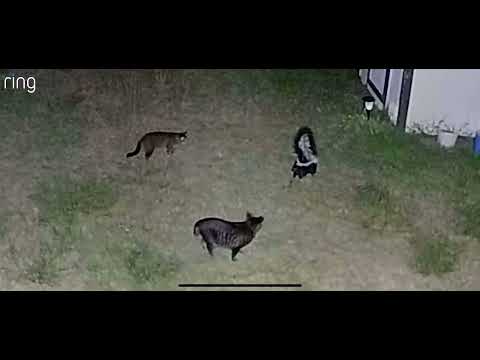
Skunks mostly steer clear of people and don’t go looking for trouble. How they act around humans really depends on whether they feel threatened.
Some skunks live near people and might even seem a little curious or relaxed if you treat them gently.
Typical Skunk Temperament Around People
Most skunks act shy and will keep their distance from you if they can help it. If they get scared or cornered, they’ll use their spray to defend themselves.
Before they spray, they’ll usually stomp their feet or raise their tails as a warning.
Skunks like being alone and come out mostly at night. They don’t go out of their way to find people or bite them.
If you spot a skunk during the day, it could be sick, so it’s better to give it space.
You can watch skunks from a safe distance, especially around dusk when they start looking for food. Just remember, they’re wild animals, and it’s best to respect them to avoid any surprises.
Domestication and Keeping Skunks as Pets
Some folks keep skunks as pets, but you have to raise them young and make sure it’s legal where you live. Pet skunks usually have their scent glands removed so they can’t spray.
They can get friendly and bond with their owners and even other pets.
Pet skunks need special care, like a good diet and regular vet visits. They’re playful and curious, but they also need exercise and things to keep their minds busy.
Even gentle pet skunks still act like skunks sometimes and can be unpredictable. Raising one takes patience and time, so it’s smart to do your homework before bringing a skunk home.
If you want to see how skunks live near people, check out Living with Skunks – U.S. Fish & Wildlife Service for some interesting info.
Understanding Skunk Behavior and Social Interactions

Skunks show clear signs when they feel threatened or safe around others. If you know these signals, you can avoid trouble and maybe even tell when a skunk feels relaxed or on edge.
They mostly stick to themselves, but sometimes interact with others during certain seasons.
Warning Signs and Defensive Behaviors
Skunks give you fair warning before they spray. You might see them stomping their front feet or lifting their tail.
That’s their way of saying, “Back off, please!”
If you stay calm and give them space, they probably won’t spray. Still, they can aim their spray up to 10 feet, so if you see those warning signs, it’s a good idea to keep your distance.
Skunks come out mostly at night and do their best to avoid humans. They only use their spray as a last resort, so paying attention to those early warnings can save you from a smelly surprise.
Bonding with Humans and Other Animals
Skunks don’t naturally warm up to humans or act especially social. But if you raise them gently from a young age, and handle them regularly, they can become pretty docile. Wild skunks? They usually keep their distance and don’t go looking for human company.
Skunks interact with each other mostly during mating season. Mothers also spend time with their kits, but that’s about it. The rest of the time, they prefer to stick to themselves.
If you want to share space with skunks, it’s best not to try touching them. Just give them room and pay attention to their habits. That way, you both avoid unnecessary stress and can actually coexist pretty peacefully.
For more on skunk behavior, check out Understanding Skunks: Everything You Need to Know.


