
When you catch that unmistakable skunk smell in your house, you probably wonder if breathing it in is actually bad for you. The truth? The odor itself isn’t toxic, but it sure can make you feel miserable. You might notice your eyes or nose stinging, or maybe you start coughing or even feel a bit queasy.
If you start feeling off, pay attention to your symptoms. Don’t just ignore them and hope for the best.

Sometimes, that skunky smell turns out to be a sign of something way more serious, like a gas leak. That’s definitely not something to brush off. You need to know the difference and act fast when something doesn’t seem right.
Let’s dig into what causes that smell and when you really need to call for help.
Is Breathing Skunk Smell in a House Harmful?
Breathing in skunk spray indoors can really bother you. Those chemicals in the spray go straight for your eyes, nose, and lungs.
You should know where the smell comes from and how it messes with your body.
Short- and Long-Term Health Effects of Skunk Odor Exposure
When you breathe in skunk odor, your eyes and nose might get red or watery. You could start coughing or feel nauseous.
Sometimes, people even vomit or get diarrhea if they breathe in a lot or accidentally swallow some spray.
If you have asthma or any breathing problems, the skunk smell can make things worse. Long-term exposure isn’t common, but if it happens, you might end up with headaches or your lungs feeling irritated for a while.
Get outside for some fresh air if you feel sick, and see a doctor if you don’t get better.
Common Causes of Skunk Smell Indoors
A few things can make your house smell like skunk. Maybe your dog got sprayed and then ran all over the place, spreading the smell everywhere.
Sometimes, a skunk sneaks close to your house or even inside and lets loose with its spray.
There’s another cause you probably wouldn’t expect—a gas leak from your heater or air conditioner. Some gas leaks smell just like skunk spray because of a chemical called methyl mercaptan.
That’s actually dangerous, so you need to act fast if you suspect a leak.
Rain can also reactivate old skunk spray outside, and the smell drifts in through open windows or cracks.
Knowing what’s causing the odor helps you figure out the right solution.
How Thiols in Skunk Spray Affect Air Quality
Skunk spray gets its power from thiols, which are sulfur-based compounds. These little guys pack a punch and make the smell travel far.
When thiols get inside, they make your air quality drop and can irritate your nose and eyes.
The tricky part? Thiols stick to walls, couches, and even your clothes. That’s why the smell hangs around for days, sometimes weeks.
You’ll need to clean and air things out to get rid of them.
If you’re actually smelling a gas leak with similar chemicals, the danger jumps way up. Get out of the house immediately if you suspect that.
How to Remove Skunk Smell Safely from Your Home

Getting rid of skunk smell isn’t fun, but you can do it. You’ll want to get fresh air moving, clean up, and use safe odor removers.
Sometimes, if the smell is everywhere, you might need extra help.
Ventilating and Cleaning the Affected Areas
First, open all your windows and doors to get the air moving. Turn on fans and point them outside to help push out the smell.
Try to do this as soon as possible after the skunk encounter for the best shot at clearing the air.
Wipe down hard surfaces with water and white vinegar or baking soda. These natural cleaners break down the skunk stink.
Wash any curtains, blankets, or clothes that picked up the smell.
Don’t forget about your HVAC filters. Skunk odor can hide there and keep coming back if you don’t clean or replace them.
Neutralizing Skunk Odor on Surfaces and Fabrics
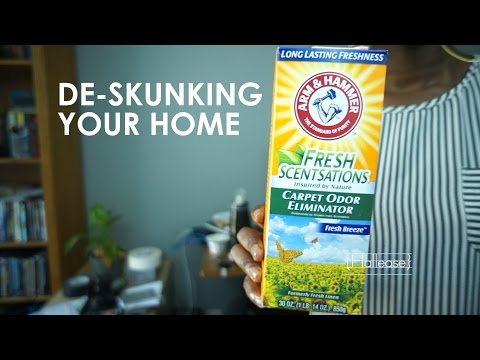
Baking soda, white vinegar, and activated charcoal work well for absorbing skunk smell from fabrics and carpets. Sprinkle baking soda on your carpet or couch, let it sit for a few hours, then vacuum it up.
Put bowls of vinegar in different rooms to help soak up the odor. Vinegar grabs onto those sulfur compounds and helps clear the air.
If the smell is really stubborn, try an air purifier with an activated carbon filter. It actually pulls the odor out of the air instead of just covering it up.
Skip the strong perfumes or sprays like Febreze. They can mix with the skunk smell and make things worse, not better.
When to Call Professionals for Skunk Encounters
If you’ve cleaned and aired things out but that skunk smell just won’t quit, it’s probably time to call in the pros. They use special equipment that digs deep into carpets and ductwork.
Is the odor super strong? Or maybe someone in your home has trouble breathing? Don’t risk it—let professionals handle the situation. They’ll use safe products, so you don’t have to worry about your family or pets.
Check out companies with solid reviews. See if they actually guarantee their work—because who wants to pay for a half-fix?
Sometimes, only professional ozone or duct fogging treatments will wipe out that stubborn smell for good.


