
Ever wondered if skunks stink when they’re killed? Honestly, yeah, most of the time they do. Skunks use their spray as a defense, so when they feel threatened or get hurt, they usually let loose that infamous, eye-watering odor.
This makes dealing with a skunk a real challenge if you’re hoping to avoid getting sprayed.

Skunks almost always spray when someone kills them, which is why lots of people try trapping and removing them without causing harm. If you have to handle a skunk, you’ll want to take steps to protect yourself from the smell.
There are a few ways to lower your chances of getting sprayed, but honestly, once a skunk feels threatened, it’s tough to avoid the odor completely.
It helps to know what you’re up against before dealing with skunks around your place. Maybe you’re thinking about trapping, relocating, or just calling in a pro—understanding how the spray works can save you a ton of hassle.
If you want more details on handling skunks safely, check out some advice on how to kill a skunk without it spraying.
Do Skunks Stink When Killed?
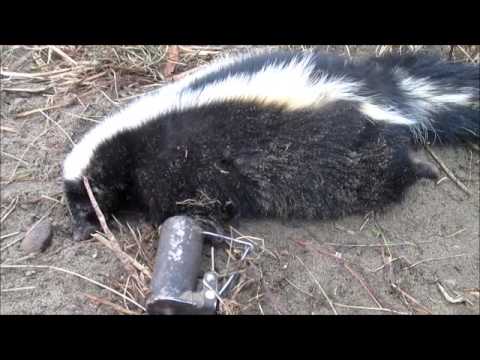
When someone kills a skunk, it can still let out that strong smell. The glands that hold the spray might react during death, or even if you move the body afterward.
The smell comes from a liquid, not a gas, and it tends to stick around if you don’t clean it up fast.
Why Skunks Release Odor at Death
Skunks have two special glands near their tail that store a foul-smelling liquid. These glands let the skunk defend itself by spraying when it feels threatened.
At the moment of death, the glands might contract or release on their own, letting the skunk smell escape.
Even if you don’t see a full spray, the odor can leak out if you handle or move the body after it dies.
That’s why dead skunks can still stink, especially if you disturb them or try moving them close to your house.
How Skunk Spray Is Triggered
Skunk spray is a yellow, oily liquid made of strong-smelling chemicals called thiols. The skunk lifts its tail and aims backward to spray.
It only sprays when it feels in danger.
Since the spray sits in those glands, any pressure—like an attack or just moving the body—can force the smell out. So if you touch or move a dead skunk, you might squeeze out the spray without warning.
Can Skunks Spray After Death?
A skunk’s spray comes from liquid in its glands, and it can’t actively spray after it dies. But the glands still release liquid if you move or press on the body.
You might smell skunk even though it can’t spray like before. That odor can hang around for two weeks to a month, sometimes even longer, depending on where the skunk died and whether it’s indoors or outside.
If you want to avoid a lingering skunk smell, handle dead skunks carefully and clean up fast. For more info, check out skunks releasing odor when they die.
Skunk Spray: Chemistry, Effects, and Removal

Skunk spray is famous for its strong, lingering odor that’s seriously tough to get rid of. You might be curious—what actually causes that smell, how long does it last, and how do you get it off?
I’ll break it down so you can deal with skunk encounters a bit more confidently.
What Makes Skunk Spray Smell So Strong
Skunk spray gets its powerful stench from chemicals called thiols. These sulfur-based compounds create that sharp, nasty smell that clings to skin, clothes, and just about anything else.
Thiols are oily liquids stored in scent glands near the skunk’s tail.
When a skunk feels threatened, it contracts muscles to shoot out the spray in a mist or a stream.
The smell stings your eyes and nose because thiols easily get into the air and hit your senses hard. That’s why skunk spray is so unforgettable and, honestly, a pain to wash off.
How Long Does Skunk Odor Last?
How long the smell sticks around depends on how much spray hits you and where it lands. On clothes or fur, the odor can last for weeks or even months if you don’t clean it right.
On hard surfaces or out in the open, the smell fades faster but can still linger for days. Sunlight and fresh air help break it down, but those thiols are stubborn.
You need to neutralize the chemicals, not just cover up the smell.
How Many Times Can a Skunk Spray?
A single skunk can spray several times, but it’s not endless. After it uses up its spray, it takes a few days to refill those scent glands.
During that time, the skunk is more vulnerable since it can’t defend itself the same way.
Usually, a skunk won’t spray more than 5 times in a row. The spray is precious, so the skunk uses it carefully to avoid running out too quickly.
Knowing this might help you if you ever cross paths with one.
Effective Ways to Remove Skunk Smell
If you want to get rid of skunk smell, you’ll need to break down the thiols. Water and regular soap? They just don’t cut it.
Most people swear by a home remedy that mixes:
- Hydrogen peroxide
- Baking soda
- Dish soap
This combo actually neutralizes the odor instead of just hiding it.
Be careful not to get this stuff in your eyes or mouth. Rinse everything really well after you use it.
Some folks prefer commercial skunk odor removers, especially for pets or clothes.
When it comes to clothing, wash them separately and pick a strong detergent. If you’re dealing with outdoor areas, you might have to clean a few times and let in as much fresh air as possible.


