
When you spot a skunk blocking your path, try to stay calm and move slowly. Don’t make sudden moves or loud noises, and let the skunk have enough space to leave on its own. Skunks usually won’t act aggressive and only spray if they feel threatened.

You definitely don’t want to get sprayed, so don’t scare or chase the skunk. Just back away quietly and give it time to move. Knowing how to handle this can save you from a smelly disaster and keep both you and the skunk safe.
Immediate Steps When a Skunk Is Blocking Your Path

If you run into a skunk, staying calm and giving it space really matters. The way you move and react can help you avoid getting sprayed.
Pay attention to the skunk’s body language, and keep your pets and kids safe.
Stay Calm and Avoid Sudden Movements
When you see a skunk, try your best not to panic. Skunks spray only if they get scared or feel cornered.
If you move suddenly or make loud noises, you’ll probably startle the skunk and risk getting sprayed.
Take slow, gentle steps and try to breathe normally. Don’t wave your arms or turn quickly.
If you stay calm and still, the skunk might just wander off on its own.
Keep a Safe Distance and Allow an Escape Route
Always keep a safe distance—about 10 feet if you can. Skunks can spray that far, and trust me, it’s not easy to get rid of the smell.
Let the skunk have a clear way out. Don’t corner it or block its escape.
If you block its path, the skunk will feel trapped and might spray to protect itself.
Step back slowly while facing the skunk, and give it space to move. Don’t turn your back or run, since quick moves could startle it.
Identify Signs a Skunk Is Ready to Spray
Skunks usually warn you before they spray. Look for these signs:
- Tail goes up: If the skunk lifts its tail straight up, that’s a big warning.
- Stomping: The skunk might stomp its feet to tell you it’s upset.
- Hissing or growling: These noises mean you should back off.
- Backing up slowly: If it moves backward but keeps watching you, it’s probably getting ready to spray.
If you notice any of these, stay still and back away slowly. Don’t make any fast moves, or you might get sprayed.
Manage Pets and Children During Encounters
If you’ve got pets or kids with you, keep them close and calm. Dogs especially might bark or chase, which makes things worse.
Use a leash for your dog and hold your child’s hand. Tell them to stay quiet and move slowly.
If your pet does get sprayed, don’t touch their face or fur with your bare hands. Clean them with a proper mix as soon as you can to get rid of the smell.
Keeping control of your group helps avoid surprises and lowers the chance of a spray.
Effective Strategies for Safely Repelling and Removing Skunks
If you want to keep skunks away, you’ll need to make your yard less interesting to them and use tools that scare them off without hurting them. Focus on cutting off their food, using things that surprise them, and knowing when to call for help.
These steps make it easier to handle skunks without a fuss.
Use Motion-Activated Sprinklers and Lights
Skunks really don’t like bright lights or sudden sprays of water. Try setting up motion-activated sprinklers where you’ve seen skunks hanging around.
Put these sprinklers near decks, sheds, or garden beds—those spots usually attract skunks.
You can also use motion-activated lights to keep skunks away at night. Since skunks prefer the dark, a sudden bright light will make them uncomfortable.
Big floodlights that turn on with movement work best here.
These devices don’t hurt skunks, but they’ll encourage them to go somewhere else. Check your setup every so often to make sure it’s still working.
Apply Skunk Repellents and Natural Deterrents
You can spray commercial skunk repellents around your yard’s edges to keep skunks away. Most are safe for kids and pets, but always read the label and follow the directions.
Natural options work too. Soak rags in ammonia and put them near places where skunks might get in. The strong smell usually drives them off.
Change out the rags every day since ammonia fades fast.
Some people use citrus peels or pepper spray around the yard. While they’re not as strong as store-bought repellents, they can add a bit of extra protection without harsh chemicals.
Remove Food Sources and Shelter Opportunities
Skunks show up for food like pet food, trash, bird seed, and grubs in your lawn. Keep your trash in bins with tight lids and don’t leave pet food out overnight.
Clean up fallen bird seed and nuts every day, or just take down bird feeders while you’re dealing with skunks.
Skunks dig for grubs, so if you water your lawn less for a few weeks, the soil dries out and they’ll have less to eat.
They also love hiding under decks, porches, or wood piles. Block these spots off with chicken wire or wood.
Before you seal up any spaces, check for skunk activity. Put some loose dirt at the entrance and see if it gets disturbed after a couple of days.
When to Contact Wildlife Control or Try a Skunk Trap
If skunks keep showing up no matter what you do, it’s probably time to reach out to wildlife control. These folks know how to trap and move skunks safely, and they actually have the right gear for the job.
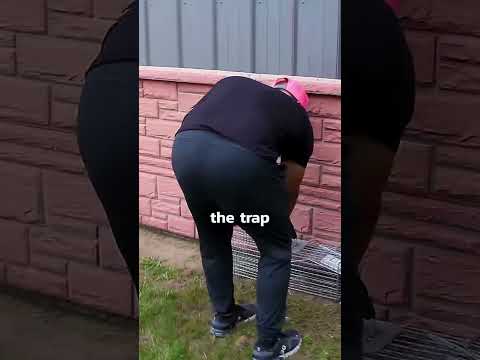
Prefer to handle it yourself? You can set a skunk trap with peanut butter or even canned corn as bait. Just make sure you check the trap every day—nobody wants a stressed-out skunk.
Wear gloves and thick clothes when you deal with the trap. Take the skunk far away from your place before letting it go.
Definitely check your local laws before you try trapping skunks, since some areas have pretty strict rules about moving wildlife. If you’re unsure, a professional can point you in the right direction.


