
If you’re out walking and spot a coyote, it can feel a little unnerving—especially if you’re not sure what to do. Still, walking around coyotes is generally safe when you stick to some simple precautions.
Coyotes are wild, but they usually steer clear of people. If you know how to stay calm and act confidently, you’ll feel a lot safer if you bump into one on your walk.

Coyotes show up in parks, neighborhoods, and even busy cities. They’re just part of the natural world we all share, and honestly, they play a big role in the ecosystem.
If you can spot their behavior and know how to respond, you’ll have a much easier time coexisting with these wild neighbors.
Is It Safe to Walk Around Coyotes?
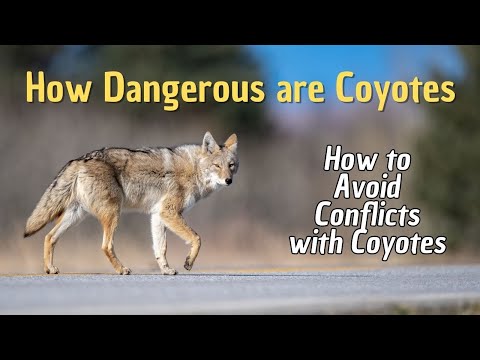
You can walk near coyotes safely if you pay attention to their habits and stay aware of your surroundings.
If you know how coyotes act—especially as the seasons change—you’ll be able to avoid most trouble. It helps to give them space and act in ways that don’t make them feel threatened or too curious.
Understanding Coyote Behavior
Coyotes, for the most part, shy away from people. But sometimes, depending on the situation, they might act differently.
If a coyote feels trapped or wants to protect its den, it might stand its ground or seem more aggressive.
You’ll most likely see coyotes out looking for food at dawn or dusk. Those are their busy times.
They almost never attack people, but small pets can look like prey to them. Never feed coyotes or leave pet food outside—those things just invite trouble.
If you spot a coyote, stay calm and don’t run. Running could make them want to chase you, which nobody wants.
Typical Coyote Reactions to Humans
When you run into a coyote, it might just watch you or slowly walk away. Sometimes, coyotes “escort” people out of their territory by keeping an eye on them and following at a distance.
Don’t turn your back or run, since that can encourage them to follow you.
If one comes closer, wave your arms or hold something over your head to look bigger. Yell, clap, or use a noise maker if you have one.
Keep your pets close and on a leash—coyotes might see them as an easy target.
Seasonal Activity and Urban Encounters
Coyotes get more protective when they’re raising pups, usually in spring and early summer. You might notice more coyote activity in parks and neighborhoods during those months.
In fall, they’re also more active because of mating and hunting.
Cities and suburbs attract coyotes with easy food sources—think trash cans and fallen fruit. If you secure your garbage and clean up fruit, you’re less likely to attract them.
It’s pretty normal to spot a coyote in your yard or on a trail, but you can avoid problems by keeping pets inside at night and using noise if one gets too close.
For more details, check out the Humane Society’s coyote advice and ACTIVE’s coyote safety guide.
How to Respond If You Encounter a Coyote

If you run into a coyote, what you do next really matters. Spotting the animal, using the right body language, and looking out for your group can make a big difference.
Try to stay calm and confident. Coyotes notice when people panic.
Identify a Coyote vs. Other Animals
People often mix up coyotes and dogs, but there are a few easy ways to tell them apart. Coyotes have bushy tails that hang down when they run, while dogs usually hold their tails up.
Coyotes also have skinny, pointed muzzles and upright ears. Dogs’ faces are rounder, and their ears can flop.
Coyotes look thinner and almost catlike compared to most dogs. If you see a wild animal with these features, especially in a place where coyotes live, it’s probably a coyote.
Spotting the difference helps you know what to do next.
What to Do If You See a Coyote
If a coyote crosses your path, don’t panic or take off running. Running just makes you look like prey.
Stand up straight and try to look bigger—raise your arms or open your jacket.
Make some noise! Yell, clap, or bang something together to scare it off.
If you need to, toss small objects near (not at) the coyote to encourage it to leave. Back away slowly, keeping your eyes on the animal.
Don’t turn your back or crouch down. You want to show the coyote you’re not an easy target.
Maintain Eye Contact and Body Language
Looking a coyote in the eye tells it you’re paying attention and not afraid. Coyotes pick up on nervousness or hesitation.
Stand tall and keep your posture firm. If the coyote gets closer, take a few small steps toward it and keep making noise.
That lets the animal know you’re in charge. Try not to look away or crouch, since that can invite the coyote to come closer.
Protecting Yourself, Children, and Pets
Stick close to your kids and pets, especially around dawn and dusk—coyotes tend to get bolder at those times.
If you’re out walking your dog, keep the leash short. Letting them wander just isn’t worth the risk.
Small pets like cats or tiny dogs? Never leave them outside alone.
Put up sturdy fencing around your yard to keep coyotes from sneaking in.
Don’t leave out food, garbage, or fallen fruit—those things attract unwanted visitors.
If you’ve got livestock, consider getting a guard animal, like a llama or a donkey. They’re surprisingly effective.
Whenever you’re in areas where coyotes show up, keep a close eye on your kids and pets.


