
Thinking about having a chimpanzee as a pet? It might sound exciting at first. Chimps are smart, playful, and sometimes act a little like tiny people.
But let’s be real—owning a chimp is nothing like having a dog or a cat. Honestly, keeping a chimpanzee as a pet isn’t safe for you or the animal.

Chimps grow way stronger than humans and can turn aggressive, especially as they get older. They need complicated social lives and special care that most folks just can’t give at home.
A lot of places don’t even let people keep chimpanzees privately because of the risks.
If you’re curious about why chimps don’t make good pets—and what that means for both them and you—stick around. It’s really important to have the facts before making any decisions about these wild animals.
Is It Safe to Have a Chimpanzee as a Pet?
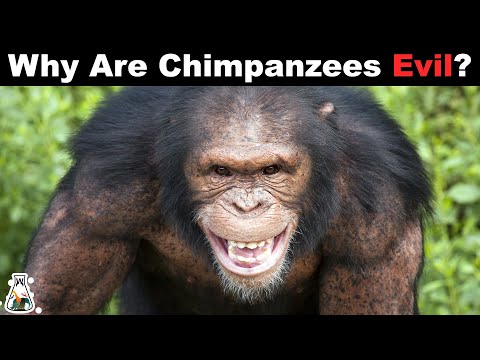
Keeping a chimpanzee as a pet brings on some serious challenges. Chimps get incredibly strong, act unpredictably, and can pass dangerous diseases to humans.
These problems make it risky for you and for the animal.
Risks of Keeping Chimpanzees in the Home
Chimpanzees are about four times as strong as humans. Even if they’re just playing, things can go wrong fast.
Most homes just can’t handle animals that powerful.
Chimps need a lot of space and special equipment. Without the right setup, they get stressed or hurt.
A lot of pet chimps end up locked alone in tiny cages, and that’s terrible for their health.
It’s illegal to keep a chimp as a pet in many states. Where it’s allowed, you usually need special permits and have to follow strict rules.
People who ignore the law often get into legal trouble.
Chimpanzee Behavior and Aggression
Chimps are wild animals, and their instincts don’t just vanish because they grew up around people. As they get older, they usually get more aggressive and harder to handle.
They need to be around other chimps to learn how to act normally. Without that, they start picking up odd habits like rocking or pulling out their hair.
Their aggression can come out of nowhere. There have been cases where pet chimps attacked their owners or visitors, leaving people badly hurt.
You just can’t expect a chimp to act like a dog or a cat.
Disease Transmission and Health Concerns
Chimps share a lot of diseases with humans since we’re so closely related. Some of these, like Ebola, can be really serious or even deadly.
Living with a chimp puts you at risk for diseases that can jump from apes to people.
They also need vets who know how to treat primates, and most pet owners don’t have access to that kind of care.
If you can’t meet their health needs, both you and the chimp could end up seriously ill.
That risk alone should make anyone think twice about keeping a chimp as a pet.
If you want more details, check out why keeping chimpanzees as pets is unsafe.
Legal, Ethical, and Welfare Issues

Owning a chimpanzee isn’t just about feeding and housing them. You have to know the laws, understand how chimps live best, and think about the impact of the pet trade.
Caring for a captive chimp is nothing like looking after a regular pet.
Laws and Regulations About Pet Chimpanzees
Rules about keeping chimpanzees as pets depend a lot on where you live. Some states ban them outright, while others allow them only if you get special permits.
These laws exist to protect both people and chimps.
The federal Endangered Species Act gives chimps some protection. There’s no total federal ban on private ownership yet, but proposals like the Captive Primate Safety Act aim to limit people from keeping chimps as pets.
You really need to check your state and local laws closely. If you don’t have the right permits or safety measures, you could get into serious legal trouble.
Some places also require special enclosures and professional care.
Ethical Considerations and Animal Welfare
Chimps are wild animals meant to live in groups out in nature. Keeping one alone in a house can make them stressed, depressed, and sick.
No matter how much you try, you can’t give them the same social life they’d have with other chimps.
Even if you raise a chimp from a baby, their wild instincts stick around. Adult chimps stay strong and can act aggressively, which makes them dangerous.
Honestly, it’s nearly impossible to give a chimp what they truly need. They need mental challenges, lots of space, and friends—things most homes just can’t provide.
That often leads to poor health and suffering for the chimp.
The Pet Trade and Its Impact
The pet trade usually takes baby chimps away from their mothers way too early. This hurts both the mother and the baby.
A lot of chimps bought as pets don’t get proper care. Some end up abandoned or sent to roadside zoos with terrible conditions.
Sanctuaries like Chimp Haven do their best to help, but they can’t take in every rescued chimp.
Supporting the pet trade just makes things worse for wild chimpanzee populations. It’s a big problem that goes far beyond just one household.
Challenges of Caring for Captive Chimpanzees
Caring for a captive chimp is honestly exhausting. You have to provide plenty of space, special food, and keep them mentally engaged all the time.
Their strength and unpredictable moods mean you need to set up secure, roomy enclosures. It’s not something you can improvise.
If chimps don’t get proper social time with their own kind, they might start harmful habits like rocking or pulling out their hair. You’ll also need a vet who actually knows how to treat nonhuman primates—which, let’s face it, isn’t easy to find.
The yearly cost to care for just one chimp can hit $25,000, and that doesn’t even cover building a safe habitat or medical care. Most people aren’t ready for this kind of responsibility.
Want more details? Check out the info on legal and welfare challenges of pet chimpanzees.


