
So, you’re thinking about adding a beehive to your garden? You’re definitely not alone. Lots of folks want to help bees—they’re kind of a big deal for plants and flowers.
Still, it’s totally normal to wonder if having a beehive near your home is actually safe.
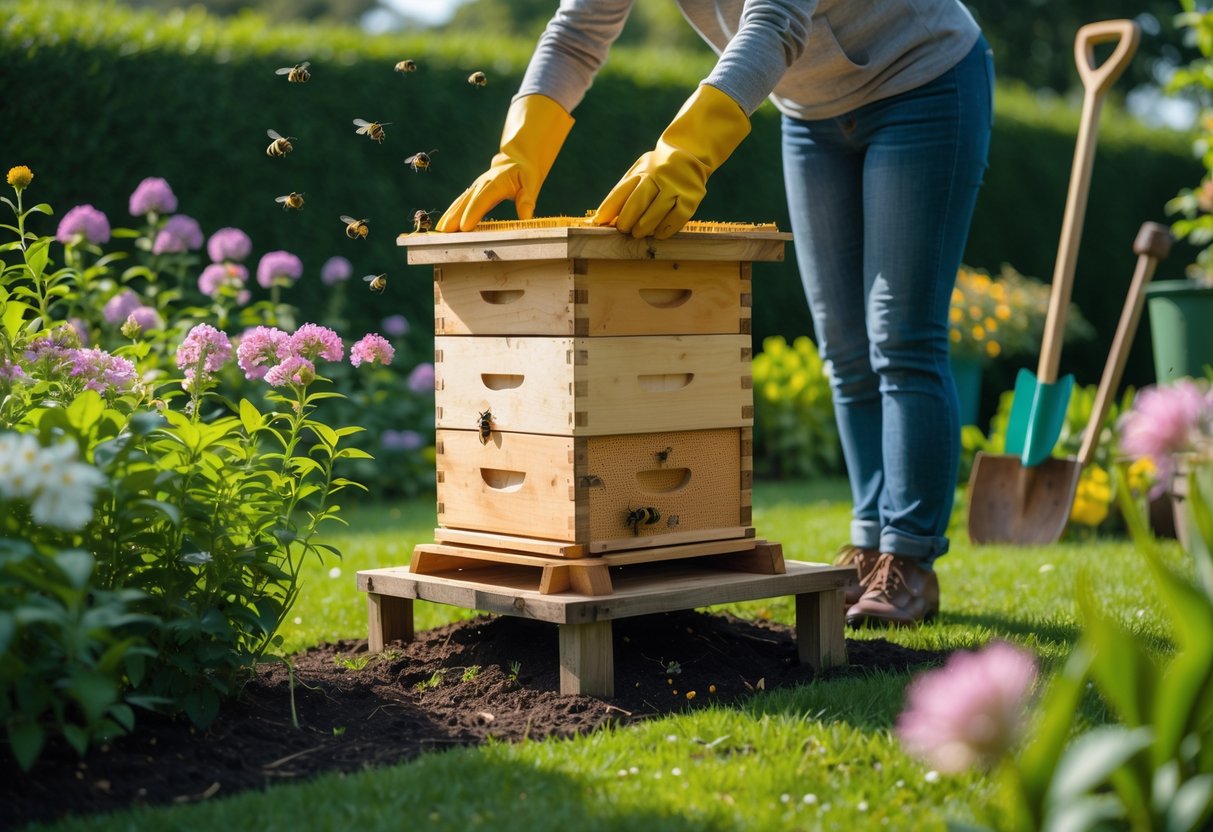
Here’s the good news: keeping a beehive in your garden is usually safe, as long as you follow a few basic tips and treat the bees with respect. Most bees won’t bother you unless you mess with them, so learning how to look after them keeps things safe for you and your neighbors.
Think about where you’ll put the hive, and don’t forget to check local rules about keeping bees. Doing a bit of homework can make backyard beekeeping more fun and safer for everyone.
If you want to dig deeper, you can check out more advice on keeping a beehive in your garden.
Key Considerations for Beehive Safety in Your Garden
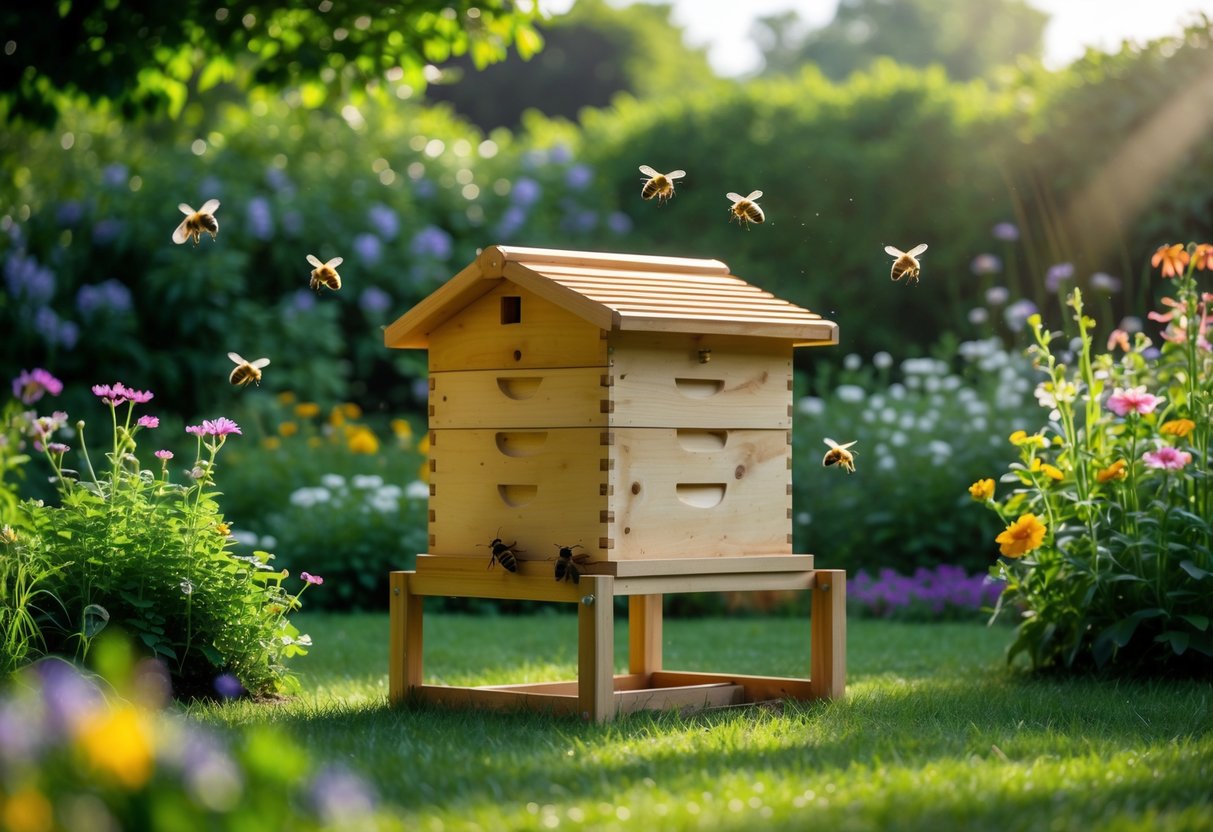
When you set up a beehive, you really need to pay attention to how bees act, the local laws, and where that hive’s going to sit. Also, keep your neighbors in mind and try to handle any worries they might have.
Understanding Bee Behavior and Risks
Bees usually keep to themselves and ignore people unless you disturb them. They’re busy grabbing nectar and pollen, so you’re not really on their radar.
But bees can sting if they feel threatened or if someone suddenly messes with their hive.
You should learn how bees behave, especially when you’re inspecting the hive. Try to do your work on calm days and wear protective gear—makes a big difference.
Skip strong perfumes or scented soaps when working with bees since those smells can irritate them.
Certain pesticides can hurt bees, so stick to bee-friendly gardening if you want your hive to thrive and lower risks.
Legal Requirements and Local Regulations
Before you put up a beehive, check your local laws about beekeeping. Many areas have rules about where hives can go—like how far they need to be from neighbors, sidewalks, or buildings.
Some places make you register your hive or follow limits on how many you can keep. These rules help avoid problems and keep everyone safe.
Staying within the legal limits saves you headaches from fines or complaints. Try to keep up with any changes, just in case.
Choosing the Ideal Hive Location
Pick a quiet spot with not much foot traffic and away from places where kids play. That way, you lower the chances of anyone accidentally bumping into the bees.
Let the hive face the morning sun so the bees warm up and get moving early. Find a spot with some wind protection—fences or trees work well.
Make sure the bees have easy access to clean water nearby. Don’t put the hive near spots sprayed with pesticides or where pets hang out a lot.
Managing Neighbor Concerns
Talk to your neighbors before you start your beekeeping adventure. Let them know about the benefits and how you’ll keep things safe and under control.
You can set up barriers or plant hedges between your hive and their yards. These help guide bees upward and away from people.
Offer to show your neighbors your setup and how you handle the bees. Being open goes a long way toward building trust and easing worries.
Creating a Bee-Friendly and Healthy Garden Environment

If you want a safe, thriving beehive, focus on plants that help pollinators, keep pests and diseases in check, and pick the right beekeeping gear. Each of these steps helps your garden stay healthy and lets your bees do their thing.
Planting for Pollinators
Pick plants that bees love—think lavender, sunflowers, and wildflowers. These offer lots of nectar and pollen, which bees really need.
Herbs like rosemary, thyme, and mint are also winners because they bloom at different times, giving bees food all season.
Go for native flowers when you can, since local bees know them best. Plant in clusters so bees can find food easily.
Skip pesticides and chemicals that could harm your bees or mess up your garden’s balance.
Set out shallow water dishes with rocks so bees can drink safely. Little touches like this make your yard more welcoming and help pollination.
Disease and Pest Prevention Strategies
Bees can run into trouble from pests like varroa mites and diseases such as American foulbrood. Check your hive regularly to spot problems early.
Keep things tidy—clean out old or damaged frames to help stop disease from spreading.
If you find varroa mites, use treatments that beekeeping experts recommend so you don’t hurt your bees. Some people swap out hive parts or use screened bottom boards to keep mite numbers down naturally.
Good hive management means isolating any new hives or small colonies before adding them to your main group. That way, you lower the risk of spreading pests or infections.
Selecting the Right Beehive and Equipment
Picking the right hive really matters for your bees’ health—and honestly, for your own sanity too. Most folks go with the Langstroth hive since you can just slide out the frames, check on things, and harvest honey without much fuss.
Get your hands on solid beekeeping gear like a smoker, some protective clothing, and a decent hive tool. Trust me, buying from a reputable beekeeping equipment wholesaler makes a difference. Good equipment keeps you safe and lets you handle your bees without causing chaos in the hive.
Set up your hive somewhere that gets plenty of sunlight, but isn’t getting battered by strong winds. Inside the hive, make sure there’s enough nesting space—your bees will thank you, and it’ll make your beekeeping life a whole lot smoother.


