
You might spot a giraffe on safari or at the zoo and start to wonder—will it come closer, or just keep its distance? Giraffes usually stay pretty calm and prefer to avoid people, but if you startle or threaten one, things can get dangerous fast. That’s a good thing to keep in mind if you want to enjoy watching these gentle giants without any trouble.

Let’s talk about why giraffes in captivity often act friendlier, how wild giraffes react to humans, and what it means when they start kicking or “necking.” I’ll share some tips for safe encounters and what you might see if you get close to one.
Are Giraffes Friendly to Humans?
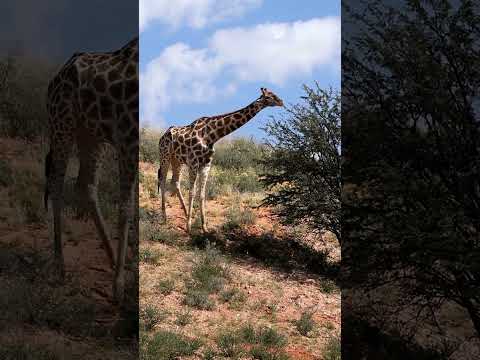
Giraffes can seem calm, sometimes even curious, but honestly, how they react depends a lot on where you meet them and what you do. It’s helpful to notice when they’re relaxed, when they feel threatened, and how to read their body language.
Wild Giraffes vs Captive Giraffes
Wild giraffes tend to avoid people. If you stay in your vehicle or keep your distance on foot, they’ll usually just watch you from afar, then wander off.
You shouldn’t approach a wild giraffe, try to feed it, or block its path. In the wild, what looks like friendliness is mostly just caution and curiosity—not trust.
Captive giraffes at zoos or feeding platforms get used to people. You might get the chance to feed them or stand nearby, but only when staff supervise.
They become familiar with people through repeated safe contact, training, and food rewards. Still, you need to follow the rules and listen to staff.
Even a captive giraffe can react if it gets startled or feels crowded.
When Giraffes Become Aggressive
Giraffes don’t attack for no reason. If a giraffe feels trapped, cornered, or needs to protect its young, you could see aggression.
The most dangerous move? A forward kick. That can seriously injure a predator—or a person.
Male giraffes sometimes fight by swinging their necks in a behavior called “necking.” You definitely don’t want to get between two fighting giraffes.
Watch for signs of aggression like rapid pacing, stiff legs, or a raised head with ears pinned back. If you notice those, back away slowly and give the giraffe space to leave.
Never run toward a giraffe or try to touch it when it’s tense. That’s just asking for trouble.
Giraffe Behavior and Body Language
You can learn a lot by watching how giraffes move. A relaxed giraffe grazes with a loose neck, soft eyes, and chews slowly.
Sometimes, they hum at night or stand near others in a loose group, which people call a tower. That’s a sign of social comfort, not really interest in people.
If a giraffe feels alert or stressed, it’ll hold its neck high, ears forward, and keep a close eye on whatever it sees as a threat.
Quick staring, angled shoulders, or sudden head tosses mean it’s uneasy. If it lowers its head and shifts weight to the back legs, you should back away—it might kick.
By paying attention to these cues, you can keep yourself safe and respect their space.
How Giraffes Interact with Humans and Their Environment

Giraffes usually stay calm around people when they feel safe. They browse high trees, hang out in loose groups, and react fast if something startles them.
Giraffes in Wildlife Sanctuaries and Zoos
In sanctuaries and good zoos, you can see Masai giraffes and reticulated giraffes up close, but only under controlled conditions.
Staff train giraffes with protected contact, so you’ll watch from behind barriers while keepers use feeding stations and target training to move the animals safely.
This setup keeps stress low for the giraffes and lowers the risk for you.
Facilities feed giraffes a mix of browse, pellets, and seasonal veggies, trying to match what they’d eat in the wild. Vets check their weight, hooves, and necks regularly.
If you visit, just follow the posted rules: stay behind barriers, don’t touch unless staff say it’s okay, and avoid sudden moves that might spook them.
Feeding Giraffes and Safety Tips
A lot of wildlife parks let you feed giraffes by hand or from raised platforms. Only use the approved food—usually browse or special pellets—to avoid digestive issues.
Hold your hand flat, and don’t grab or dangle food. Giraffes have long tongues and pretty big heads, so a steady hand helps avoid any accidental bumps.
Stand where staff tell you and pay attention if they warn you about males during “necking” season, when males spar for mates.
Never feed a giraffe if it seems agitated—raised tail, quick movements, or stiff posture are all warning signs.
If a keeper is there, just follow their instructions exactly. These rules keep everyone—people and giraffes—safe.
Where to See Giraffes
You’ll find giraffes in African reserves, national parks, and honestly, a surprising number of zoos around the world.
In East Africa, the Masai giraffe wanders Kenya’s Amboseli and Tsavo regions.
Northern Kenya and a few private reserves are home to the reticulated giraffe.
South Africa and Botswana? They’ve got mixed populations in private game reserves, and you might get lucky with a guided drive that gets you pretty close.
Across the U.S. and Europe, accredited zoos usually join conservation efforts and sometimes even offer public giraffe feedings.
It’s worth checking park websites for details like feeding times, guided talks, or whether they’re running captive breeding programs.
If you want a tour or a feeding experience, book ahead—lots of places keep visitor numbers low for the giraffes’ sake.


