
You might think a gentle giraffe would love a pat, but honestly, most of them don’t. Giraffes have evolved to stay alert and keep their distance—touching feels threatening or just plain odd to them. Their skin and whiskers? Way more sensitive than you’d expect.
Usually, they’d rather you offer food or just watch from a safe distance instead of reaching out to touch.

Ever wonder why that matters? This post digs into giraffe behavior, social bonds, and what keeps them feeling safe. You’ll get a look at what counts as friendly contact, the differences between wild and captive giraffes, and tips for keeping both you and the animal calm.
Giraffe Behavior Around Touch and Human Interaction
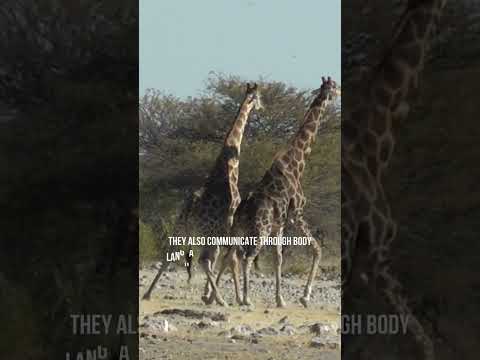
Giraffes usually stay calm, but they really value their space. They give off subtle signals to show if they’re comfortable or uneasy.
Touch often startles them. Wild and captive giraffes react differently, and their body language can tell you a lot.
Do Giraffes Like to Be Touched?
Most wild giraffes don’t like being touched. If you spot one in the wild, you should assume it wants space.
Touch can feel threatening. Their skin and coat are sensitive, and when people get close, giraffes might bolt or even kick.
In parks and reserves, some giraffes might accept a quick touch from keepers they know well. These moments happen under routine, calm care.
If you meet a giraffe at a tourist spot, stick to the rules. Don’t make sudden moves or reach out unless staff say it’s okay.
Wild Giraffes vs. Captive Giraffes
Wild giraffes keep their distance to avoid predators and people. You’ll see them watching from afar and slowly moving away as you approach.
They’ve learned to avoid close contact because people have meant danger in the past—hunting, habitat loss, all that.
Captive giraffes can get more used to touch over time. You might see them allow gentle strokes during feeding or checkups.
That tolerance comes from repeated, calm interactions with keepers, not because they’re naturally cuddly. Even then, you should respect their boundaries and do what the staff says.
Are Giraffes Friendly to Humans?
Giraffes look gentle, so it’s easy to think they’re friendly. But calm behavior doesn’t always mean friendliness.
Their quiet nature helps them stay safe, but it also makes them seem approachable. Some giraffes in protected areas tolerate people because they’ve learned the routine.
You might see them feeding near visitors. Still, they’re wild animals—they can kick hard and react fast.
Keep your distance unless a trained keeper says it’s safe to get closer.
Giraffe Body Language and Reactions to Touch
Giraffes use small signals to show how they feel. Look for a relaxed neck, slow chewing, and steady ears if they’re calm.
If a giraffe stiffens, turns its head away, or lifts its tail, it’s probably uncomfortable. Startled giraffes might step back, swing their neck, or kick.
Mothers with calves get especially defensive. If you notice tension, back away slowly and give them space.
For more details about giraffe tolerance and human interaction, check out guides from wildlife groups like Save Giraffes Now (https://savegiraffesnow.org/are-giraffes-friendly/).
Social Lives and Natural Affection in Giraffes

Giraffes form quiet bonds and stick to loose groups. They use small gestures way more than long, drawn-out touches.
You’ll see mothers grooming calves, males sparring, and giraffes staying close while munching on acacia leaves.
How Do Giraffes Show Affection?
Giraffes show care through short, gentle actions. A mother licks and nuzzles her calf right after birth to clean it and build their bond.
You might spot a female resting her head near a calf’s neck or rubbing cheeks with a companion she trusts. They use closeness as a sign of trust.
When two giraffes feed side by side on the same tree, it usually means they’re comfortable with each other. Social ties can last for years, especially among related females.
Touch in Giraffe Communication
Touch is quick and has a purpose. You might see grooming with the tongue, a light rub with the muzzle, or a quick head rest.
These touches reassure, help remove ticks, and confirm social bonds. Giraffes rely more on posture, scent, and those odd low-frequency sounds than on long petting.
For example, necking between males is about dominance and mating—not affection. So, if you’re hoping for pet-like contact, giraffes just aren’t that kind of animal.
Protective Instincts and Interaction Boundaries
Giraffes draw pretty clear lines when it comes to physical contact, especially to keep their calves safe and avoid getting hurt. If a mother senses any threat, she’ll just move away, stomp, or even kick—sometimes with surprising force.
Don’t let their calm look fool you. That doesn’t mean a giraffe wants you to reach out and touch it.
In parks or reserves, you might notice some giraffes hanging around people a bit more. They often link humans with food or safety, but honestly, that’s not the same as affection.
Try touching a reticulated giraffe—or any wild giraffe, for that matter—and you could stress the animal or get yourself hurt. The best way to protect giraffes? Give them space and let them munch on acacia leaves in peace.


