
Ever noticed a giraffe’s tongue and wondered why it looks so dark blue? Here’s the quick answer: concentrated melanin and lots of sun exposure protect the tongue from sunburn and damage while giraffes munch on thorny trees. That wild color isn’t just a weird quirk—it’s a legit survival tool.

Let’s dig into how the color, length, and toughness of the tongue all work together. Giraffes grab leaves way up in the trees without getting hurt, and their mouths are like built-in gadgets for eating branches most animals wouldn’t touch.
Biology and behavior totally line up here. The tongue’s look, what keeps it safe from thorns and sun, and how these features help giraffes survive—there’s a lot going on.
The Unique Color of Giraffe Tongues
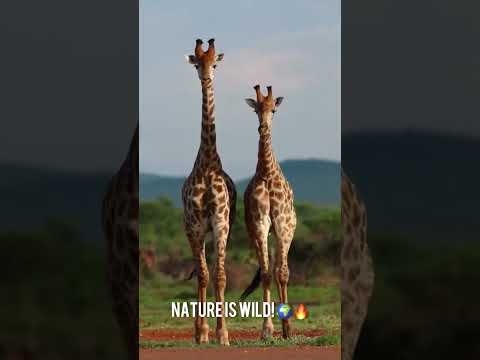
Giraffe tongues show off a dark bluish to purplish-black color, which helps them feed safely and stay healthy. Pigment, sun, and even some individual quirks all play a part in that wild color.
The Role of Melanin in Blue Tongues
Melanin is the main pigment that makes a giraffe’s tongue dark. When there’s more melanin in the tongue’s skin, you get that blue, purple, or nearly black look.
This pigment absorbs and blocks a ton more ultraviolet light than pink tissue, so it cuts down on sun damage when the tongue sticks out for ages.
Melanin helps hide little scars and wear from grabbing thorny acacia leaves. The tongue’s surface feels thick and has tough, grooved tissue.
That tissue, plus the melanin, protects the muscle and blood vessels underneath. You can see this in action when a giraffe wraps its tongue around a branch.
How Sun Exposure Drives Tongue Color
Giraffes eat for hours every day, with their tongues out in blazing, equatorial sunlight. Constant UV exposure means tongues with more melanin take less damage.
Over time, darker tongues probably became more common in giraffes living in open, sunny places.
The tip of the tongue usually looks darkest since it faces the sun the most, while the base near the mouth stays a bit lighter. If you watch a giraffe eating, you’ll notice the exposed part gets the worst of the sun and abrasion, so it ends up thicker and darker.
Variations in Tongue Color Among Giraffes
Not all giraffe tongues look identical. You’ll spot shade differences between individuals, even between different species or subspecies.
Some tongues are almost blue-black, while others lean more purple or dark gray. Young giraffes often have lighter tongues that darken as they age and soak up more sun.
Local habitat changes things, too. Giraffes in dense woodlands might get less direct sun on their tongues than those out on the open savannah, so their tongues might not be as dark.
Health and genetics matter—melanin production depends on individual genes and overall condition, which explains the variety you might see out there.
Adaptations and Functions of Giraffe Tongues
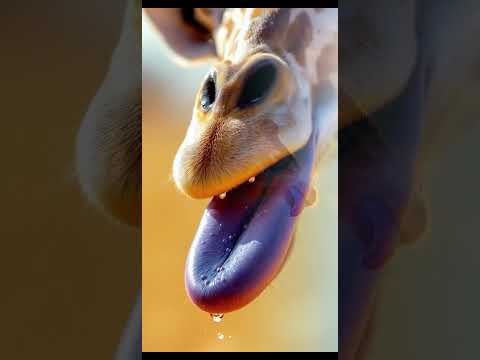
Giraffe tongues multitask like pros: reaching high leaves, dodging sharp thorns, and protecting the mouth from sun and cuts. Let’s see how length, grip, saliva, and even changes in young giraffes turn their tongues into survival tools.
How Long Are Giraffe Tongues?
A giraffe’s tongue is usually about 40–50 cm (16–20 inches) long. That gives them the reach to snag leaves at the very tips of branches—places most animals can’t even dream of reaching.
The tongue’s length lets giraffes wrap it around twigs and pull leaves right in. Since it’s so long, the tip sometimes stays shaded inside the mouth, while the rest faces the sun.
Length can change with age and sex, so some adults might have slightly longer tongues. The long tongue, flexible lips, and that crazy-long neck all work together so giraffes can eat from tall trees without breaking anything.
Prehensile Tongue for Feeding
The giraffe tongue acts like a hand—it’s prehensile and super flexible. Giraffes wrap it around single leaves or grab bunches and strip foliage from thorny branches.
Tiny, rough papillae on the tongue add grip. These little bumps help hold onto slippery leaves and guide them back into the mouth.
Giraffes eat for hours every day, so having a tongue with this much dexterity really pays off. The tongue slips past thorns and pulls leaves in with just the right amount of force, working with strong lips and precise jaw movements.
Thick Saliva and Tongue Protection
Giraffe saliva is thick and sticky, and it helps in a couple of big ways. It coats the tongue and the leaves, softening thorn tips and lowering the chance of getting cut inside.
The saliva also acts as a barrier when the tongue brushes against sharp acacia thorns. That protective coating, plus the tough tongue surface, keeps infection risk low from any small wounds.
The tongue’s dark pigment—extra melanin—cuts down on sun damage during those long feeding sessions. All these features together let giraffes spend hours browsing under the hot African sun without much trouble.
Special Features in Baby Giraffes
Baby giraffes start off with shorter tongues than adults. You’ll usually spot them feeding lower in bushes or nibbling on tender shoots.
Their tongues grow fast in those first few months, keeping up with their bodies as they shoot up in height.
Young giraffes can grab things with their tongues, but they’re not very precise at first. Sometimes you’ll see them fumble with leaves or struggle a bit to avoid thorns.
At birth, their saliva and tongue skin feel thinner and a bit more delicate. Calves often feed more cautiously and stick close to their mothers, watching how she picks out the safest branches.
As they grow, their tongues get stronger and tougher. That’s when you notice their feeding skills start to look a lot more like the adults’.


