
You might picture giraffes always covered in spots, right? Turns out, a few rare individuals have thrown everyone for a loop—scientists and the public alike. Yes, people have actually documented spotless giraffes, including a calf at a Tennessee zoo and a wild Angolan giraffe in Namibia. They’re extremely rare, but they’re real.

Let’s dig into how folks discovered these unique animals and what that means for science, genetics, and conservation. There are some pretty fascinating facts about the famous cases, how biologists explain the missing spots, and why these discoveries matter when it comes to protecting giraffes.
Spotless Giraffes: Rare Discoveries and Famous Individuals
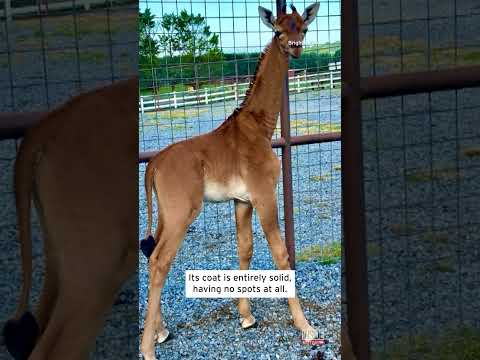
These giraffes don’t have the usual patchwork coats. People have only recorded a handful of cases like this.
Let’s take a look at what causes the spotless look, the Tennessee zoo calf, the wild giraffe from Namibia, and an older zoo record.
What Is a Spotless Giraffe?
A spotless giraffe has a solid coat color instead of the classic patches and lighter lines. A genetic change during early development can disrupt the usual pattern.
Scientists believe this change usually just affects the spots. Most spotless giraffes seem healthy otherwise.
This isn’t the same thing as albinism or leucism, where animals lose pigment everywhere and may have pale eyes or skin.
Spotlessness might make camouflage tougher and could even affect how giraffes manage their body heat, since patches connect to blood vessel patterns. In zoos, those issues don’t matter as much because staff provide shelter and medical care.
Kipekee at Brights Zoo
Kipekee, a spotless calf, was born at Brights Zoo in Tennessee back in 2023. The zoo and outside experts checked her for any health problems linked to her unusual coat.
Zoo staff said she looked healthy from the start and got regular veterinary care. Kipekee grabbed attention worldwide because spotless giraffes are just that rare.
The zoo worked with giraffe specialists and the University of Tennessee if vets needed extra help. Public updates said her coat mutation didn’t seem to cause any obvious health problems at that point.
Spotless Giraffes in the Wild
Maybe you caught the news about a spotless giraffe found at Mount Etjo Safari Lodge in Namibia. That animal is the first widely reported wild spotless Angolan giraffe, proving spotlessness can show up outside zoos.
Finding a spotless giraffe in the wild matters because it means the trait can survive without human care. Field teams took photos and documented the giraffe, and conservation groups highlighted the sighting to see if the trait changes survival or social behavior in herds.
Other Historic Spotless Giraffes
Toshiko was a spotless giraffe born in a Japanese zoo in 1972. A few other rare reports help researchers compare cases across different decades.
These records give us a timeline: the 1972 zoo case, more recent zoo births like Kipekee, and the 2023 Namibian wild sighting. Each case adds a data point so vets and conservationists can study how the trait links to health, behavior, or genetics.
Understanding the Science and Conservation Impact

Here’s where we get into how giraffe coat patterns form, what causes a giraffe to be spotless, how spotlessness stands apart from leucism, and why these rare individuals matter for conservation. Take a look at each part to see what scientists check, how that affects the animal, and what conservation groups do with the info.
Giraffe Genetics and Coat Patterns
Genes control giraffe coat patterns by directing pigment cells and skin development. Researchers like Dr. Julian Fennessy and the Giraffe Conservation Foundation (GCF) study these patterns to track populations and subspecies, like the reticulated or Angolan giraffe.
People use patterns to tell individuals apart and to estimate giraffe numbers in a region.
Patterns start forming before birth when pigment cells move through the embryo. Even small genetic changes can alter spot size, shape, or color.
Field workers take photos and log IDs so researchers can connect genetics, health, and location. That information helps guide giraffe conservation efforts and anti-poaching patrols.
Causes of Spotlessness
Several things can cause spotlessness. Sometimes, a gene mutation affects pigment production or how pigment cells move.
Other times, a condition like leucism reduces pigment all over the body, but that’s not the same as albinism.
Researchers use blood tests and DNA sequencing to check pigment genes. When a spotless giraffe shows up in a zoo or the wild, teams document skin pigment, eye color, and behavior.
The Giraffe Conservation Foundation and zoo vets often share photos and genetic samples to figure out if it’s a rare mutation or a pigment disorder.
Differences Between Spotless and Leucistic Giraffes
Spotless and leucistic giraffes can look alike, but they’re different. Leucism causes partial pigment loss across the body but usually leaves eye color normal.
A mutation that blocks spot formation only affects coat pattern genes, so other pigments stay normal.
Here’s what scientists check:
- Eyes: If the color’s normal, it’s likely leucism, not albinism.
- Skin: A solid coat color points to a spot-pattern gene change.
- DNA: Sequencing shows which genes changed.
Field reports, like those from the GCF, help confirm which condition is present and whether spotless giraffes face extra risks in the wild.
Conservation Messages Brought by Spotless Giraffes
A spotless giraffe really grabs people’s attention. Suddenly, everyone’s talking about giraffes, and that can actually help conservation efforts.
You’ll notice visitors crowding into zoos, curious to see these rare animals. The media jumps in too, especially when giraffe numbers are dropping.
Groups like the Giraffe Conservation Foundation use these moments to talk about real threats, such as habitat loss or poaching. They don’t shy away from tough topics like fragmented populations, either.
When a spotless giraffe makes headlines, donations often roll in. New surveys kick off, and sometimes targeted fieldwork gets a boost.
Researchers, zoo staff, and conservationists start sharing data and samples. That kind of teamwork gives us a better handle on giraffe genetics.
It’s this collaboration that helps protect all giraffe species. It also shapes real conservation work where giraffes still live in the wild.


