
If you’ve ever wondered about the softness of chinchilla fur, you’re not alone. Many people admire the luxurious feel of this unique fur coat. Chinchillas have some of the softest fur in the world, making them a sought-after choice for fashion and textiles.
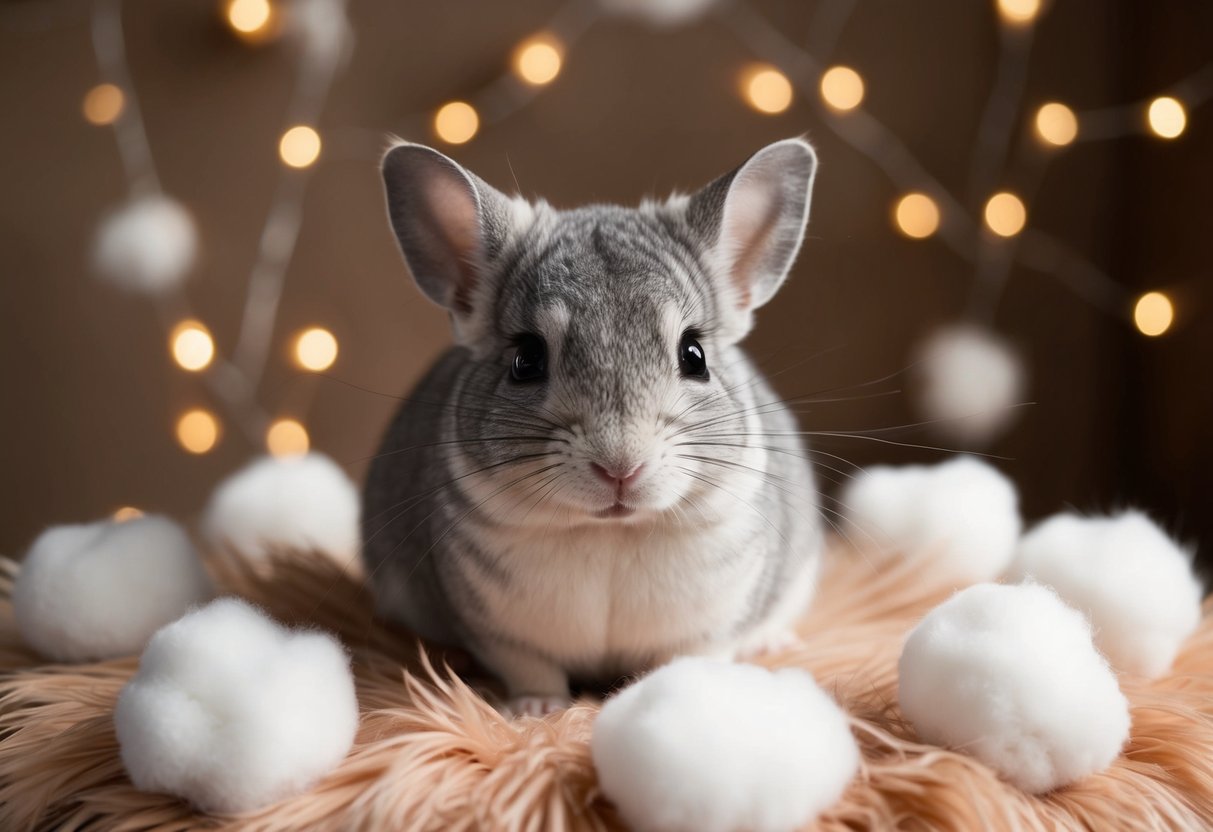
Their fur is not just soft but also dense, with up to 90 hairs growing from a single follicle. This incredible density contributes to its plush texture.
As you explore this topic further, you’ll learn about what makes chinchilla fur so special and how it compares to other soft furs.
Whether you’re a pet lover or just curious about fur coats, understanding why chinchilla fur is considered the softest will captivate your interest. Get ready to discover the fascinating world of chinchillas and their remarkable fur!
Understanding Chinchillas and Their Unique Fur

Chinchillas are remarkable small rodents known for their incredibly soft and dense fur. Their unique fur structure, along with their origins from the Andes Mountains, makes them truly special. Let’s explore these features in detail.
Physical Characteristics of Chinchillas
Chinchillas are small rodents with compact bodies. They have large round ears and bushy tails, which add to their charm. One of the most attractive features is their fur, which can be various shades of gray, tan, and black.
The fur of chinchillas is exceptionally dense. In fact, they can have up to 90 hairs growing from a single follicle. This is significantly more than most animals, which typically have only a few hairs per follicle. This density provides insulation in their natural habitat high in the Andes Mountains, where temperatures can vary widely.
The Origin of Chinchilla Fur
Chinchillas are native to the Andes Mountains of South America. In the wild, they thrive at high altitudes, where the climate is cool and dry. Their fur developed as a natural adaptation to the cold, helping them keep warm.
In the past, chinchilla fur was highly sought after for luxurious clothing. This demand led to over-hunting, threatening their populations in the wild. Today, most chinchillas raised for fur come from controlled breeding programs.
Anatomy of Chinchilla Fur
Chinchilla fur is unique due to its structure. The hair is not only numerous but also very fine and soft. The lack of oil or dander glands in their skin means their fur retains a clean, non-greasy feel.
The softness of chinchilla fur is often compared to touching a cloud. Its remarkable quality is a mix of thickness and fine hair, making it one of the softest furs in the animal kingdom. With proper care, this fur remains in excellent condition, adding to the appeal of these friendly creatures.
The Softness of Chinchilla Fur Compared

Chinchillas are known for having some of the softest fur in the animal kingdom. To understand their unique softness, it is helpful to compare their fur to that of other animals. Also, exploring the science behind their soft texture gives insight into why chinchilla fur stands out.
Chinchilla vs. Other Animals
When you compare chinchilla fur to that of other animals, its unique properties become clear. For example, the Angora rabbit has a plush coat, but its fur is not as dense as that of a chinchilla. Angoras typically have 10-12 hairs per follicle, while chinchillas have 50 to 90.
The arctic fox also has a soft undercoat, providing warmth in harsh climates. However, the arctic fox’s guard hairs are less dense than those of a chinchilla. This difference shows why chinchillas are often regarded as having the softest fur among land mammals.
The Science Behind Softness
The softness of chinchilla fur comes from its fine texture and high density. Their fur consists of a mixture of guard hairs and an undercoat, which traps air and creates insulation. This combination allows chinchillas to thrive in cool environments.
In contrast, animals with fewer hairs per follicle may lack the same level of softness. The softer texture of chinchilla fur provides a luxurious feel, making it popular in clothing and accessories. The unique fur structure is why chinchillas hold the title for some of the softest fur in the world.
Chinchilla Fur in Fashion and Ethics

Chinchilla fur is known for its exceptional softness and luxurious appeal, making it a sought-after material in the fashion industry. However, its use raises important questions about ethics and animal welfare that you should consider.
Chinchilla Fur and the Fashion Industry
Chinchilla fur is highly prized in luxury fashion. Designers often use it to create stunning clothing items like coats and accessories, attracting those who desire both elegance and warmth. Each chinchilla has a unique fur quality, characterized by its softness and density, which contributes to its popularity.
In the fashion industry, chinchilla fur is often marketed as a premium choice. Brands that offer chinchilla fur items highlight their uniqueness. Because of this appeal, many high-end fashion houses have included chinchilla fur in their collections, making it a timeless component of luxury fashion.
Ethical Considerations of Fur Production
When it comes to chinchilla fur, ethical considerations play a crucial role in today’s conscious fashion landscape. The process of obtaining chinchilla fur often involves concerns about animal welfare and the sustainability of fur production.
Many organizations advocate for ethical sourcing of chinchilla fur. They emphasize transparency in how the fur is produced, ensuring that animals are treated humanely throughout their lives. There are now alternatives, such as faux fur or sustainable materials, that mimic the look and feel of chinchilla fur without harming animals.
It’s essential for you to think about these factors when considering purchasing chinchilla fur items. By staying informed, you can make choices that align with your values regarding fashion and animal welfare.
Caring for Chinchillas and Their Fur
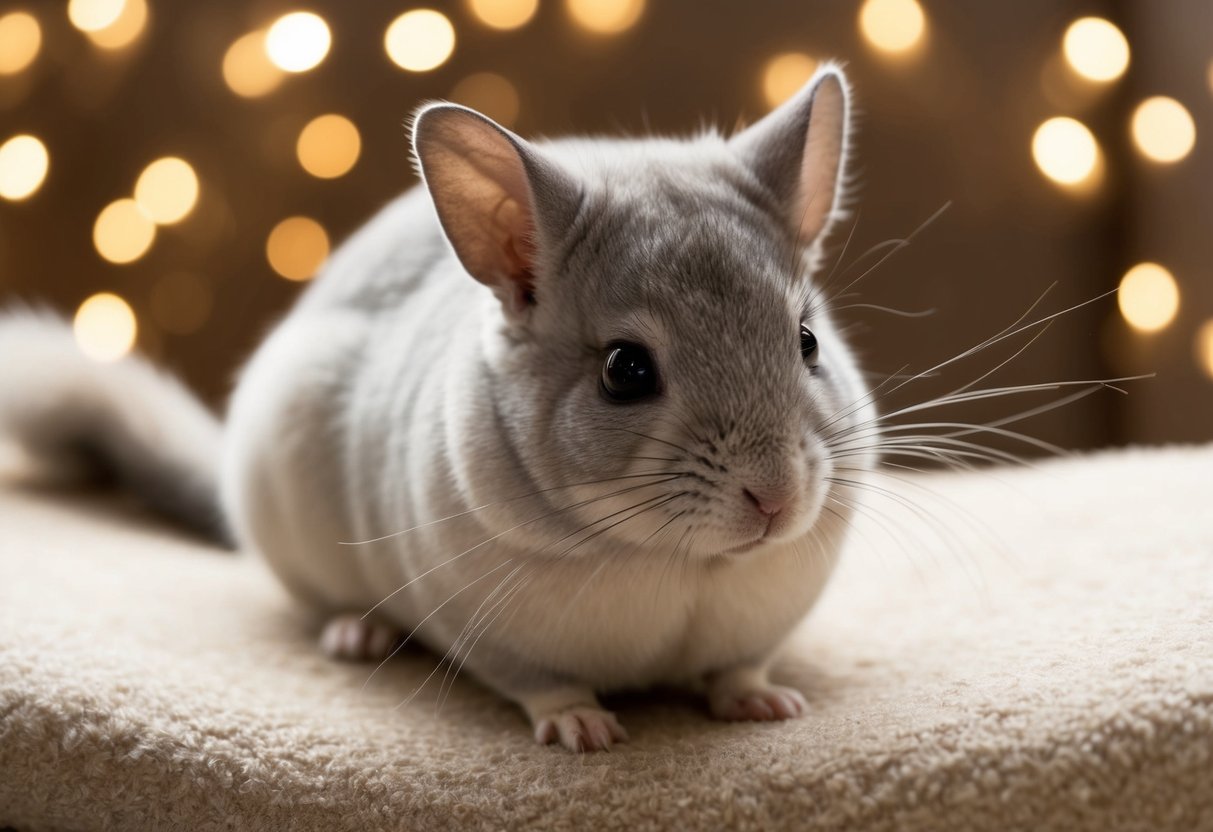
Taking care of your chinchilla’s fur is essential for maintaining its beauty and health. You need to focus on grooming and understanding how their environment impacts their fur.
Grooming and Maintaining Healthy Fur
Regular grooming is crucial for keeping your chinchilla’s fur soft and healthy. Chinchillas have dense fur that can trap dirt and oils, so it’s important to groom them often. Use a soft brush designed for chinchillas to remove loose fur and debris gently.
Dust baths are vital to their grooming routine. Your chinchilla will enjoy rolling in special chinchilla dust, which absorbs natural oils and dirt. Aim for 1-2 dust baths per week. This helps maintain the softness of their fur while keeping it clean.
To ensure your chinchilla’s fur stays healthy, monitor the humidity and temperature in their environment. Chinchillas thrive in cooler, dry settings. If the air is too humid, their fur can become matted or unhealthy.
The Role of Chinchillas as Pets
Chinchillas make great pets, and proper fur care contributes to their happiness. A well-groomed chinchilla not only looks good but can also feel more comfortable. This is essential for their well-being.
As a pet owner, you should create a nurturing environment. This helps your chinchilla feel secure and stress-free, which promotes healthy fur. They often serve as emotional support animals, bringing joy to your life.
In addition to grooming, make sure to provide a spacious cage with hiding spots and toys. This encourages activity and reduces stress. Active chinchillas tend to have better fur quality, allowing them to thrive as loving companions.


