
If you’ve noticed that your chinchilla seems to poop a lot, you’re not alone. Many chinchilla owners wonder why these furry pets produce so many droppings. The key reason is that chinchillas have a fast and efficient digestive system, which means they need to eliminate waste often. This is actually a sign of a healthy and well-fed chinchilla.

Your chinchilla’s poop should be firm, dry, and uniform in size and color. If you see any changes, like soft or wet stool, it could indicate a health issue.
Keeping an eye on your chinchilla’s feces is an important part of chinchilla care. The amount and quality of poop are good indicators of your pet’s health.
Understanding your chinchilla’s potty habits can help you provide better care. Knowing the normal traits of chinchilla poop helps ensure that your furry friend is happy and healthy. If you’re curious about the reasons behind this behavior, keep reading!
Understanding Chinchilla Digestive Health

Maintaining proper digestive health is essential for your chinchilla’s overall well-being. A diet rich in fiber and an understanding of their unique digestive process are vital.
Let’s look at the role of fiber, common digestive issues, and the importance of cecotropes and coprophagy.
The Role of Fiber in a Chinchilla’s Diet
Fiber is crucial for your chinchilla’s digestive system. As herbivores, they thrive on a high-fiber diet that includes hay and specially formulated pellets.
Hay should make up the majority of their food intake, as it helps their digestive system function properly.
When your chinchilla eats fiber, it promotes healthy gut movement. This keeps their cecum, where fermentation occurs, working effectively. Inadequate fiber can lead to various digestive issues, like constipation or gastrointestinal stasis.
Incorporating fresh hay regularly will ensure your chinchilla gets the necessary fiber. Avoid high-carb treats, which can disrupt their digestion and lead to health problems.
Common Digestive Issues in Chinchillas
Chinchillas can face several digestive issues if their diet is not managed well. Two common problems include diarrhea and constipation, both of which can be serious and may require veterinary attention.
Diarrhea can result from a sudden change in diet or consuming too many sugary foods. It’s essential to monitor your chinchilla’s poop. Firm, dry pellets indicate good health, while wet or soft stools may signal an upset stomach.
Constipation, on the other hand, often comes from a lack of fiber. If your chinchilla isn’t pooping regularly, it might be time to reassess their diet. Both issues can lead to more severe conditions if not addressed quickly.
Significance of Cecotropes and Coprophagy
Cecotropes play a vital role in your chinchilla’s digestive health. These soft droppings are rich in nutrients and are produced in the cecum. Chinchillas eat them directly from their bodies, a behavior known as coprophagy.
This process allows your pet to reabsorb essential nutrients that might have been lost during the first digestion. It helps maintain gut health and ensures your chinchilla gets the most from their meals.
If you notice your chinchilla is not consuming their cecotropes, it may indicate digestive issues. Regularly checking their droppings will help ensure they are healthy and getting the nutrients they need.
Factors Affecting Chinchilla Poop Frequency

Several key elements influence how often your chinchilla poops. Understanding these factors can help you maintain their health and ensure a happy pet.
Balanced Diet and Nutritional Needs
A balanced diet is crucial for your chinchilla’s health. Chinchillas thrive on a high-fiber diet that mainly includes hay, which promotes proper digestion.
Quality hay should be available at all times. In addition to hay, you can offer pellets that are high in fiber and low in sugar.
Avoid high-sugar treats, as they can upset their metabolism and increase poop frequency.
If your chinchilla is not getting enough fiber, you may notice changes in their bowel movements. Firm, rounded poop is a sign of a healthy digestive system. Consistent access to the right foods helps regulate their bathroom habits.
Importance of Regular Exercise
Regular exercise plays a significant role in your chinchilla’s overall health and bowel movement frequency. Chinchillas are naturally active and need plenty of space to hop around and explore.
Providing a safe area for playtime encourages your pet to stay active. Daily exercise helps stimulate their metabolism, which can lead to regular and healthy bowel movements.
You can use tunnels, shelves, and toys to create an engaging environment. The more active they are, the better their digestive system will function, leading to normal poop patterns.
Stress and Its Impact on Bowel Movements
Stress and anxiety can seriously affect your chinchilla’s health, including their poop frequency. Changes in their environment, such as new pets or loud noises, can disrupt their routine.
When stressed, your chinchilla may experience changes in their digestion. You might notice either a decrease or an increase in poop. Signs of stress could include hiding, excessive grooming, or a change in eating habits.
To reduce stress, create a calm environment. Ensure your chinchilla has a cozy hiding spot and enough enrichment to keep them occupied. Keeping consistent care routines can also help your chinchilla feel secure and relaxed, promoting healthy digestion.
Chinchilla Poop Analysis
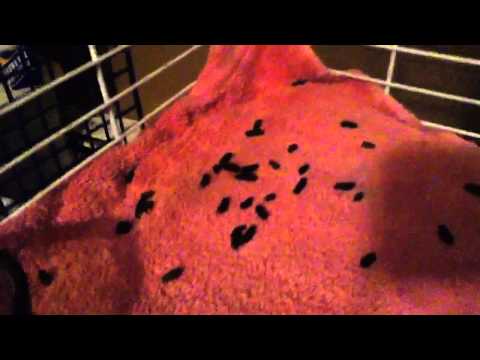
Analyzing your chinchilla’s poop can give you crucial insights into its health. By examining the appearance and quantity of droppings, you can assess your pet’s digestive health and overall well-being.
Interpreting Poop Appearance for Health Assessment
The appearance of your chinchilla’s droppings is a key indicator of its health. Healthy fecal pellets are small, rounded, and firm.
If you notice any changes, such as:
- Wet or soft droppings: This could indicate digestive upset or a diet that is too rich.
- Discolored poop: Dark green, brown, or black is normal. A change in color could suggest dietary issues.
- Size variations: Larger droppings may indicate overconsumption or related health concerns.
Regularly checking the appearance of your chinchilla’s poop can help you spot health issues early, allowing for prompt action.
Fecal Output and What It Indicates
Chinchillas typically poop a lot—up to 250 times a day! This is normal for your herbivorous pet. The quantity of droppings can reveal valuable information about your chinchilla’s digestive health.
Increased fecal output may indicate a healthy appetite and good digestion. However, if you notice a sudden decrease, it might signal that your chinchilla is not eating well or is experiencing digestive issues. Keep an eye on your pet’s age and diet, as younger or poorly fed chinchillas may produce varying amounts of droppings.
Understanding these aspects of your chinchilla’s fecal output can help ensure a long, happy, and healthy life for your furry friend.


