
Chinchillas are becoming popular pets, especially among those looking for something a bit different. These small, fluffy creatures can be a delightful addition to your home. Chinchillas can be good pets for the right owners who appreciate their unique needs and personalities. They are known for their soft fur, playful antics, and gentle nature, making them enjoyable companions for many.
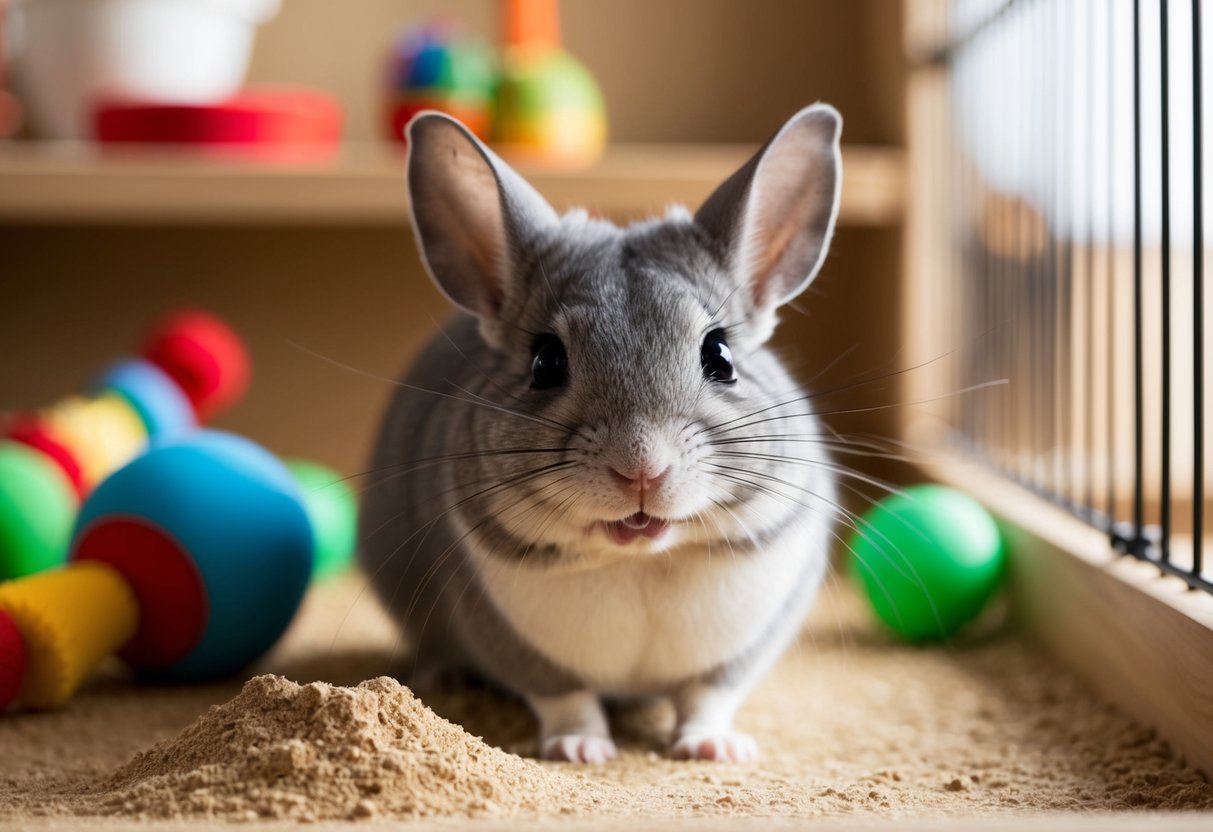
As you explore the world of exotic pets, chinchillas stand out for their low-maintenance lifestyle. They require less grooming than many traditional pets and are relatively clean. However, they do have specific care needs, such as special diets and housing, which you should consider before bringing one home. Social media has also played a role in their rise in popularity, showcasing their charming behaviors and cute appearances, often sparking interest among potential pet owners.
If you’re thinking about adding a chinchilla to your family, understanding what makes them tick is essential. They can form strong bonds with their owners and offer a unique companionship that is different from more common pets.
Understanding Chinchillas as Pets
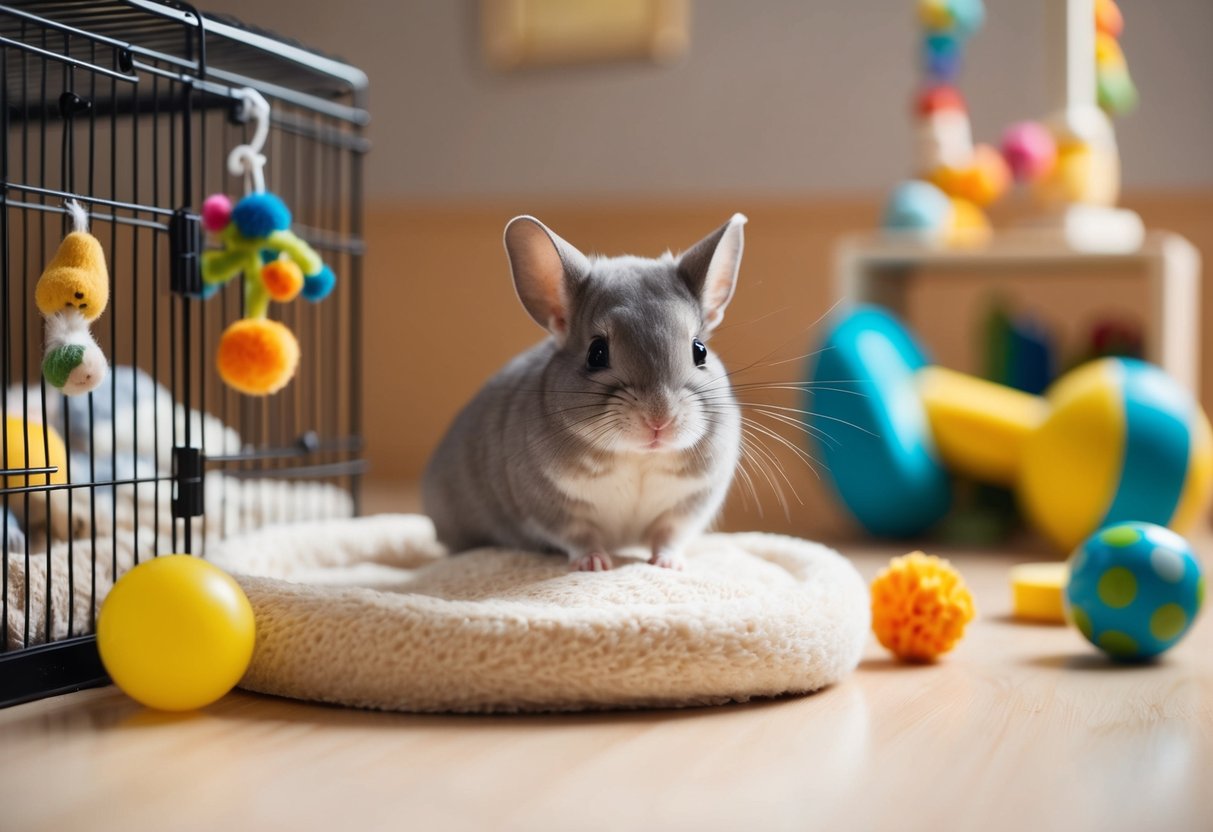
Chinchillas can be fascinating pets that offer companionship and joy. They have unique behaviors and physical traits that make them stand out among other rodents. Knowing what to expect can help you decide if a chinchilla is the right pet for you.
Behavior and Temperament
Chinchillas are social animals that thrive on interaction. They require time outside their cage to explore and play. These crepuscular animals are most active during dawn and dusk, which means they might be lively when you’re waking up or winding down for the day.
Chinchillas have unique personalities; some may be adventurous while others are more laid-back. They are known for their gentle nature and can bond closely with their owners. Keep in mind that they prefer a quiet environment. Loud noises can frighten them, making a calm home ideal.
Physical Characteristics
Chinchillas have distinct physical features that make them appealing. Their luxurious fur is often regarded as the softest fur in the world, providing a plush touch. This thick fur helps them stay warm in their native cold climate.
In terms of size, they typically weigh between 1 to 2 pounds and can live for over 10 years. That long lifespan means they can be great companions for many years. Their large ears and round eyes give them an adorable appearance, while their agile bodies allow for impressive jumps. This agility makes it essential to provide them with a safe space to play and explore.
Chinchilla Care Requirements

Caring for a pet chinchilla involves several important aspects that ensure their health and happiness. You need to pay attention to their habitat, dietary needs, and overall wellness.
Habitat Considerations
Creating the right habitat for your chinchilla is key to its well-being. Choose a spacious cage that has multiple levels, allowing them to jump and play. A cage made from heavy-duty wire is best, as chinchillas can chew through weaker materials.
Make sure the cage is at least 24 inches wide, 24 inches deep, and 36 inches tall. It should also be equipped with shelves, ramps, and chew toys. Since chinchillas are sensitive to temperature, keep their environment cool (around 60-70°F).
Finally, provide a dark area in the cage for your chinchilla to rest, as they are nocturnal and prefer to be active during the night.
Diet and Nutrition
Diet plays a vital role in chinchilla care. Your pet should eat a high-quality hay-based diet, primarily timothy hay. This helps maintain digestive health. You can also offer some pellets designed for chinchillas, but avoid those high in seeds or nuts.
Occasional treats can include dried fruits or vegetables, but these should be given sparingly. It’s essential to provide fresh, clean water daily. Chinchillas enjoy dust baths a few times a week to keep their coats clean. Use special chinchilla dust to prevent skin irritation.
Be aware that their sensitive digestive systems require you to introduce any new foods slowly to avoid upset.
Health and Wellness
Regular health checkups with a veterinarian who specializes in exotic pets are crucial for your chinchilla. Look for signs of illness, such as lack of appetite or changes in behavior. Chinchillas can be prone to dental issues, so monitor their teeth and provide chewing options to help wear them down.
To keep your pet mentally stimulated, offer a variety of toys and activities. Chinchillas are playful and enjoy interacting with you. Make sure to handle them gently and regularly to promote social behavior.
The Pros and Cons of Keeping Chinchillas

Chinchillas can be delightful pets, offering both unique qualities and some challenges. Understanding the benefits and difficulties of caring for them can help you decide if a chinchilla is the right companion for you.
Benefits of Chinchilla Companionship
Chinchillas are known for being low-maintenance pets. They require minimal grooming and shed very little, making them ideal if you want to avoid excessive fur around your home. Their hypoallergenic fur also means fewer allergic reactions, which is great for sensitive individuals.
These small, quiet pets are perfect for apartment living or homes where noise is a concern. They enjoy jumping and climbing, offering fun and entertainment with their playful antics. Chinchillas have a long life span of 15 to 20 years, allowing for a lasting companionship.
When kept in groups, chinchillas can thrive and socialize, making them even more engaging. They require dust baths instead of traditional bathing, which is a unique and easy way to care for their fur. This combination of qualities makes them an appealing choice for many pet lovers.
Challenges to Consider
While chinchillas can be wonderful pets, there are some challenges you should keep in mind. They require a large cage due to their active nature, so be prepared for the space commitment.
If you want multiple chinchillas, you need to consider a bigger setup to accommodate their social needs.
Chinchillas have specific dietary needs that include high-fiber pellets and hay. It’s important to research their proper care to keep them healthy.
They can also be sensitive to temperature and require a cool environment to thrive.
Though playful, chinchillas may not seek constant interaction, so if you’re looking for a highly interactive pet, consider this.


