
Chinchillas are adorable, fluffy pets that need special care to stay healthy. Their dense fur traps moisture, which can lead to serious health problems. If your chinchilla ever gets wet, it can feel cold and uncomfortable.
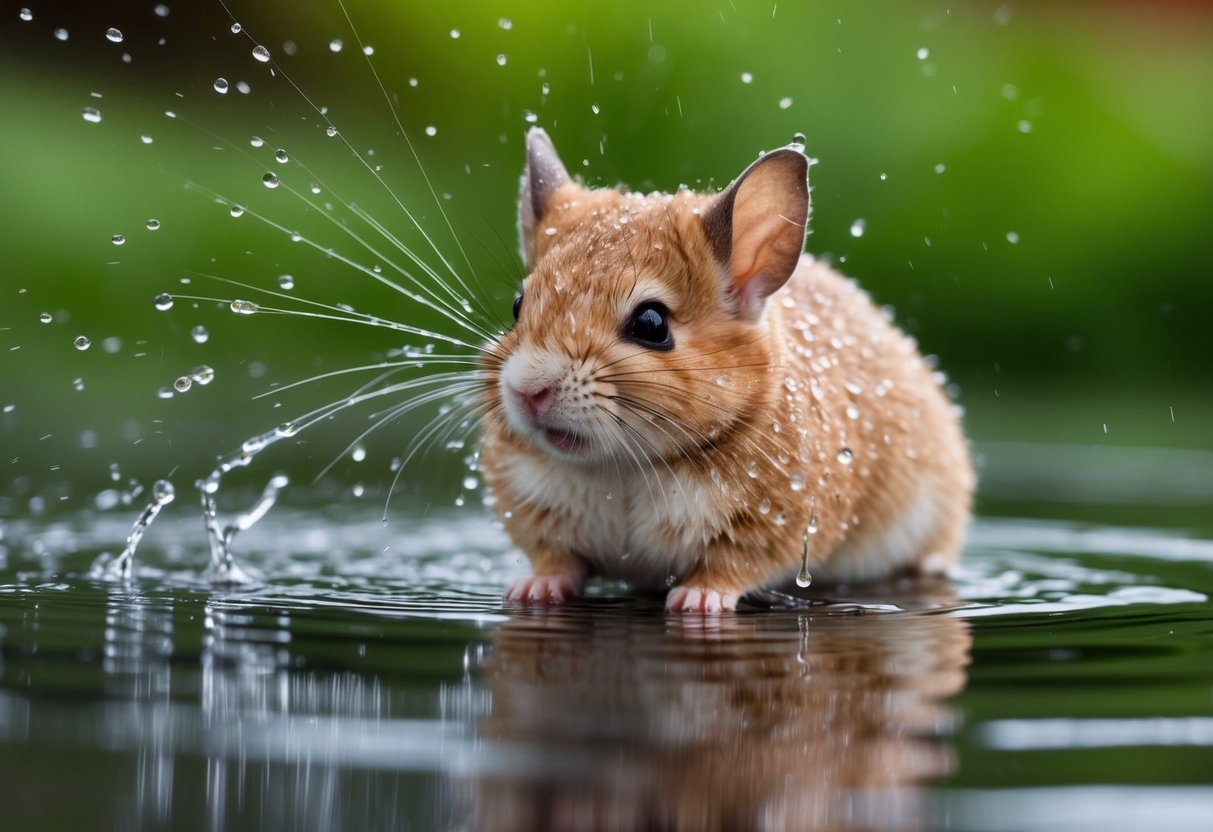
In order to keep your chinchilla happy and safe, you’ll need to learn how to groom them without using water. Dust baths are essential for chinchilla care, as they help keep their fur clean and free from oils. Understanding these aspects of chinchilla care will ensure your pet remains healthy and thrives in a loving home.
Unique Physiology of Chinchilla Fur

Chinchilla fur is special in many ways that impact how these animals must be cared for. Their unique fur structure means that moisture can be very harmful to them, leading to serious health risks. Understanding these characteristics helps you take better care of your chinchilla.
Chinchilla Fur Characteristics
Chinchillas have some of the densest fur in the animal kingdom. Each hair is soft and thick, often up to 80 hairs grow from a single follicle. This creates a plush coat that offers excellent insulation, perfect for their native high-altitude habitats.
The fur traps air and helps regulate body temperature. Because of this density, any moisture that gets in is difficult to remove. This makes regular grooming essential. Dust baths are crucial for keeping their fur clean without the risks associated with water.
Risks of Getting Wet
When chinchillas get wet, their fur can trap moisture against their skin for extended periods. This can lead to a growth of fur fungus, which can cause skin infections. It may also result in a condition called fur-slip, where chunks of fur fall out due to stress or infection.
If your chinchilla accidentally gets wet, you should dry them carefully with towels. Avoid using any heat sources, as they can harm your pet. Keeping your chinchilla away from water helps prevent these serious health concerns, ensuring they stay happy and healthy.
Proper Bathing Alternatives
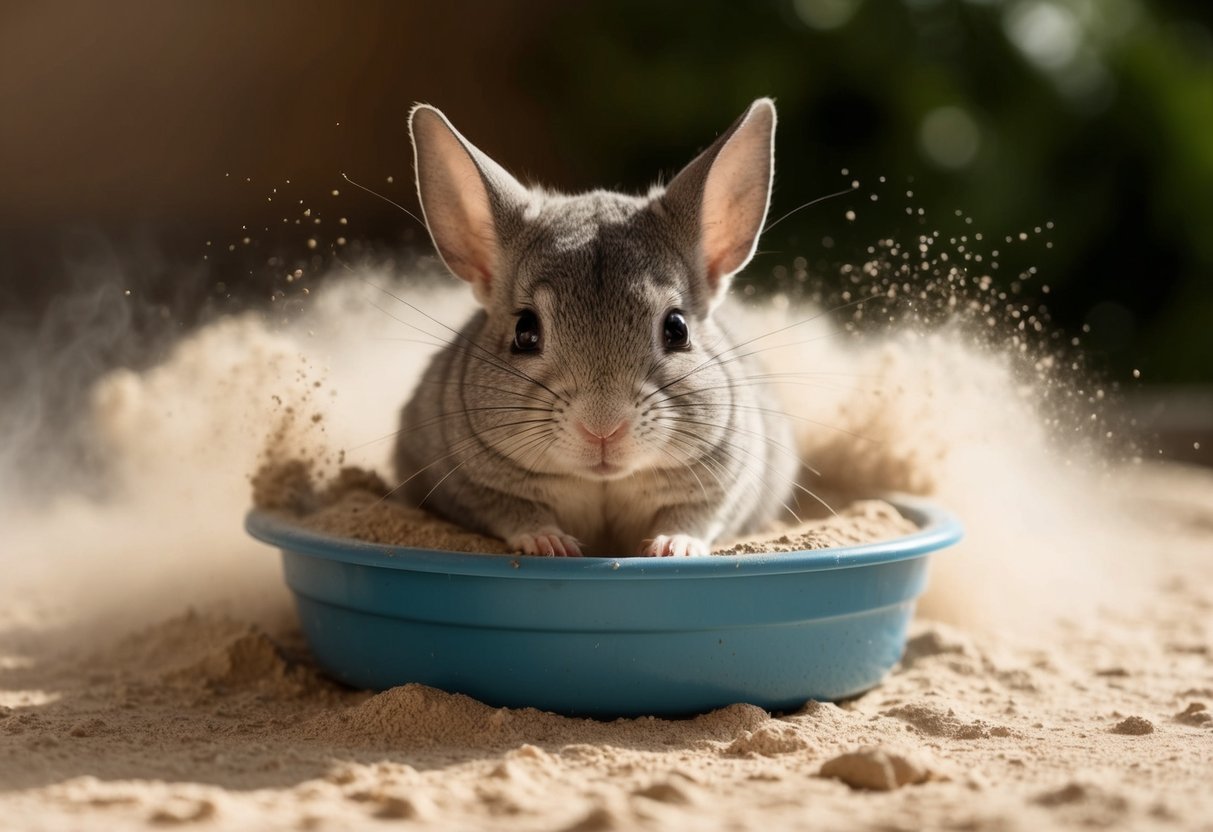
Chinchillas have unique fur that doesn’t mix well with water, making dust baths the best option for their grooming needs. Understanding how to properly bathe your chinchilla will keep their coat healthy and free of moisture-related issues. Here’s how to ensure your pet stays clean and well-groomed.
Importance of Dust Baths
Dust baths are essential for chinchillas. Unlike water baths, dust baths help remove dirt and oil from their dense fur without trapping moisture. Their fur can hold excess moisture, which can lead to skin problems like fungal infections.
Dust baths mimic the natural habits of chinchillas, who live in the dry Andes Mountains. This method keeps their coat clean and allows for healthy grooming. You should offer a dust bath to your chinchilla at least once or twice a week, depending on their activity level.
How to Provide a Dust Bath
To provide a dust bath, choose a suitable dust specifically made for small animals. Look for chinchilla bath dust, which is finely granulated and helps absorb oils.
Place the dust in a shallow dish or a specialized bathing house. Make sure it’s deep enough for your chinchilla to roll and bury itself in the dust. Allow your pet to enjoy the bath for about 10-15 minutes.
Afterward, remove any remaining dust to prevent it from becoming contaminated. Ensure your chinchilla does not have access to water baths, as even a small amount of water can be harmful to their health. Smarty pets are happy pets!
Health Complications from Moisture
Moisture can lead to serious health issues for chinchillas. Keeping your pet dry is essential to prevent complications like fungal infections and skin conditions. You need to be aware of how to handle accidents and maintain good hygiene.
Preventing Fungal Infections
Fungal infections are a major risk for chinchillas that get wet. Their dense fur traps moisture, creating a perfect environment for fungi to grow. This can lead to skin infections that may require vet treatment.
To prevent fungal issues, be sure to:
- Limit exposure to water. Avoid bathing chinchillas with water. Instead, use dust baths 2-3 times a week.
- Monitor humidity levels. Keep their living area dry and well-ventilated.
- Regular grooming. Brush your chinchilla to remove dust and loose fur, which can help keep the coat clean.
Taking these steps can help you keep your chinchilla happy and healthy.
Dealing with Wetness Accidents
Sometimes accidents happen, and your chinchilla may get wet. It’s crucial to act quickly to avoid health problems.
If your chinchilla does get wet, follow these steps:
- Dry them immediately. Use a towel to soak up excess water gently.
- Use a cool hair dryer. Set it to low and hold it at a distance to avoid overheating your pet.
- Check for dampness later. Ensure no moisture remains, especially in areas around the skin.
Monitor your chinchilla for signs of skin infections, such as redness or itching. If you notice any issues, contact your vet promptly. Keeping a close eye can help you prevent more serious health problems down the line.
Ongoing Care and Considerations
Taking care of your chinchilla involves regular routines and understanding their needs. Proper ongoing care helps keep them healthy and happy. Here are important points for chinchilla owners to remember.
Routine Care Tips
You should provide your chinchilla with regular dust baths 2-3 times a week. This helps maintain their dense fur, preventing moisture buildup that could lead to health issues. Use volcanic ash or fine sand specifically designed for chinchillas.
Ensure they have plenty of chew toys to promote dental health. Wood blocks, and hay-based toys work well. Always check their environment for any chance of getting wet. If your chinchilla accidentally gets wet, dry them off gently with a soft towel and place them in a warm, dry area. Monitor for any signs of stress or skin irritation, as these may indicate health concerns.
Understanding Behavior and Enrichment
Chinchillas are social and curious animals. It’s important to provide enrichment to keep them engaged.
Create a warm and safe space for them to explore. Offer items like hideouts, tunnels, and climbing structures for activity.
Interacting with your pet helps build a bond. Spend time with them outside their cage in a safe area.
This provides mental stimulation and encourages healthy behavior.
Finally, be observant. If your chinchilla seems stressed or hides often, evaluate their environment and adjust their care as needed.
Your attention will help them thrive!


