
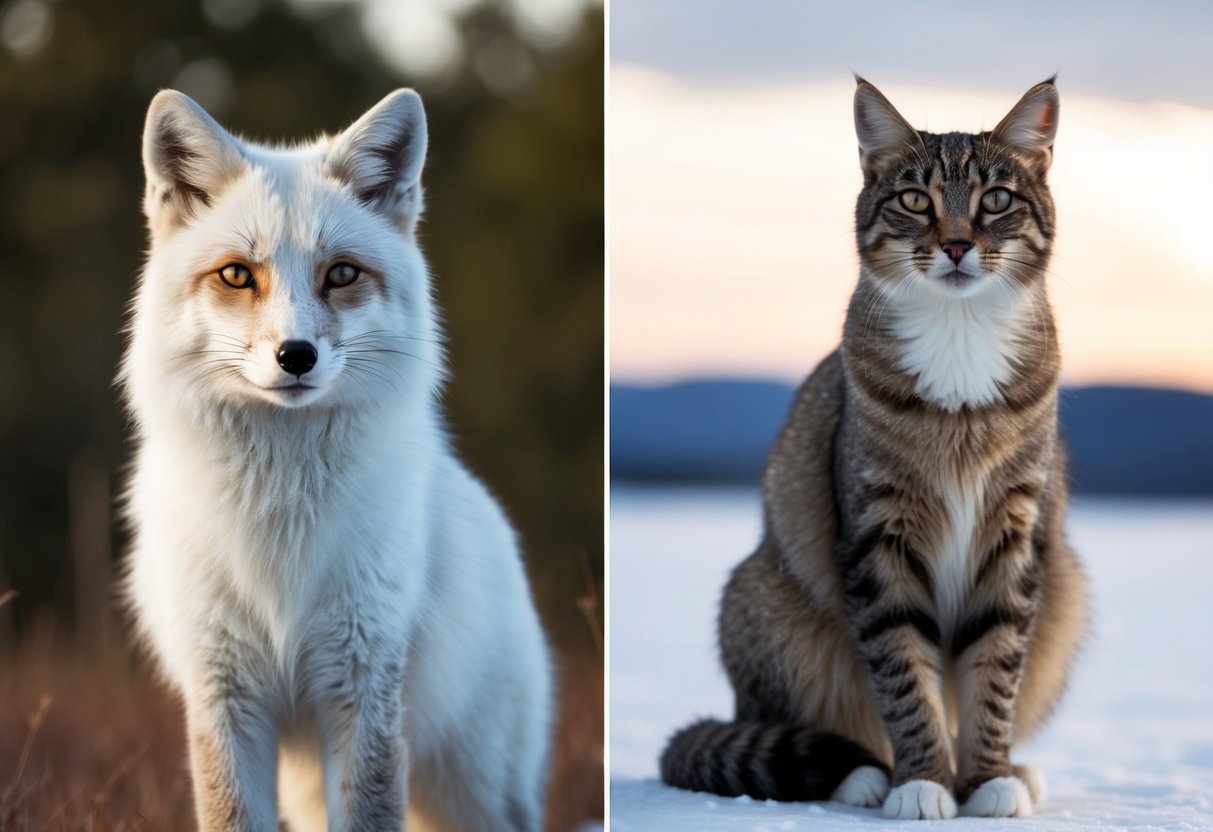
Many people are curious if the Arctic fox is a type of cat. The Arctic fox, scientifically known as Vulpes lagopus, is actually a member of the Canidae family. This means that it is more closely related to dogs than to cats. This fascinating animal is perfectly adapted to its chilly home in the Arctic tundra, showcasing unique features to survive in such harsh conditions.
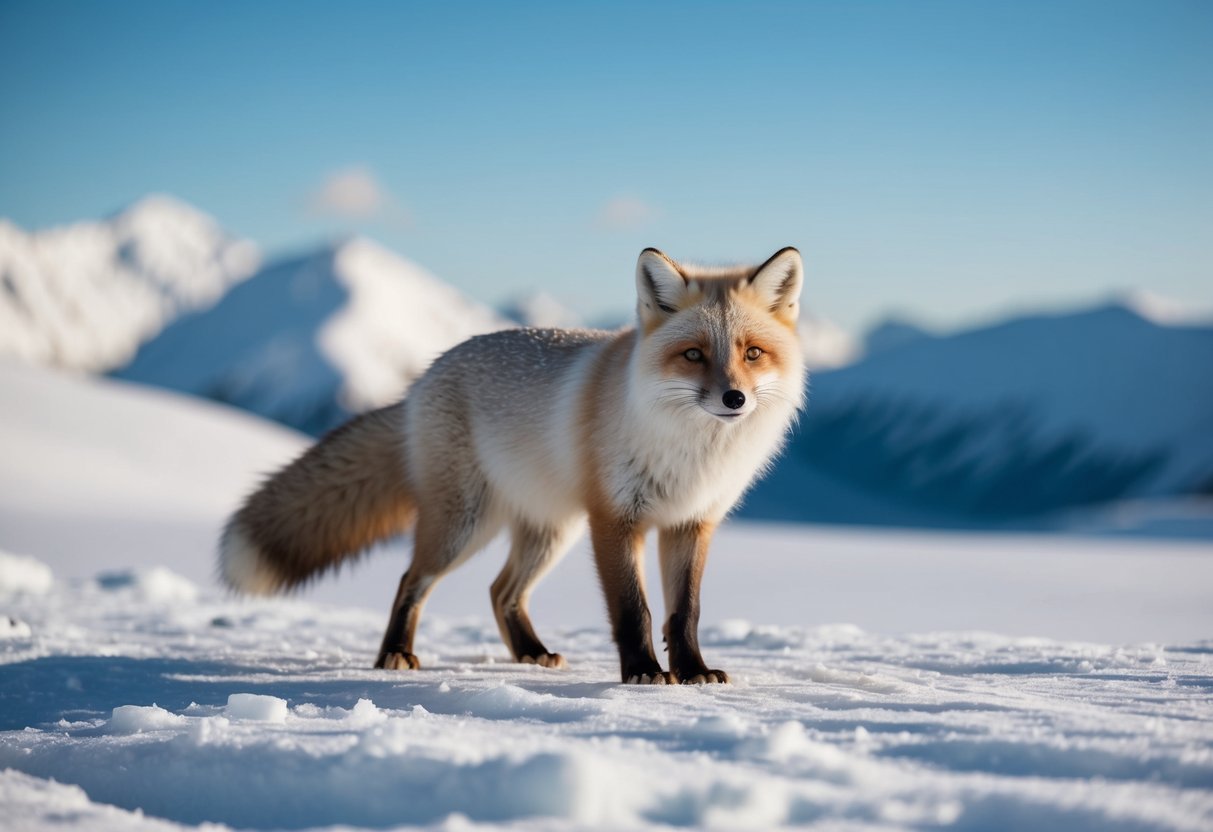
You might imagine these fluffy foxes as tiny versions of larger canines, with their thick fur and bushy tails. While they share some characteristics with cats, such as being agile and independent, their biological family tree clearly puts them with dogs and wolves rather than felines. Understanding this connection can deepen your appreciation for the Arctic fox and its behaviors.
As you explore more about the Arctic fox, you’ll discover intriguing facts about their habitat, diet, and survival tactics. The charm of these creatures lies not only in their looks but also in their remarkable adaptations to the cold environments they inhabit.
Physical Characteristics and Adaptations
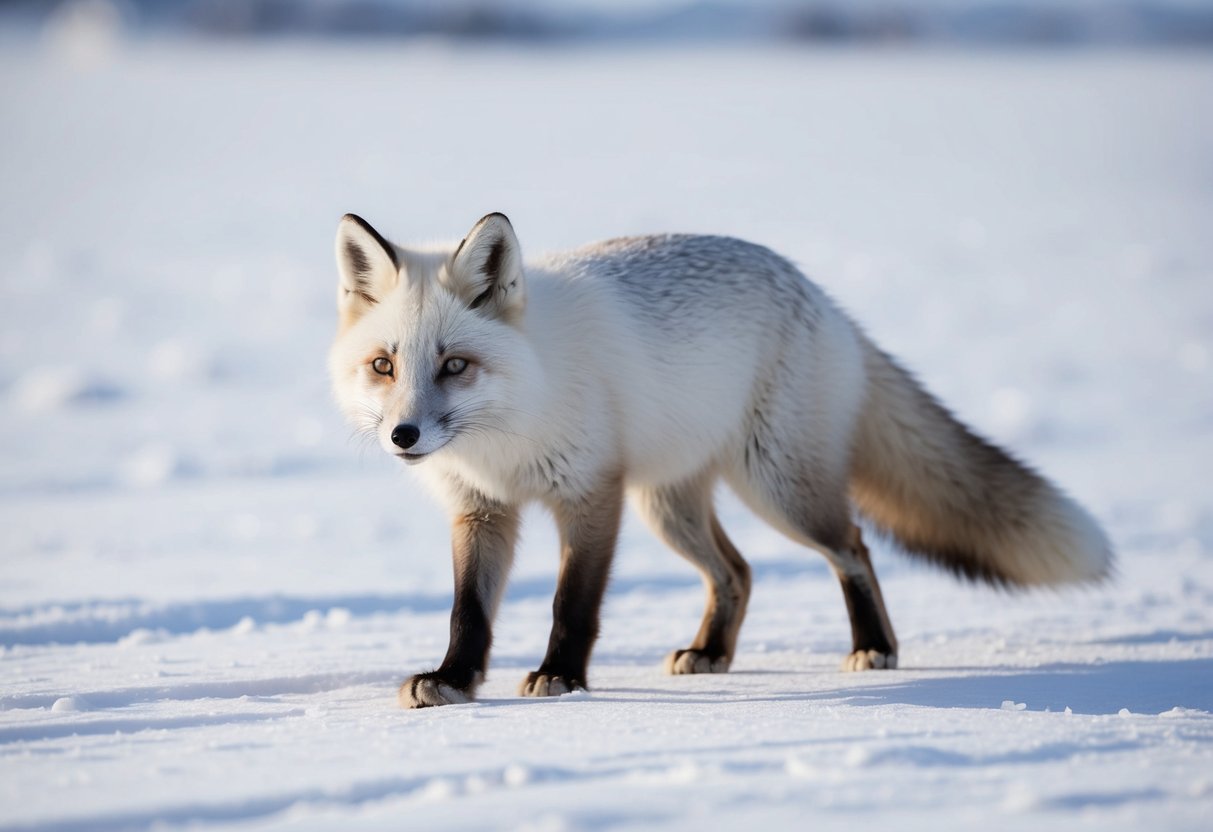
The Arctic fox has several unique traits that help it survive in the harsh, cold environment of the Arctic. Its size, appearance, and adaptations to freezing temperatures play vital roles in its everyday life.
Size and Appearance
Adult Arctic foxes are relatively small, typically measuring between 46 to 68 centimeters (18 to 27 inches) in body length. Their tails add another 30 to 35 centimeters (12 to 14 inches). This compact body shape reduces heat loss, making it easier to stay warm. Males are slightly larger than females, weighing between 3 to 9 kilograms (6.6 to 19.8 pounds). Their diminutive size is well-suited to navigating the freezing terrain, allowing easy movement through the snow.
Coloration and Camouflage
The fur of the Arctic fox is not just beautiful; it is essential for survival. In winter, they sport a thick, fluffy coat that is mostly white. This helps them blend with the snow and ice, offering excellent camouflage from predators. In the summer months, they change to a brown or gray coat, helping them blend into the tundra’s rocks and plants. The white phase is particularly effective due to the low levels of melanin in their fur, which enhances their ability to stay hidden in snowy conditions.
Adaptation to Cold
Arctic foxes are perfectly adapted to extreme cold. Their fur acts as superb insulation, keeping them warm even when temperatures drop dramatically. They have small ears and a round body shape that further reduce heat loss. Additionally, the fur-covered pads on their feet prevent frostbite and give them extra traction on slippery surfaces. Their fluffy tails are versatile; they use them for balance and as a blanket to cover their bodies when resting, which helps maintain body heat in freezing temperatures.
Habitat and Range
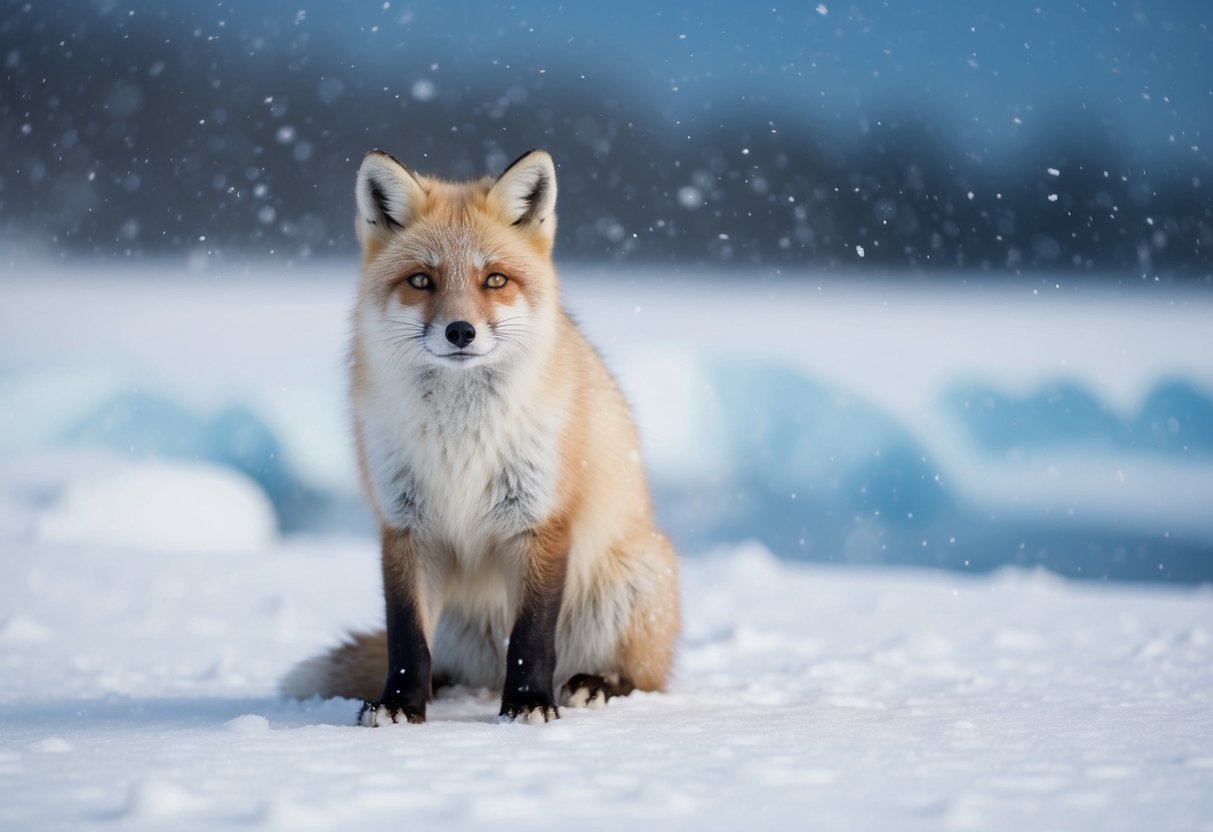
The Arctic fox thrives in specific environments and locations that suit its lifestyle. Understanding where they live and the type of habitats they prefer gives insight into their unique behavior and adaptations.
Tundra Living
Arctic foxes primarily inhabit the arctic tundra, a cold and treeless ecosystem. Here, the ground is often covered in permafrost, which remains frozen year-round. During the brief summer months, vibrant grasses and flowering plants can be seen, offering food sources.
These foxes use the tundra to build their dens. Dens are essential for raising their young and providing shelter from harsh weather conditions. You may find these dens on hilltops or in sandy areas, which helps protect them from predators and extreme cold.
Geographic Distribution
The range of the Arctic fox spans several regions in the Northern Hemisphere. They can be found in parts of Alaska, Canada, Greenland, and Russia. This widespread distribution allows them to adapt to various habitats within the tundra.
In these areas, Arctic foxes are skilled at hunting small mammals, birds, and the occasional carrion. Their ability to locate prey beneath the snow is remarkable. They rely on their keen senses to find food, making them well-suited to the cold climates they inhabit.
Diet and Hunting Behaviors
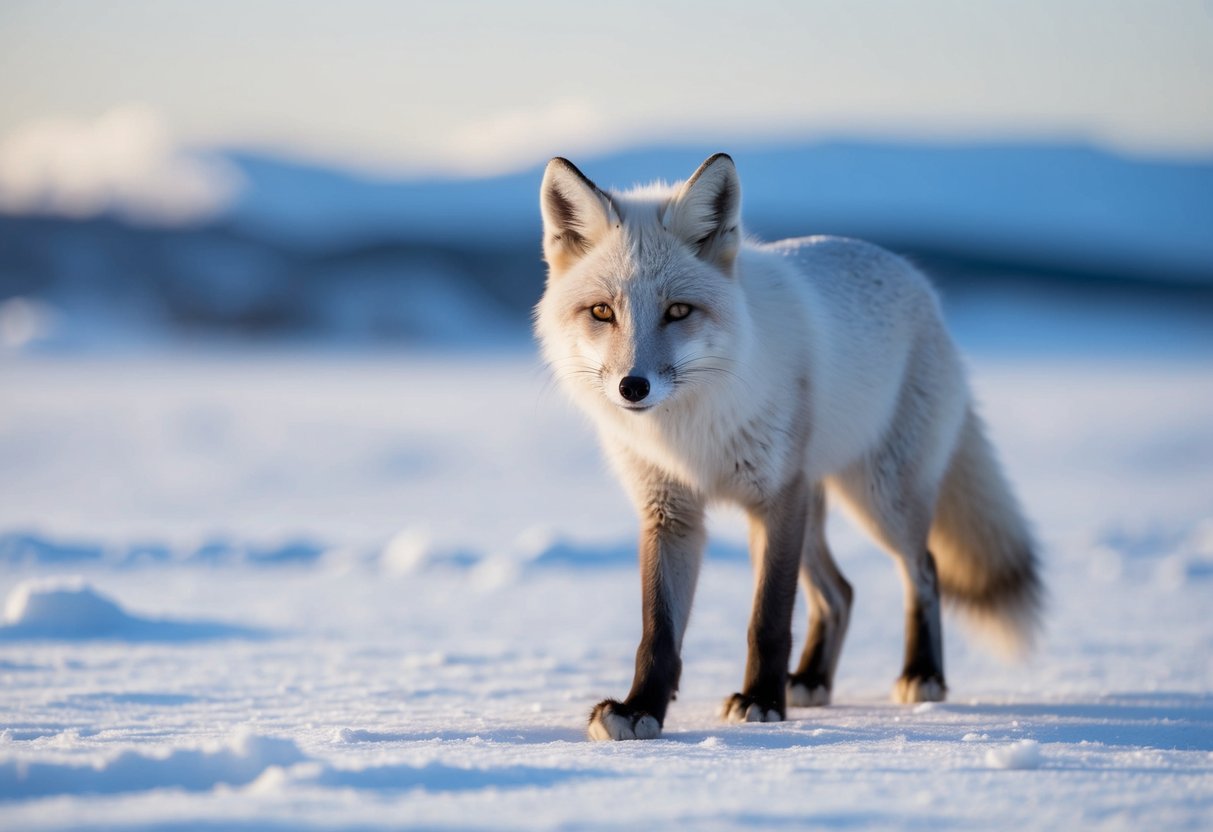
The Arctic fox has unique eating habits that adapt to its cold environment. You will learn about the types of prey it hunts, how it catches them, and the clever ways it changes its diet based on the seasons.
Prey and Predators
Arctic foxes mainly feed on small animals like lemmings, voles, and hares. These rodents are plentiful during certain seasons, making them a core part of the fox’s diet. In addition to rodents, you might find them dining on birds, their eggs, and even some carrion when food is scarce.
While hunting is essential for survival, Arctic foxes also face threats from larger predators. Polar bears, red foxes, wolverines, and coyotes can pose risks to these small mammals. It’s a constant balance for Arctic foxes, where they must be both hunters and wary of becoming prey themselves.
Hunting Techniques
To catch their prey, Arctic foxes use various strategies. They are clever hunters who can listen for the sounds of rodents burrowing beneath the snow. When they detect movement, they might use a special hunting technique called “pouncing.” This involves leaping into the air to catch their prey beneath the snow.
In addition, Arctic foxes are known for their ability to work with the environment. They often dig through the sea ice during winter to find hidden food. This skill allows them to access prey that other animals may not reach.
Dietary Adaptability
The Arctic fox’s diet changes with the seasons, showing its adaptability. During summer, when small mammals are less available, they can switch to fishing or scavenging for leftovers. This helps them survive when food is not readily accessible.
In harsh winter conditions, they can focus on the carrion left by other predators, ensuring that they still get the nutrients they need.
Reproduction and Lifecycle
The Arctic fox has a unique and fascinating reproduction process. Understanding how they breed and the growth of their young can give you great insights into their family life.
Breeding and Litters
Arctic foxes are generally monogamous, meaning they often mate with one partner for life. The breeding season occurs in late winter, around January to March. After mating, the female will have a gestation period of about 49 to 57 days.
Once the kits are born, usually in late spring, the female will give birth in a den. Litters can range from 4 to 11 kits, depending on food availability and the parent’s health. Both parents are involved in raising the young, forming a close family unit that ensures the kits receive ample care and protection.
Growth of Pups
Arctic fox pups are blind at birth and rely completely on their mother for food and warmth. They are born in a den, which is often an abandoned burrow, where they stay for safety.
At first, the pups grow rapidly. By about three weeks old, their eyes open, and they begin to explore the den. You will often see them playing together, which helps develop their physical skills.
Around three months, they start to eat solid food, joining their parents on hunts. By the fall, the young foxes are nearly full-grown and ready to learn how to fend for themselves.


