
Ever spot a bee buzzing nearby and wonder if it’s a good thing or not? Honestly, most bees are good—they pollinate flowers and crops, making it possible for plants to grow and for us to eat well. Without bees, a lot of your favorite foods would probably disappear from the shelves.
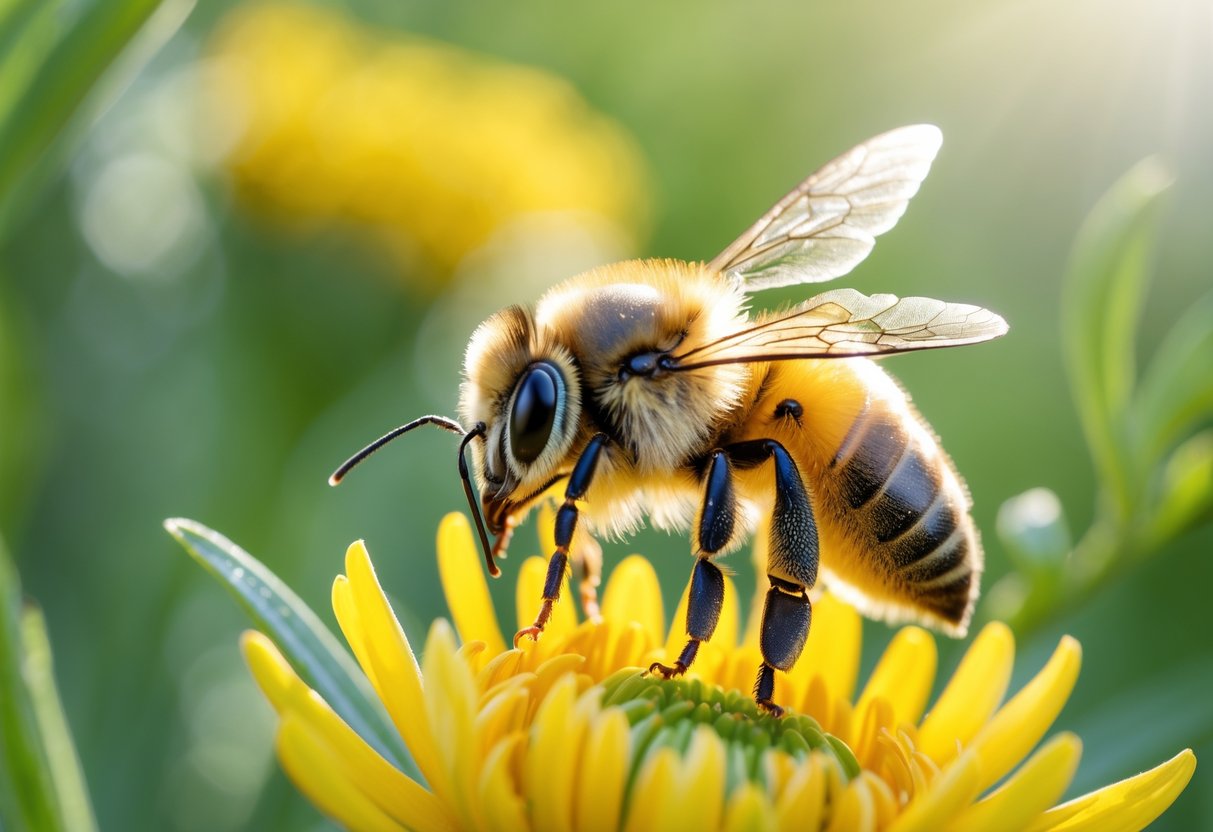
Of course, not every bee acts the same. Some get a bit aggressive or stir up trouble if they feel threatened.
If you know which bees help and which ones to avoid, you’ll react with a lot more confidence.
Let’s break down how to spot the difference and why bees matter so much in nature.
Once you learn a bit more, you might just see bees differently.
Understanding Good and Bad Bees
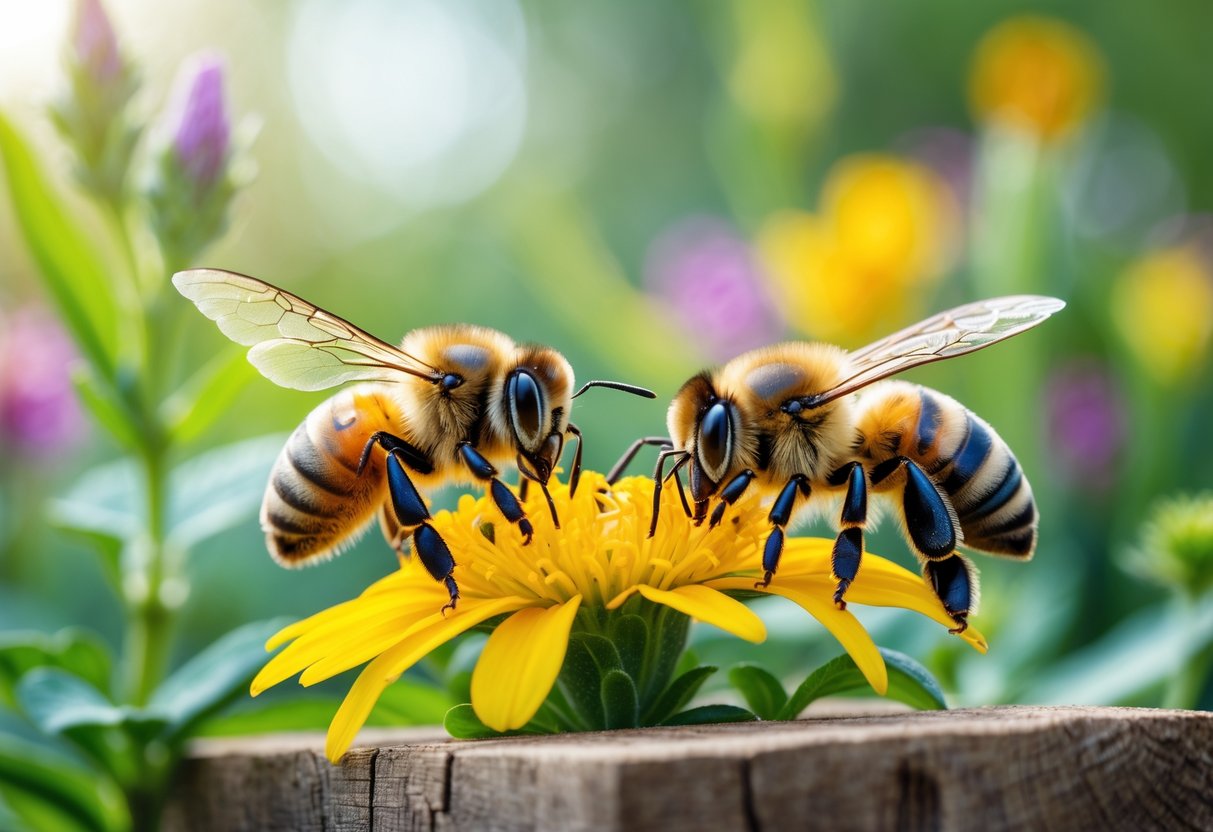
Knowing what makes a bee helpful or harmful can really change the way you deal with them.
Some bees support your garden and the environment, while others might damage things or pose risks.
It’s worth seeing these differences clearly.
What Makes a Bee ‘Good’ or ‘Bad’?
People usually call a bee “good” if it pollinates plants or makes honey. Honey bees are the classic example.
They’re gentle and help plants grow by carrying pollen from flower to flower.
A “bad” bee, on the other hand, might damage your property or attack without much warning. Take carpenter bees—they drill holes in wood, which can get expensive to fix.
These bees can also get more defensive.
Sometimes, it really depends on how a bee fits into your local environment or how it acts around people.
It’s not just about the species—it’s their behavior and impact where you live.
Benefits of Bees for Nature and Humans
Good bees help grow the fruits and veggies you love by pollinating plants.
Without them, crops would struggle to produce food.
They also keep wild plants healthy, which helps ecosystems stay balanced.
Honey bees make honey, too, and that’s pretty useful (and tasty).
Bees keep gardens healthy, and that helps animals who need plants for food and shelter.
If you protect bees, you support nature’s food chain and your own food supply.
Common Misconceptions About Bees
A lot of people worry that all bees sting aggressively, but that’s just not true.
Most bees, like honey bees, only sting if they feel threatened.
Some think honey bees are the only pollinators that matter, but actually, tons of wild native bees do important pollination work too.
People sometimes call all bees pests, but most of them are harmless and do more good than harm.
Knowing these facts makes it easier to respect bees and still protect your home.
Curious about telling good bees from bad? Check out New Life On A Homestead.
Types of Bees and Their Impacts
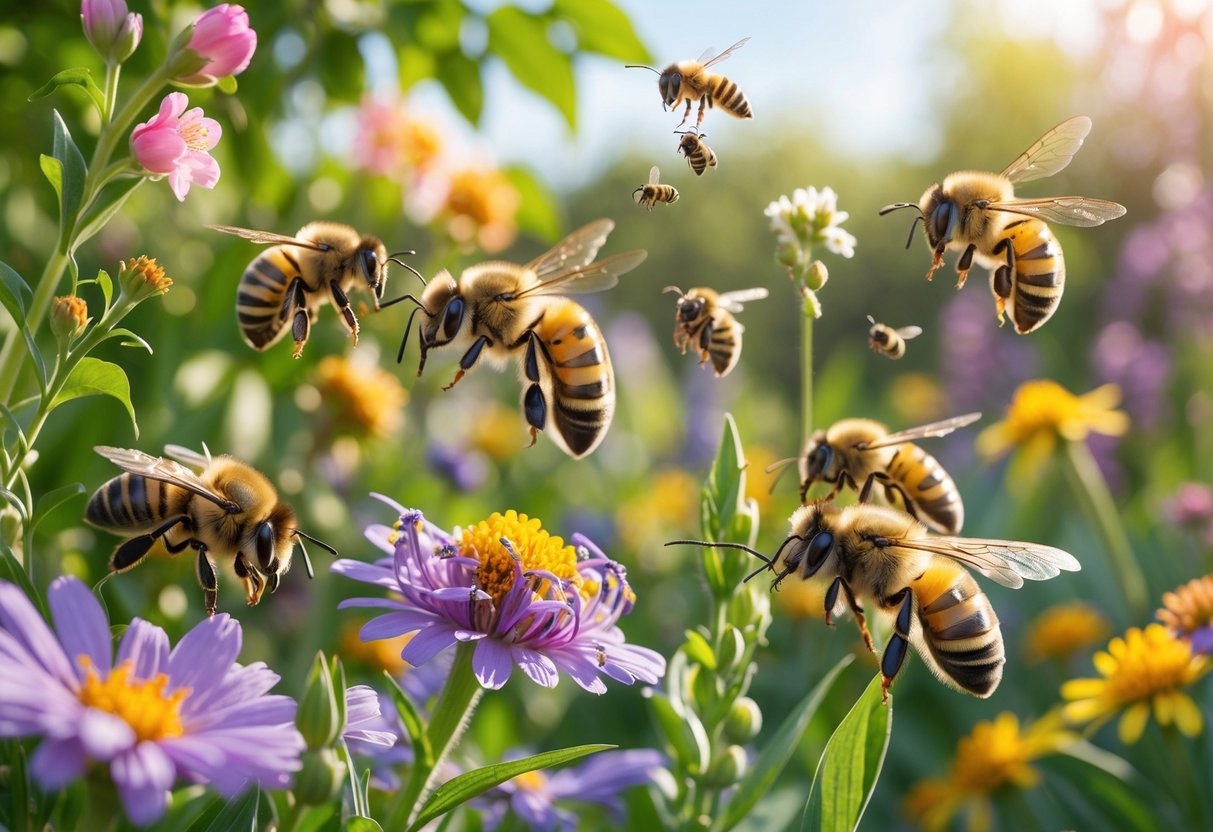
You’ll find all kinds of bees, and each one interacts with your garden or home in its own way.
Some bees help plants by pollinating, while others might damage wood or act more aggressively.
Honeybees and Their Contribution
Honeybees get a lot of credit for honey and beeswax, but their real superpower is pollination.
They help plants grow fruits and veggies by moving pollen from flower to flower.
You’ll often find honeybee colonies in hives, working together in a pretty organized way.
These bees usually act gentle and don’t sting unless they feel threatened.
Their pollination keeps biodiversity strong and boosts your garden’s productivity.
Thanks to honeybees, you get better crops and even wild plants thrive.
Many farmers count on them for healthy food production.
If you want more details, here’s a good read: What Bees Are Good And Bad?.
Carpenter Bees and Property Concerns
Carpenter bees look a lot like bumblebees, but they’re bigger and mostly black.
They dig holes in wood to build nests, which can mess up your decks, fences, or eaves over time.
This behavior can be a headache if you have lots of wooden structures.
Carpenter bees usually aren’t aggressive, but females can sting if you provoke them.
Males can’t sting, but they’ll buzz around loudly to defend their spot.
If you want to protect your property, you might need to seal up holes or use insect-repelling treatments to keep them from nesting.
Want to dig deeper? Check out Good Bee, Bad Bee: What You Need to Know.
Mason Bees and Leafcutter Bees in the Garden
Mason bees and leafcutter bees are fantastic pollinators for your garden.
Mason bees use mud to build nests in tiny holes, while leafcutter bees snip pieces of leaves to make their brood cells.
Both types act gentle and hardly ever sting.
They boost your garden’s health by pollinating flowers, fruits, and veggies—sometimes even better than other bees.
These solitary bees don’t make honey, but they sure help your plants flourish.
If you want to attract them, set up nesting spaces and skip the pesticides.
Their knack for helping gardens bloom gets a nice write-up in 7 Good and 7 Bad “Bees” to Attract or Repel.
Africanized Bees and Aggressive Behavior
People often call Africanized bees “killer bees” because these bees defend their hives fiercely. If they sense a threat, they’ll react fast and attack in groups.
They don’t just sting once, either—they can sting several times, which makes them pretty dangerous if you bother them. Africanized bees spread fast, moving into new areas and sometimes causing real safety worries for both people and pets.
If you see these bees hanging around, it’s best not to mess with them. Reach out to pest control pros so they can take care of things safely.
Their stings might trigger serious reactions, so staying careful really matters. Want more details about their habits or risks? Check out 17 Types Of Bees, Ranked By Danger Level.


