
Ever noticed bees acting a bit more irritable than usual? You’re definitely not the only one. Bees usually get more aggressive at certain times of the year, especially when food gets scarce.
That shift in attitude helps them guard their hive and hunt down new food sources.
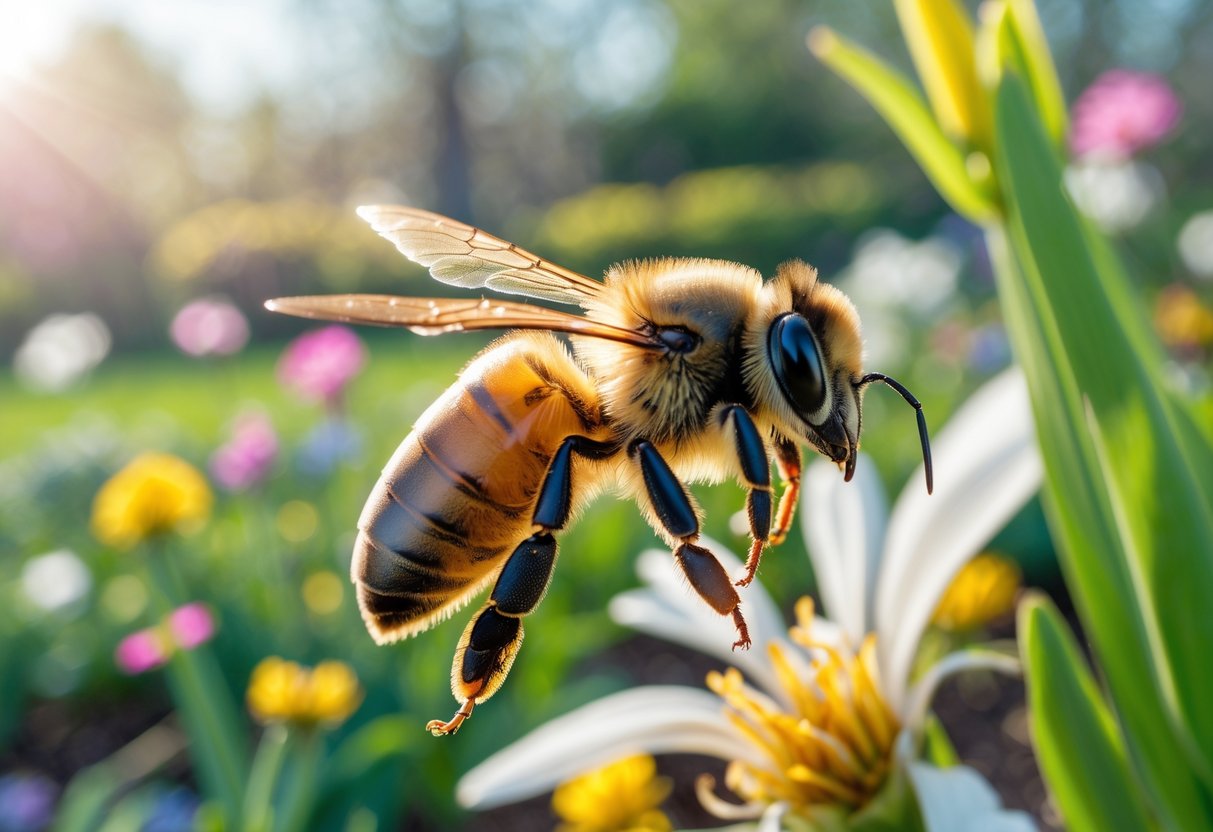
Honey bees are at their most aggressive from late summer into early fall. During this stretch, their numbers swell, and they hustle to gather supplies before winter hits.
This makes them extra defensive and more likely to lash out. If you know when bees get cranky, you can avoid stings and keep yourself out of trouble.
It’s actually pretty interesting how these seasonal swings in behavior help bees survive and protect their colonies. If you spend time outside or work with bees, it’s a handy thing to know.
Curious about why bees get so grouchy in late summer? You might want to read up on how bees become aggressive in late summer.
Seasonal Patterns in Honey Bee Aggression

Honey bees change their aggression depending on the season and what the colony needs. These shifts help them protect the hive and manage growth.
You’ll see more defensive behavior when they swarm in spring. In summer, they guard their food fiercely. Weather and food shortages mix things up too.
Spring Swarming and Defensive Behavior
In spring, honey bees get busy growing the colony by swarming. Swarming happens when part of the hive takes off with the queen to find a new home.
During this stretch, worker bees get especially protective of the hive and their queen.
Swarming leaves bees feeling exposed, so they defend more aggressively. If you get close, expect extra buzzing or maybe a sting.
European honey bees do this, but Africanized honey bees can be even more intense.
Beekeepers keep an eye out for swarming signs every spring. Handling hives gently during this time usually helps avoid stirring up the bees.
Summer Hive Defense
Summer brings peak bee activity and a big push to defend the hive. Colonies get huge, and workers stand guard over honeycomb and stored honey.
Bees act tough to keep their food safe.
As temperatures rise, bees move around more. If they sense a threat, they’ll get aggressive fast.
Late summer is famous for more bee stings, especially near hive entrances.
It’s smart to avoid loud noises or sudden moves around hives in summer. Africanized honey bees stay aggressive all year, but they really ramp it up during this time.
Environmental Triggers of Aggression
Weather and food availability can really set off bee aggression. Cooler mornings usually make bees more defensive, since they’re less active.
When natural food runs out in late summer or early fall, bees start searching for sugar anywhere they can find it. This search can make them act more aggressively as they protect the hive and hunt for food.
Diseases, stress, and things like colony collapse disorder (CCD) can also change how bees act. Stressed-out hives get feisty, and if things get bad, it might even lead to queen loss or the whole colony collapsing.
If you keep an eye on these triggers, you’ll have a better shot at avoiding angry bees and keeping your hive calm. For more details, check out why bees become aggressive in fall.
Influencing Factors and Risks of Aggressive Honey Bee Behavior

Honey bees can get aggressive for all sorts of reasons—weather, genetics, or even how people mess with them. If you figure out what sets them off, you’ll dodge more stings and keep yourself and the bees safer.
Impact of Weather and Climate
Weather swings really change how honey bees act. When it’s hot and dry, flowers don’t make much nectar or pollen, which stresses bees out.
If food gets scarce, expect your bees to get more defensive. Storms or big winds can freak out the hive too.
Climate change doesn’t help. Weird weather—hotter days, unpredictable rain—throws pollinators like honey bees for a loop.
Bees defend their hive harder when the weather gets tough.
Cold or rainy days usually keep bees inside and less aggressive. But as soon as the weather clears, they might snap right back to defending the hive.
Role of Bee Species and Genetics
Not every honey bee acts the same. Some species and strains are just naturally more aggressive.
The queen’s genetics shape how the whole colony behaves. Bees bred for honey production tend to be calmer, but those bred to survive rough conditions can act much tougher.
Aggressive traits can pass down through generations. If you buy bees with a mean streak, your colony could be a handful.
Other pollinators—bumble bees, carpenter bees, hornets, wasps—have their own levels of aggression. Honey bees mostly care about defending their hive, but if your colony loses its queen or gets hit by mites or disease, things can get tense fast.
Human Activities and Aggression Triggers
How you behave around a hive really shapes bee behavior. Sudden movements, loud noises, or even a bit of vibration might set them off.
Beekeepers need to wear the right protective gear. It’s not just about avoiding stings—some folks can have severe allergic reactions, even anaphylaxis.
If you use insecticides or pesticides near your hive, you’re putting bees at risk. These chemicals stress the colony and can make them more aggressive.
Chemicals also hurt pollinator numbers, which means less honey and fewer pollinated plants. That’s not great for anyone, honestly.
When you disturb a hive—especially if you’re collecting nectar or honey—bees get defensive fast. It helps to clear out hornets and wasps nearby since they compete with or attack honeybees.
Tips to reduce risks:
- Move slowly and calmly near hives
- Don’t use chemicals where bees forage
- Watch for signs of queen loss or disease
- Always wear protective clothing and gloves
Staying aware of these triggers can help you protect yourself and keep your colony healthier.
Want to dig deeper? Check out this guide to honey bee aggression.


