
When you think of owls, especially the barn owl, you might wonder about their meaning and whether they bring luck. Barn owls are often seen as symbols of wisdom and mystery, but opinions about their luckiness vary. Some cultures believe these silent hunters can be omens of bad luck, while others view them as signs of good fortune and protection.

As you explore the symbolism behind barn owls, you’ll find that their nighttime habits and wise appearance contribute to their mystique. While many people share superstitions about sightings and omens, understanding these beliefs can deepen your appreciation for these beautiful birds.
In this blog post, you’ll discover what different cultures say about barn owls, the meanings attached to them, and whether you should consider them lucky or not. Get ready to uncover the fascinating stories and beliefs surrounding these amazing creatures!
Barn Owl Symbolism Across Cultures

The barn owl holds different meanings in various cultures. These beliefs often relate to wisdom, intuition, and connections to the spiritual world. Understanding these perspectives can enrich your appreciation for this remarkable bird.
Greek Mythology and Athena
In ancient Greece, the barn owl is closely associated with Athena, the goddess of wisdom. People believed that the presence of the owl signified protection and guidance. The owl’s ability to see clearly in the dark represented insight and knowledge.
Athena was often depicted with a barn owl, symbolizing her connection to intelligence and strategy. This connection made the owl a powerful symbol in Greek culture. You can see how this thoughtful bird became a representation of learning and clarity in daily life.
Native American Traditions and Beliefs
In Native American culture, the barn owl is viewed as a messenger and a protector. Many tribes believe that the owl’s call can signify important changes or transformations. It is thought to bridge the gap between the physical and spiritual worlds.
Owls are often seen as guides for souls, helping them find their way. The barn owl’s nocturnal nature enhances its mystique and spiritual role. This deep connection to the spirit world gives the barn owl a unique place in Native American traditions.
Egyptian and Chinese Perspectives
In ancient Egypt, the barn owl symbolized death and the afterlife. It was frequently depicted in art alongside the goddess Isis, who was associated with fertility and motherhood. The owl’s role as a protector of souls further strengthened its significance in Egyptian culture.
In contrast, Chinese symbolism often links owls to wisdom and protection. Some believe that seeing a barn owl can bring good luck or safeguard your home. Each culture’s perspective provides valuable insights into how the barn owl is viewed across time and geography.
The Metaphysical Meanings of Barn Owls
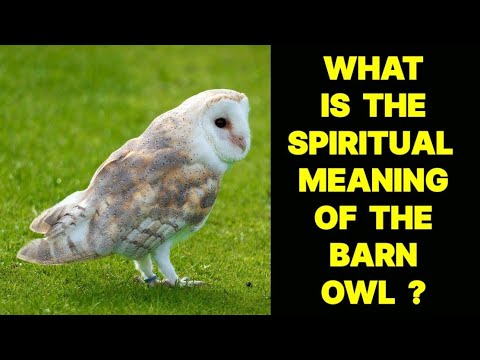
Barn owls hold deep metaphysical meanings that can resonate with your spiritual journey. They offer guidance through their symbolism related to intuition, transformation, and the mysteries of life and death.
Spirit Animals and Totem Significance
When barn owls appear in your life, they may signify that they are your spirit animal. This connection can guide you towards deeper inner wisdom. As totems, they represent your ability to listen and perceive knowledge that is often hidden.
Owls are known for their keen senses, which encourage you to trust your instincts. This spirit animal reminds you to be aware of your surroundings and the messages they carry. You might find that when you align with the barn owl’s energy, you become more in tune with your spiritual growth.
Intuition and Insights into the Unknown
The barn owl fosters a connection to your intuition. Its silent flight and ability to see in the dark symbolize the capacity to navigate through life’s uncertainties. You may find that trusting this intuitive voice leads you to hidden knowledge.
When you face situations cloaked in mystery, the owls remind you to listen closely to your inner feelings. Those moments when doubt creeps in can prompt you to rely on your gut instincts. By embracing this intuition, you can uncover insights that may guide your decisions.
Death, Transformation, and Rebirth
In many cultures, barn owls are associated with death and transformation. They signify change and transition, often appearing at critical junctures in your life. When you see a barn owl, it may symbolize an ending that leads to new beginnings.
This connection can help you embrace the concept of rebirth, suggesting that each ending is a chance for renewal. Accepting change can foster growth, allowing you to move forward with wisdom. The symbolism of the barn owl can remind you that navigating these transformations can lead to profound spiritual insights.
Associations with Luck, Wisdom, and Protection

The barn owl is often linked to various feelings of fortune, wisdom, and protective energy. These associations vary across cultures and folklore, offering you a rich tapestry of meaning to explore.
Good Luck and Fortune in Folklore
In many cultures, the barn owl is thought to bring good luck and fortune. For instance, in some parts of Asia, seeing a barn owl is considered a sign of blessings and prosperity. People believe that these owls attract wealth and can lead to positive changes in life.
Some superstitions claim that having barn owl feathers can ward off bad luck. In the past, people even nailed owls to barn doors to protect against evil spirits. This practice reflects the deep-rooted belief in the barn owl as a good luck charm.
Wisdom and Intelligence in Literary Works
The barn owl symbolizes wisdom and intelligence in many literary traditions. Writers have often portrayed owls as knowledgeable creatures that offer guidance. In your life, this can translate to seeking deeper understanding and insight.
This bird is seen as a mentor in difficult times, helping you find clarity amid confusion. The association with listening is also essential. Just as the barn owl listens intently for prey, you are encouraged to listen to your inner voice for guidance and opportunities.
Protection from Evil and Adversity
Barn owls are also known as protectors against evil and adversity. In various Native American cultures, they serve as guardians that shield you from negative forces. Their silent flight symbolizes stealth and vigilance, making them excellent protectors.
When you see a barn owl, it is believed you are being watched over. This belief offers comfort during challenging times, reminding you that support is never far away. These associations with protection reinforce the idea that the barn owl is more than just a bird; it’s a symbol of safety and security in your life.
Unique Characteristics of the Barn Owl

Barn owls have many fascinating traits that you may find intriguing. Their physical features, nocturnal habits, and adaptability make them unique creatures in the owl family.
Physical Traits and Their Symbolic Meanings
The barn owl has a distinct appearance that sets it apart. Its heart-shaped face and dark hollow eyes not only help it hunt but also give it an air of mystique. The white feathers paired with tan markings create a beautiful contrast, often symbolizing purity and wisdom in various cultures.
Their silent flight is another remarkable trait. This allows them to glide through the night without making a sound. This feature symbolizes stillness and the ability to see through deception, traits valued in many folklore stories associated with witchcraft and wisdom.
Nocturnal Behavior and Silent Flight
Being nocturnal, barn owls thrive in the darkness. Their incredible night vision helps them navigate and hunt effectively while others sleep. You may notice how they rely on their acute hearing to locate prey in total silence.
This ability to fly silently is key to their hunting success. They can swoop down on unsuspecting rodents and other small mammals. Such behavior emphasizes their role as effective predators, showcasing resilience and productivity in their ecosystems.
Adaptability and Ecological Significance
Barn owls exhibit remarkable adaptability to different environments. They can thrive in forests, fields, and even rural areas. This flexibility in habitat selection ensures they can find places to roost and nest.
Their ecological importance is also highlighted by their role in controlling rodent populations. By managing these populations, barn owls help maintain balance within their habitats. This, in turn, supports the overall health of ecosystems, making them vital players in the web of life.


