
When you see a barn owl, you might notice how they often turn their heads in surprising ways. Owls, including barn owls, have a unique ability to rotate their heads up to 270 degrees. This helps them see in various directions without moving their bodies. This impressive neck movement is necessary because their eyes are fixed in place, meaning they can’t move them like humans can.

Understanding why barn owls bob and twist their heads can deepen your appreciation for these fascinating creatures. They use this head turning not just for viewing their surroundings, but also to locate prey during their nighttime hunts. With their exceptional vision, they can detect even the slightest movement in the dark, making them skilled hunters.
As you read on, you’ll discover more about how these amazing birds use their head-turning abilities and how it helps them survive in the wild. You’ll learn about their hunting techniques and other interesting facts that highlight the barn owl’s role in the ecosystem.
Anatomical Adaptations of the Barn Owl

Barn owls have unique anatomical features that help them move their heads and see clearly. Their bodies are built for hunting in low light, and turning their heads is crucial for spotting prey. Let’s explore the special adaptations that enable this.
Flexible Necks and Vertebral Structure
One of the most remarkable features of a barn owl is its flexible neck. Unlike humans, barn owls have up to 14 cervical vertebrae. This gives them a greater range of motion. They can rotate their heads about 270 degrees! The extra vertebrae allow for amazing flexibility. Transverse foramina, which are small openings in the neck bones, house important vertebral arteries. These arteries supply blood to the brain, making head rotations safe.
With this setup, you can see how barn owls maintain proper blood flow. The advanced vascular structure supports their sight and movement. This flexibility helps barn owls scan for movement without needing to move their bodies.
Unique Skeletal Features
Barn owls have several unique skeletal features that enhance their ability to turn their heads. Their large eyes are set in deep eye sockets, allowing for excellent vision. This design helps them spot prey in dim light.
The bones in their skull are lighter, which aids in balance during head movements. Air pockets within their bones make them lighter and support more effective head rotation. Their muscular structure also plays a huge role in head movement. Strong muscles work with their unique skeletal setup.
These adaptations all contribute to the barn owl’s ability to watch for prey effectively. They can turn their heads, keeping track of everything happening around them.
Physiological Basis for Head Turning
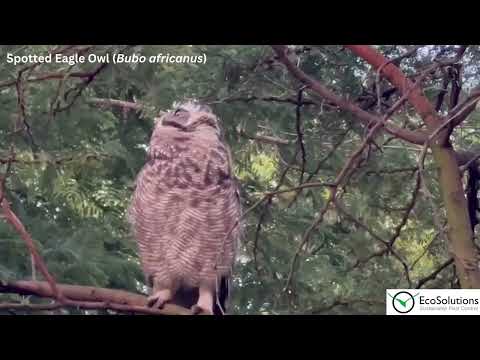
Barn owls have unique adaptations that allow them to rotate their heads significantly, giving them excellent vision and blood supply management during these movements. Understanding how these features work together helps explain why head rotation is so important for these owls.
Blood Supply Preservation During Head Movement
When barn owls turn their heads, it’s crucial that their blood supply remains consistent. They have special adaptations in their blood vessels that facilitate this.
The vertebral artery plays a significant role. During head rotations, it allows for continuous blood flow to the brain, reducing the risk of a stroke. CT scans and angiography show that the artery can adapt its shape. This allows for flexibility while ensuring that the brain receives necessary blood. Maintaining a steady blood supply is vital as any interruption could impact their hunting abilities.
Sensory Advantages of Head Rotation
Owls, including barn owls, benefit greatly from their ability to rotate their heads up to 270 degrees. This ability enhances their binocular vision and depth perception.
With their large eyes, they can fixate on prey without moving their bodies. This is crucial for spotting movement in their peripheral vision. When they turn their heads, they can gather more information about their surroundings, making them effective hunters.
This wide range of head movement lets barn owls adapt to various situations, increasing their chances of catching prey.
Hunting and Survival Strategies

Barn owls have developed unique hunting techniques that enhance their ability to find and catch prey. Their keen eyesight and specialized head movements make them effective nocturnal hunters. Understanding these strategies can help you appreciate the adaptations that contribute to their survival.
Visual Acuity and Prey Detection
Barn owls are known for their excellent visual acuity. They possess large eyes that are optimized for low-light conditions. Unlike many other owl species, their eyes are fixed in their sockets, so they must turn their heads to change their view. This head movement allows them to triangulate the exact location of their prey, improving their depth perception.
When hunting, barn owls rely heavily on their binocular vision. This gives them a better understanding of distance when spotting mice or other small animals in the grass. Additionally, their peripheral vision helps them detect movement from various angles, ensuring they don’t miss anything. Their ability to see well in dim light sets them apart from many predators that hunt during the day.
Comparative Analysis with Other Raptor Species
When we compare the barn owl to other birds of prey like hawks and falcons, we see that the barn owl’s hunting style is notably different. Hawks often rely on visual scanning from above, but barn owls prefer to hunt from low altitudes. Their silent flight allows them to approach prey without being detected.
Great horned owls and great gray owls also have different adaptations for hunting. Great horned owls are larger and can hunt larger prey, while great gray owls excel in open areas, relying on sound more than sight. Barn owls, on the other hand, combine excellent eyesight with quiet movement, making them unique among owl species.


