
When you’re eager to spot barn owls, timing is everything. Barn owls are most active during dawn and dusk, when their hunting activities peak. These nocturnal creatures are known for their stunning flight displays as they search for small mammals in open fields and meadows.

If you’re out and about during these hours, keep your eyes peeled for the graceful movements of these beautiful owls. Their unique plumage allows them to blend in with the surroundings, making the early morning or late evening the ideal moments for a sighting. You might also catch a glimpse during the full moon, which provides better visibility at night.
The more you know about their habits, the better your chances of spotting them. Whether you’re a dedicated birdwatcher or just starting, understanding when barn owls are most active will enhance your experience in nature.
Understanding Barn Owl Behavior
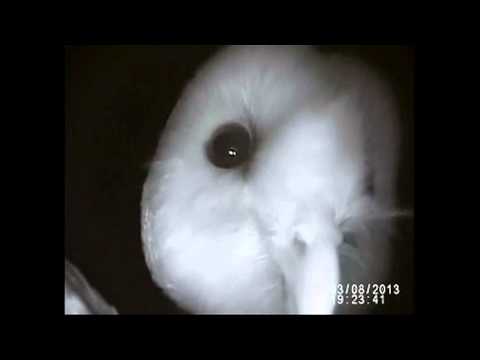
Barn owls are unique creatures with specific hunting and nesting habits. By learning about their behavior, you can better understand when and where to spot these fascinating nocturnal hunters.
Nocturnal Predatory Patterns
As a nocturnal species, barn owls are most active during the night. They hunt primarily at dusk and dawn, taking advantage of low light to catch their prey. This time is ideal for you if you want to observe them.
Barn owls have excellent night vision. Their large, round eyes are adapted to see in the dark and are very sensitive to movement. They hunt mostly small mammals like mice and voles.
Instead of hooting like other owl species, barn owls produce a unique, eerie screech. Listening for this call can help you locate them in the wild. They tend to fly slowly and silently, gliding just above the ground.
Seasonal Activity Changes
The behavior of barn owls can change with the seasons. During warmer months, you might see them more frequently as they are active throughout the night. Their hunting may peak around the nesting season, which typically occurs in spring.
In winter, their hunting patterns can shift. Barn owls may become less active due to the cold and reduced prey availability. You’ll find them nesting in sheltered spots like old barns or hollow trees.
Knowing these seasonal habits can help you plan your outings. If you go during spring evenings, your chances of observing them soar.
Prime Viewing Times and Conditions

Knowing the right time and conditions to see barn owls greatly enhances your chances of a sighting. Barn owls are most visible during specific hours and are affected by seasonal changes and weather conditions.
Best Hours for Observing Barn Owls
The best time to see barn owls is often around dusk and dawn. These twilight hours provide good visibility as the sun sets or rises, making it easier for you to spot them.
Barn owls engage in hunting activities during these times. They tend to be most active in the early evening and early morning.
If you want the best chance for a sighting, plan your outings during these hours. Peak activity occurs when it’s still light enough to see, yet dark enough for the owls to hunt effectively. Also, consider the full moon nights, as they illuminate the landscape, which can help you spot these birds more easily.
Weather and Seasonal Influences
Weather can significantly impact your viewing experience. Calm and clear nights are ideal because owls rely on their keen hearing and vision to find prey.
In addition, seasonal variations play a role in owl activity. During the nesting season from March to July, adult barn owls are often seen hunting to feed their chicks. This increases your chances of spotting them as they search for food.
During winter, barn owls might be more visible as they forage to find food. Even in winter, ensure you check for clear weather to improve your chances of a successful sighting.
Ideal Locations for Spotting Barn Owls

Finding the right spots to see barn owls can be exciting. These birds tend to prefer specific habitats that you can look for when searching. Pay attention to farmland, marshes, and nature reserves, as they are crucial for spotting these beautiful creatures.
Identifying Barn Owl Habitats
Barn owls thrive in open spaces with plenty of cover for hunting. Look for farmlands where you can find fields of tall grass or crops. These areas provide the perfect place for them to hunt small mammals like voles and mice.
Marshes are another great spot. The water can support various prey, making it easier for barn owls to find food.
Nature reserves often have a mix of these habitats, offering the best chances to see barn owls. You might want to visit during dawn and dusk for the best viewing times.
Regional Variations in Owl Populations
In the United States, barn owls are found widely in agricultural areas. They favor regions with ample open land and few trees.
In contrast, Australia has specific areas where barn owls thrive, such as grasslands and woodlands.
Remember, your local habitat conditions can impact where these owls roost and hunt. Knowing these regional differences can help you find the best places to observe barn owls effectively.
Equipment and Tips for Owl Watching

When you set out to watch owls, having the right equipment can make a big difference. Here’s what you need to bring along for a successful trip.
Essential Gear
- Binoculars: A good pair of binoculars will help you see owls from a distance. Look for ones with at least 8x magnification.
- Spotting Scope: For even closer views, a spotting scope is great. It allows you to observe details without disturbing the owls.
- Field Guide: Bring a field guide to help you identify different owl species. This can enhance your bird-watching experience.
Tips for Success
- Be Quiet: Owls rely on silent flight to hunt. If you are noisy, you may scare them away.
- Choose the Right Time: Dawn and dusk are the best times to see barn owls. They are most active during these hours.
- Select Good Locations: Visit places like farmlands, meadows, or marshes where owls are known to reside.
Additional Considerations
-
Dress Appropriately: Wear layers to stay warm during chilly mornings or evenings.
-
Stay Patient: Owl watching may take time. Be still and patient to increase your chances of spotting them.


