
Coyotes have a reputation for being scary, but are they really that violent? Honestly, coyotes rarely get violent with people, and attacks on humans almost never happen. Most of the time, these wild animals just want to avoid us. They really only act aggressive if they feel trapped or threatened.

If you spend time outside or live near the woods, you might worry about coyotes and your kids or pets. Coyotes can be bold and sometimes go after small animals, but they hardly ever attack adults or children.
Knowing when and why coyotes might get aggressive actually helps you keep your family safe.
There’s a lot of confusion about coyote behavior, but most encounters end without any issues. Still, it’s smart to give them space and not invite trouble.
How Violent Are Coyotes and What Drives Their Aggression?
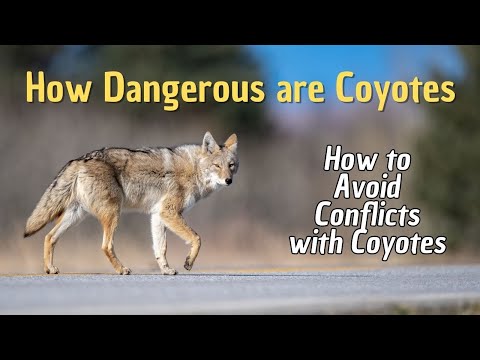
Coyotes sometimes act aggressive, especially if they feel threatened or want to protect their territory. If you know what sets them off, you can avoid risky situations.
Coyote Aggression Explained
Coyotes usually keep away from people and other animals. When they do act aggressive, they’re mostly just trying to protect themselves, not looking for a fight.
You might see them growl, show their teeth, or make loud noises as a warning. Most fights between coyotes and other animals happen during mating season or when they’re defending their space.
They use these warning signs to avoid real fights. So, what looks like violence is really just them saying, “Back off,” especially if they’ve got pups or food nearby.
Typical Triggers for Aggressive Behavior
Coyotes act aggressive for a few main reasons:
- Protecting their pups or den
- Defending their territory from intruders
- Searching for food when it’s hard to find
- Feeling threatened by people, pets, or other animals
During mating season or when raising pups, coyotes get extra defensive. If a coyote thinks you or your pet might hurt its family or take its food, it’ll try to scare you away.
When Are Coyotes Most Aggressive?
Coyotes act up more during certain times of the year. Mating and pup-raising seasons are when you’ll see the most aggression.
They’re also more active at dawn and dusk, so those are the times to watch out. In cities or suburbs, coyotes can get used to finding food near people and might act bolder.
You’ll sometimes see them hanging around parks, yards, or even playgrounds during the day. Staying alert during these times makes it easier to keep your pets safe.
Coyote Attacks on Humans and Pets
Coyote attacks on humans almost never happen, but sometimes they do, mostly to small kids or pets. Coyotes usually go after smaller animals like cats or small dogs.
If you’ve got pets, keep an eye on them in the early morning or late afternoon—those are coyote rush hours. Most attacks happen when a coyote feels cornered or when it’s lost its natural fear of people because someone’s been feeding it.
If you spot a coyote acting aggressive near your home, it’s smart to act before things get worse. For more on coyote aggression and what to do, check out this guide: 7 Steps of Coyote Aggression.
Urban vs. Wild Coyotes: Differences in Danger and Behavior

Coyotes living in cities don’t act quite the same as those out in the wild. Where they live changes how close they get to people, how they hunt, and how aggressive they might be.
Urban Coyotes and Human Encounters
Urban coyotes hang out near people and figure out how to get food from trash or pet bowls. Because of this, they sometimes lose their fear of humans and get a little too bold.
You’ll usually see urban coyotes at night, but they might attack small pets if you leave them outside alone. Space and food are tight in cities, so coyotes there can defend their turf even more fiercely.
To keep coyotes away, bring pet food inside, lock up your trash, and watch your pets. These simple steps make your yard less interesting to coyotes. For more info, check out Urban Coyotes as a Source of Conflict with Humans.
Rural Coyote Behavior Patterns
Coyotes in wild areas usually hunt alone or with a buddy. They stick to small animals like rabbits or rodents and stay away from people.
In rural spots, coyotes defend their space but don’t bump into people very often. Their aggression goes up during mating or when they’re raising pups, mostly to protect their young.
Other predators, hunters, or bad weather usually cause their deaths out there, not cars like in the city. For a deeper dive on rural vs. urban coyotes, check out this PDF Coyotes: Rural and Urban – Hill Country Naturalist.
Comparing Coyotes to Other Wild Animals
Coyotes are smaller than wolves and way more flexible, so they can squeeze into all kinds of environments. Wolves, on the other hand, usually stick with their pack and hunt in groups.
Coyotes use yips, barks, and those sharp howls to talk to each other, whether they’re warning about danger or just trying to find a mate. Wolves prefer those long, drawn-out howls to keep their pack together—kind of classic, right?
You’ll probably notice coyotes acting more aggressively when they’re fighting for food or space. Unlike some other wild animals that count on sheer strength or big numbers, coyotes just get scrappy. If you want to dig deeper into how their behavior stacks up, check out Why Are Coyotes So Violent? Understanding Their Aggressive Behavior.


