
Ever stared at a buzzing insect and wondered, “Wait, is that a wasp or a bee?” You’re definitely not alone.
These little guys look a lot alike, but trust me, there are some real differences in how they look, act, and even where they set up their homes.
Honestly, the quickest way to figure it out is by checking their shape: bees are fuzzy, round, and chunky, while wasps show off smooth, skinny bodies with those dramatic, pinched waists.
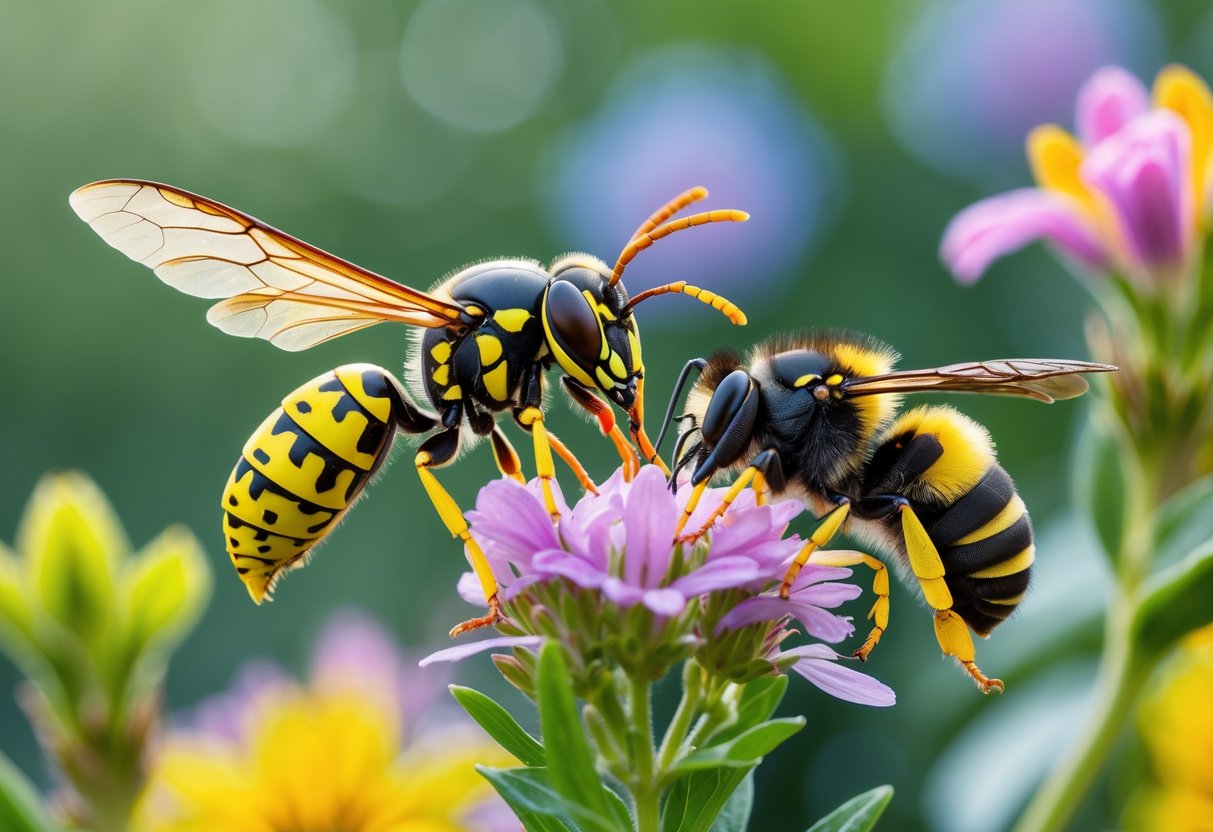
Wasps get a reputation for being more aggressive, and they can sting you more than once.
Bees, on the other hand, usually only sting once—and then, well, that’s it for them.
Their nests? Totally different.
Bees build waxy hives with those classic honeycomb patterns.
Wasps chew up wood or mud to make papery nests.
If you know these basics, you can avoid a lot of trouble and maybe even appreciate these insects a bit more.
Curious about other ways to tell them apart? Keep going.
You’ll find tips on telling them apart by color, how they fly, and what they actually do for the environment.
How To Tell A Wasp From A Bee
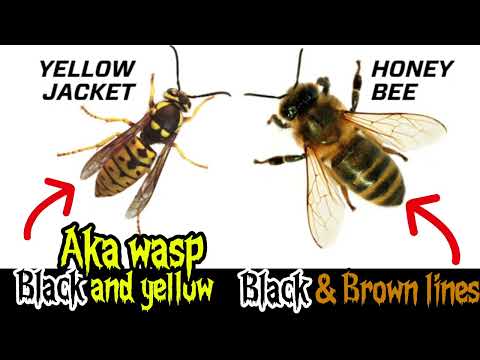
You can spot the difference between a wasp and a bee if you look closely at their bodies, colors, how they act, and where they hang out.
These clues help you figure out if you’re seeing a honey bee, a bumblebee, or maybe a yellowjacket wasp.
Physical Appearance and Body Shape
Wasps stand out with slim, smooth bodies and a tight “waist” between their chest and abdomen.
Their legs look long and their bodies are built for speed.
Bees, like honey bees and bumblebees, have thick, fuzzy bodies.
That fuzz isn’t just for show—it helps them collect pollen.
Their bodies look rounder, and their legs are flat and hairy, not skinny like a wasp’s.
Carpenter bees might trick you at first, since they look like bumblebees, but their abdomens are shiny and mostly hairless.
Color Patterns and Markings
Wasps, like paper wasps, yellow jackets, and hornets, usually wear bold, shiny colors—think bright yellow and black.
Their stripes or patterns really pop.
Bees usually have softer, warmer colors.
Honey bees look amber and brown with pale stripes.
Bumblebees show off fuzzy black and yellow patches, but their colors don’t have that sharp, high-contrast look you see on wasps.
Asian giant hornets? They’re huge and more orange, with dark stripes.
Behavioral Differences
Wasps act a lot more aggressive.
They’ll zip around quickly and might seem unpredictable, and they can sting you as many times as they want.
Bees, though, usually keep to themselves unless they feel threatened.
Honey bees only sting once—and then they’re done, since they lose their stinger.
Bumblebees move slowly, gathering pollen, and don’t seem to care much about people.
Mud daubers and paper wasps mostly ignore humans and rarely sting unless you really bother them.
Nesting Habits and Locations
Bees build waxy hives with neat hexagonal cells.
Honey bees live in big colonies inside hollow trees or human-made hives.
Bumblebees prefer to nest in the ground or tuck themselves into small spaces.
Wasps, though, chew up wood and mix it with spit to make papery nests.
Yellow jackets build their nests underground or sometimes inside walls.
Paper wasps hang open nests from eaves or branches.
Mud daubers use mud to make little nests on walls or under eaves.
Hornets build big, papery nests up in trees or shrubs, usually way off the ground.
Roles in Nature and Stinging Behaviors

Bees and wasps both matter in nature, but they don’t do the same jobs.
You can think of bees as the friendly pollinators, while wasps are more like nature’s pest control.
They both sting, sure, but their stings and how they act can be pretty different.
Pollination and Ecological Importance
Bees—especially honeybees—are super important for pollination.
They collect pollen and nectar from flowers to make honey.
While they do this, pollen sticks to their fuzzy bodies and helps plants reproduce.
Without bees, a lot of fruits, veggies, and flowers would really struggle.
Wasps don’t help with pollination as much.
They’ll visit flowers sometimes, but they don’t have the hairy bodies that make bees so good at carrying pollen.
So, while wasps add a little, you mostly rely on bees for growing food and keeping plants healthy.
Natural Pest Control and Predatory Roles
Wasps do a great job controlling pests.
They hunt insects like caterpillars, flies, and other bugs that mess up your garden or crops.
By eating these pests, they help keep things balanced—no chemicals needed.
Bees don’t bother with hunting.
They stick to nectar and pollen.
So, while bees are out there helping plants, wasps are busy protecting plants from harmful bugs.
If you’re a gardener or a farmer, you might actually appreciate wasps for this reason.
Sting Differences and Aggression
Bee stings and wasp stings just don’t feel the same—they cause different reactions too. Honeybees leave a barbed stinger in your skin when they sting you.
That stinger keeps releasing venom until you pull it out. The bee usually dies after stinging, which is kind of sad if you think about it.
Wasps, on the other hand, have smooth stingers. They can sting over and over without a problem.
Wasps also act more aggressive, especially if you wander too close to their nests. Bees mostly sting as a last resort, only when they feel threatened.
So honestly, if you’re around stinging insects, it’s smarter to keep your distance—especially with wasps.
| Feature | Bee Sting | Wasp Sting |
|---|---|---|
| Stinger Type | Barbed (remains in skin) | Smooth (reusable) |
| Number of Stings | One | Multiple |
| Aggressiveness | Lower | Higher |


