
Finding bats in the walls of your house can be a startling experience. These creatures may seek shelter in your home, especially if they find a cozy spot in the walls.
To effectively get rid of bats, you should identify how they enter and safely exclude them from your space.
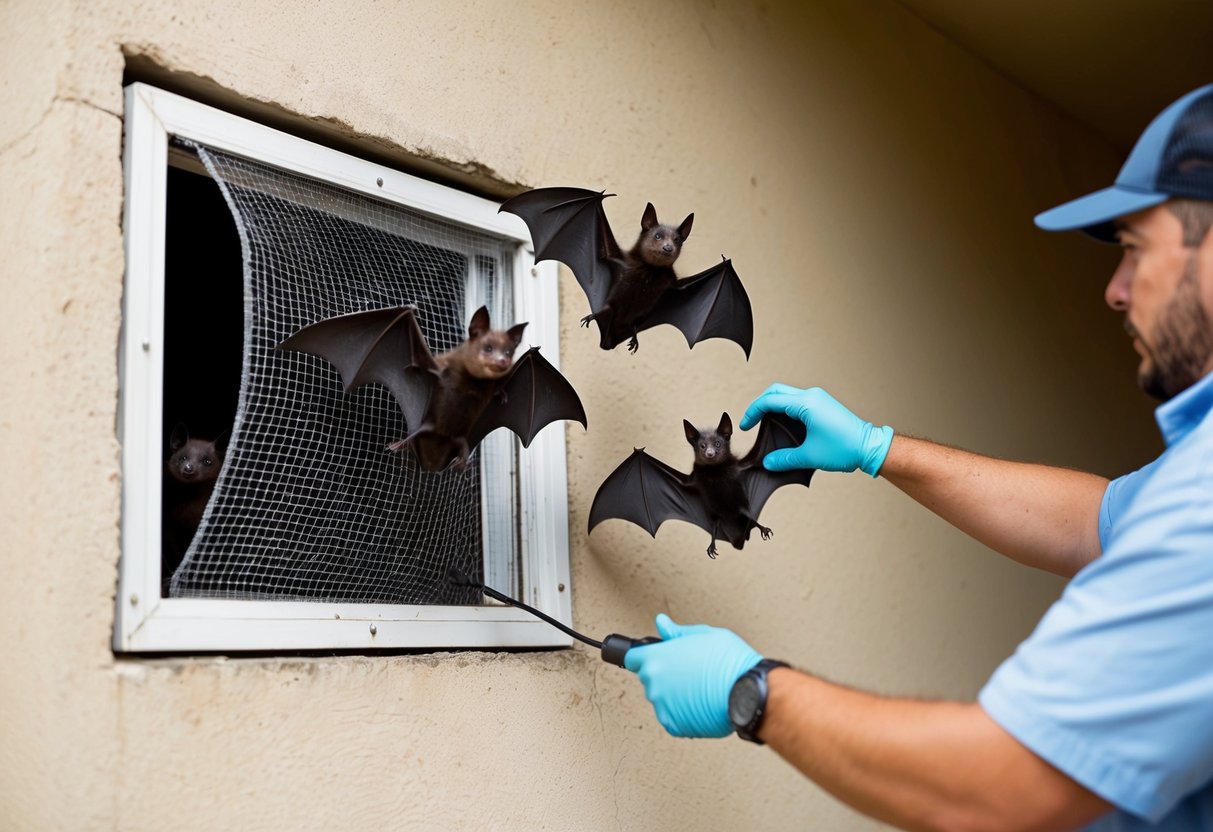
Once you know their entry points, there are various methods to encourage them to leave. You can use ultrasonic devices or play loud music to drive them out. It is also essential to seal those entry points to prevent future visits.
Keeping your home bat-free not only protects your living space but also ensures a more comfortable environment. Your safety and peace of mind are important, and taking the right steps can make all the difference.
Understanding Bat Behavior

Bats are fascinating creatures, but they can cause problems when they invade your home. Knowing the common species and the health risks they pose can help you manage the situation better.
Common Bat Species in Houses
The big brown bat and the little brown bat are two common species that often find their way into homes. They seek shelter in attics, walls, and other hidden spaces.
These bats prefer warm, dark areas to roost, making your house a suitable spot. They usually enter through small openings or cracks.
Being aware of their habits can help you spot potential entry points. Knowing which species are involved can also guide the removal process since some bats are protected by law.
Health Risks Associated with Bats
Bats can pose several health risks. One significant concern is rabies, a dangerous disease that can be transmitted through bites.
Another issue is histoplasmosis, an infection caused by a fungus in bat guano. This fungal infection can affect the lungs and cause serious health problems.
It’s important to avoid contact with bat droppings, as they can carry harmful pathogens. Regularly cleaning areas where bats have roosted can help reduce these health risks.
Taking these precautions will keep you and your family safer while addressing the bat issue.
Identifying and Assessing the Problem

Identifying a bat problem in your walls involves looking for specific signs and knowing how to assess the situation. Understanding where bats enter and their breeding patterns can help you take the right steps towards removal.
Signs of a Bat Infestation
The first step is to spot signs of a bat infestation. Look for bat droppings, known as guano, around your home. These droppings look like small, dark grains and can often be found near entry points, on walls, or in attics.
You may also hear sounds like high-pitched squeaks or scratching, especially at dusk. Bats are most active during night hours, so being alert during these times can help you identify their presence.
Foul odors can also signal bat activity, as guano can produce an unpleasant smell if it accumulates. Pay attention to any unusual noises or damage in your home, as these can be signs that bats are nesting in your walls.
Locating Bat Entry Points
Next, you’ll need to find how bats are entering your home. Bats can fit through surprisingly small gaps. Check around windows, vents, and roofs for any openings.
Using a flashlight can help, especially during dusk or dawn when bats are more likely to be active. Look for scratch marks or wear around these areas, as this indicates where bats might be coming and going.
You may want to consider using a soapy water solution to track entry points. Spray this solution around likely areas and observe any disturbances, like bat droppings or disturbed areas, to confirm your findings.
Understanding Maternity Season
It’s essential to understand maternity season when assessing your bat problem. This period usually lasts from May to July. During this time, female bats typically give birth and nurse their young.
If you suspect a bat infestation during this season, be extra cautious. It’s often illegal to remove them, as many species are protected. Recognizing this season means you might need to wait until the young are mature enough to leave before safely addressing the issue.
Monitoring bat activity is crucial. Once maternity season is over, you can begin planning safe and effective removal methods, ensuring both your home and the bats are treated with care.
Effective Bat Removal Strategies

Removing bats from your walls requires a combination of careful techniques and sometimes professional help. Here are some effective strategies to consider.
Exclusion Techniques for Bat Removal
Exclusion is a key method to get rid of bats effectively. First, identify how bats are entering your home. Look for small gaps or openings around windows, doors, or vents. Seal these entry points using materials like steel mesh or caulk.
Consider using a bat cone to allow bats to exit but not return. Place these cones at entry points. After a few days, once you’re sure all bats have left, seal the openings permanently.
Additionally, installing ultrasonic devices can deter bats. These devices emit sounds that are uncomfortable for bats but inaudible to humans. Combining these techniques enhances your chances of successful bat exclusion.
Natural and Chemical Repellents
Using repellents can also help prevent bats from returning. Natural solutions like peppermint oil or vinegar may deter bats when placed near their entry points. Simply soak cotton balls in these substances and place them around potential access areas.
If you prefer commercial options, look for bat repellents containing ingredients approved for wildlife control. Always apply these products according to the manufacturer’s instructions. Remember that repellents work best in combination with exclusion methods.
When to Seek Professional Bat Removal
Sometimes, the situation calls for a professional. If you notice a large bat colony, it’s best to seek professional bat removal.
Experts know the safe and effective methods to handle bats and ensure their safe relocation. If you are unsure about excluding bats or if you feel uncomfortable, don’t hesitate to call a pest control service specializing in wildlife control. They use humane and efficient strategies for bat removal, ensuring your home remains bat-free long-term.
Preventive Measures and Long-Term Solutions
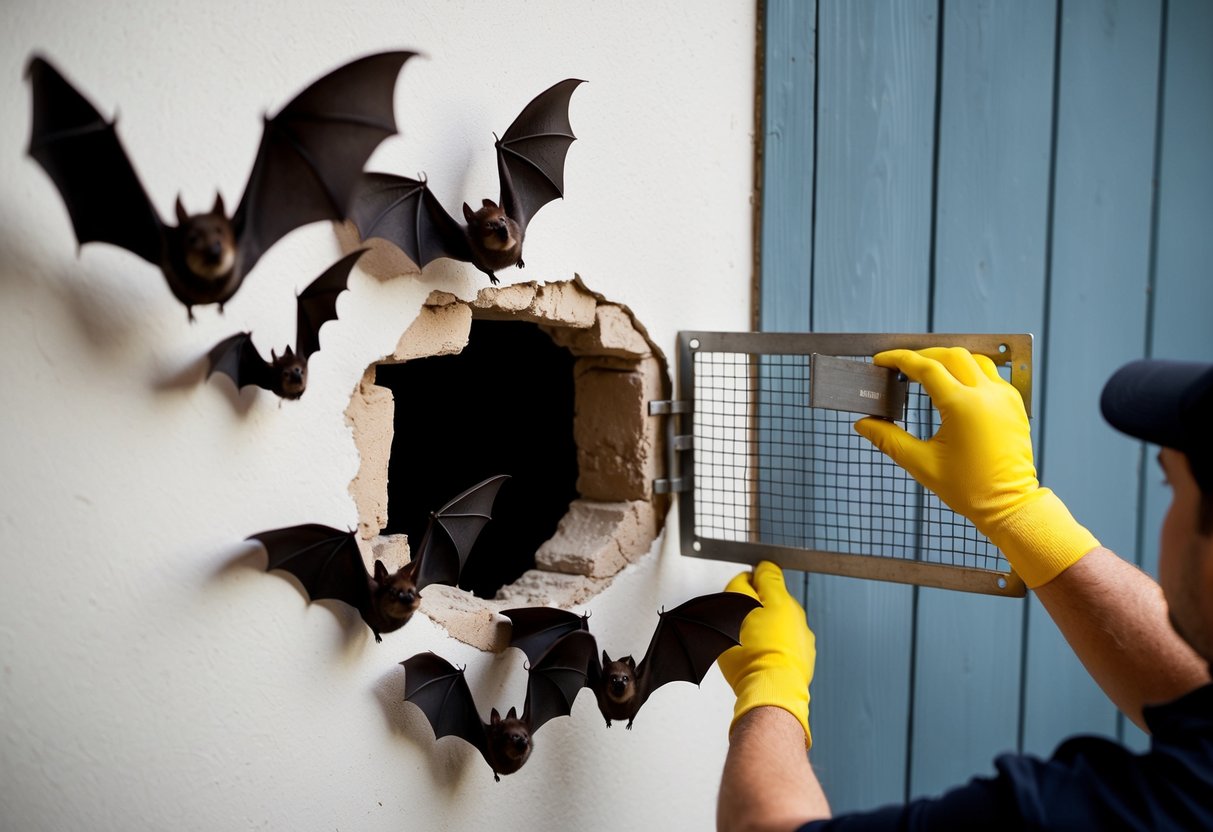
Preventing bats from entering your home can save you from structural damage and health risks. Taking action now will help keep your space bat-free in the long run.
Securing the Home against Future Bat Entry
To keep bats out, you need to identify and seal any entry points in your home. Start by checking gaps around windows, doors, vents, and the roof. Use caulk or mesh to fill these openings.
Inspect your attic and walls for any cracks. Regular maintenance will help prevent bats from finding their way inside.
Installing bright lights in attics or near entry points can deter bats, as they prefer dark spaces.
Using natural repellents like peppermint or lavender can also help. Spray these scents around areas where bats might enter. Wind chimes near potential entry points disrupt their environment, making it less appealing.
Alternative Solutions and Bat Houses
Consider installing a bat house away from your home. A bat house provides a place for bats to roost, which can help keep them from entering your structure. A bat house should be placed about 12-15 feet off the ground and in a sunny location.
If you discover baby bats or a bat colony, gently and safely remove them. You may also want to contact a professional. This way, you ensure it’s done without harm to the bats.
Creating a welcoming environment with plenty of natural repellents can discourage bats. Maintaining a clean area with no bat poop reduces the potential for attracting these common bat species.


