
If you’ve spotted a skunk hanging around your property, you probably want it gone—fast, but without causing harm. The best way to get rid of a skunk? Remove what attracts it, block its access to hiding spots, and try safe deterrents like lights, sounds, or scent repellents. These steps help keep skunks away and lower the risk of that awful spray they’re famous for.

Skunks usually wander at night, searching for things like fallen fruit, pet food, and bugs in your yard. If you secure your trash, clear out debris, and use products made to repel skunks, you’ll make your space less appealing.
If a skunk has taken up residence near your home, make sure no animals are inside before you seal up any entry points. That’s really important.
You might want to try humane traps or motion-activated sprinklers if nothing else works. Understanding skunk behavior can make the whole process less stressful—not just for you, but for your neighbors too.
Ready to learn more about keeping skunks away safely? This guide should help you get started.
Identifying Skunks and Understanding Their Behavior

If you know how to spot the signs of skunks, which types show up, and why they come to your yard, you’ll have a much easier time dealing with them. Skunks come out mainly at night, searching for food and shelter in quiet, safe places.
Signs of Skunk Activity
Check your lawn or garden for small holes, especially near flower beds or under decks. Skunks dig for insects like cutworms and hornworms, which they love.
You might catch a whiff of a strong, musky odor—that’s a pretty obvious clue a skunk’s been around. Fresh droppings that look like little pellets or messy tracks with five toes also point to skunk activity.
Since skunks are nocturnal, you might spot their footprints in soft soil or mud in the morning. If you hear rustling after dark, there’s a good chance a skunk is exploring your property.
Common Skunk Species
The striped skunk is the one you’ll see most often in North America. It’s got a black body with two white stripes running down its back.
Spotted skunks are smaller, with white spots or broken stripes on their black fur. They’re actually better climbers and like to hide in brush or under logs.
Both types come out at night to look for food and shelter. They only use that famous spray if they feel really threatened—thankfully, it’s a last resort.
Why Skunks Visit Your Property
Skunks show up in your yard mostly for food and shelter. They’ll eat insects like cutworms and hornworms, which can actually be garden pests.
If you leave trash cans unsealed or pet food outside, skunks will find those easy meals in no time. Bird feeders and spilled seeds can bring them in too.
They look for safe hiding spots during the day—think under decks, porches, or woodpiles. If you keep these areas clean and blocked off, your yard won’t seem so welcoming to skunks.
Want more info? Check out this detailed guide.
Effective and Humane Ways to Get Rid of Skunks
If you want to keep skunks away safely, focus on removing what attracts them, use repellents and barriers, and handle any trapping with care. These steps help keep skunks from settling in without harming them.
Remove Food Sources and Attractions
Skunks love easy meals and cozy shelter. Secure your garbage cans with tight lids and don’t leave pet food outside overnight.
Pick up fallen fruit, berries, and birdseed under feeders, since skunks are always looking for snacks. Harvest garden vegetables before they rot, or you’ll be inviting skunks to dinner.
If you’ve got lawn grubs, try organic nematodes or milky spore to control them—skunks dig for these treats. Get rid of brush piles and keep firewood at least 18 inches off the ground to cut down on hiding spots.
These steps really lower your chances of skunks moving in.
Use Skunk Repellents and Deterrents
Skunks hate strong smells and surprises. Scatter citrus peels—orange or lemon—where skunks hang out. You can spray a homemade mix with castor oil or pepper to keep them away.
Motion-activated sprinklers work wonders. When a skunk walks by, a sudden water blast and noise scare it off. Motion-activated lights or solar LED flashers mimic predator eyes and make skunks nervous.
You can also try commercial natural repellents that irritate their sense of smell without hurting them. Move these deterrents around so skunks don’t get used to them.
Install Physical Barriers and Exclusion Methods
Skunks usually look for dens under decks, porches, and sheds. Block off small openings (even 4-6 inches wide) with hardware cloth or metal flashing.
Set up an L-shaped fence barrier that sticks out at least a foot from the base and is buried 6-12 inches deep. That keeps skunks from digging underneath.
Before you seal anything, always check for skunks or babies inside—especially in late winter and spring. Use a one-way door to let skunks leave safely before you close up the spot for good.
With careful exclusion, you’ll keep skunks from making your place their home, and you won’t hurt them in the process.
Safe Skunk Trapping and Removal
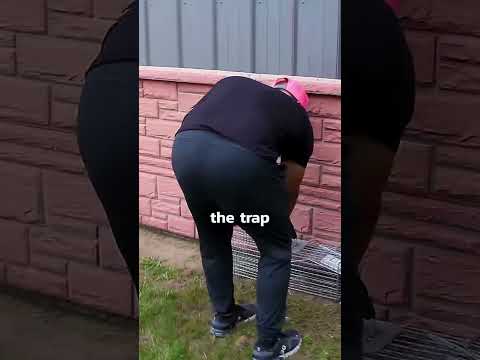
Sometimes, skunks just won’t leave you alone—so you might have to try live trapping. I recommend using an enclosed skunk trap that helps prevent spraying. Peanut butter or canned cat food usually works well as bait.
Set the trap at night, close to where you’ve seen skunks hanging out or near their den entrances. Check the trap early in the morning to keep the animal from getting too stressed.
Once you’ve caught a skunk, gently cover the trap with a dark cloth. This usually helps keep the skunk calm and less likely to spray. If local laws say it’s okay, take the skunk at least 5-10 miles away before releasing it.
Try not to trap skunks during baby season, which runs from February to June. You definitely don’t want to separate a mother from her young. If you aren’t sure what to do, it’s better to reach out to a wildlife professional or your local humane society for advice.


