
If your dog eats a skunk, you’ll need to act fast—but try not to panic. The biggest dangers usually come from diseases like rabies or infections from bites and scratches. Upset stomach is also common since skunks aren’t exactly on the menu for most dogs. Eating a skunk might make your dog vomit or have diarrhea, and sometimes it can lead to more serious stuff like pancreatitis or even poisoning if the skunk had eaten something toxic earlier.

Check your dog for wounds right away and call your vet as soon as you can. The vet will probably want to look for bites, update vaccines, or suggest treatments to keep your dog from getting sick.
Knowing what to look out for and how to care for your dog after this kind of run-in really helps keep them safe.
Immediate Actions and Health Risks After a Dog Eats a Skunk
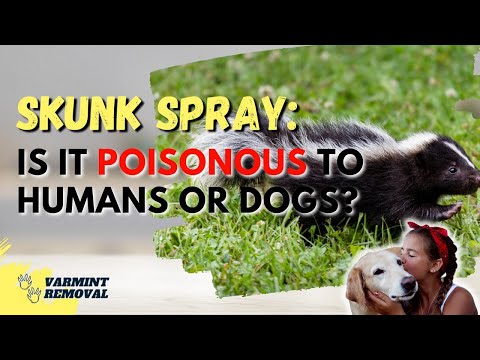
If your dog just snacked on a skunk, quick action matters. Focus on safety, check for any injuries, and get your vet involved right away.
Understanding the risks lets you spot problems before they get worse.
First Steps to Take if Your Dog Eats a Skunk
Keep your dog away from the skunk’s body so they don’t go back for seconds. Put your dog on a leash or in a safe room—maybe a crate or bathroom if you need to.
Don’t try to make your dog throw up. Skunk bones can be sharp and might injure your dog on the way back up.
If you can do it safely, pick up the skunk’s body and seal it in a bag. Your vet might want to test it for diseases like rabies.
Call your vet right away. Tell them your dog’s breed, age, weight, vaccine history, what part of the skunk they ate, and any symptoms you’re seeing.
Follow their advice closely.
Potential Illnesses Transmitted by Skunks
Skunks can pass some pretty nasty diseases to dogs. The main ones are:
- Rabies – This is usually spread through bites. It’s deadly, but vaccines work well if your dog’s up-to-date.
- Leptospirosis – Dogs can catch this through infected urine or tissue. It sometimes causes fever, vomiting, and even liver or kidney problems.
- Canine Distemper – This one’s a virus that can lead to breathing issues or even affect the nervous system.
There’s also a risk of poisoning if the skunk had eaten rodent poison. Eating the skunk’s scent glands can cause nausea and, though rare, anemia.
Signs and Symptoms to Watch For
After your dog eats a skunk, keep an eye out for these symptoms over the next week or two:
- Vomiting or diarrhea that could lead to dehydration
- Lethargy or weakness—basically, just not acting right
- Sudden loss of appetite or drinking way more water than usual
- Pale gums or dark pee (possible anemia)
- Strange behavior like confusion, aggression, or even seizures
Check your dog for bite or scratch wounds and let your vet know right away. That’s usually how infections get in.
Critical Role of Veterinary Care
Your vet will examine your dog and might run some tests—blood work, stool samples, maybe even X-rays. These help spot infections, blockages, or organ issues.
The vet may give fluids for dehydration, antibiotics for infection, and meds to control vomiting. They’ll probably tell you to feed a bland diet and watch your dog closely.
If your dog’s rabies shot isn’t up-to-date or they have wounds, your vet may recommend a booster or even quarantine, depending on local rules.
Stick with your vet’s advice to keep your dog safe.
For a more detailed breakdown on what to do right after your dog eats a skunk, check out this guide from flavor365.com.
Managing Skunk-Related Hazards and Prevention

If your dog gets sprayed or decides to eat a skunk, you’ll want to handle the smell as soon as possible. Try some safe cleaning tricks and think about how to prevent future run-ins.
These steps help keep both your dog and your house skunk-free.
Cleaning and Dealing with Skunk Smell
Skunk spray clings to fur and skin with a strong, oily stink. If your dog gets sprayed, don’t grab the regular shampoo right away.
Those oils can actually lock in the smell. Start by gently wiping your dog’s face and body with a damp cloth to get off as much fresh spray as you can.
Keep your dog outside or in a spot with good airflow while you clean. You don’t want that smell stuck in your house.
Wear gloves to protect yourself. Honestly, skunk odor sometimes takes a few washes to fully go away, so patience helps.
At-Home Remedies: Hydrogen Peroxide and Baking Soda
One of the most effective ways to get rid of skunk smell is a mix of hydrogen peroxide, baking soda, and dish soap. Here’s what you need:
- 1 quart of 3% hydrogen peroxide
- 1/4 cup baking soda
- 1 teaspoon liquid dish soap
Mix everything in an open container and gently rub it onto your dog’s fur. Be careful around the eyes and mouth.
Let it sit for about 5–10 minutes, then rinse well with water. This combo breaks down the oily skunk spray and helps neutralize the smell.
Never store this mixture—it can explode if sealed. Always make it fresh each time.
Preventing Future Dog and Skunk Encounters
If you want to lower the odds of another skunk run-in, start by getting rid of whatever draws skunks to your yard. Put tight lids on your garbage cans. Seriously, don’t leave pet food outside unless you’re okay with uninvited guests.
Look for holes or gaps under your deck or shed. Go ahead and seal those up so skunks can’t move in.
You’ll notice skunks come out mostly at dawn and dusk. Maybe try walking your dog indoors then, or at least keep your buddy on a short leash if you’re in a spot where skunks hang out.
Some folks install motion-activated lights or sprinklers to spook skunks away. It’s not a bad idea if you’re tired of surprises.
And hey, don’t forget to keep your dog’s vaccinations up to date—rabies shots especially matter if wildlife might wander through.


