
Ever spotted skunk poop in your yard and wondered if it’s just gross or actually dangerous? Skunk poop carries parasites and bacteria that can harm both you and your pets. It probably won’t kill you, but you really should handle it carefully to avoid health problems.
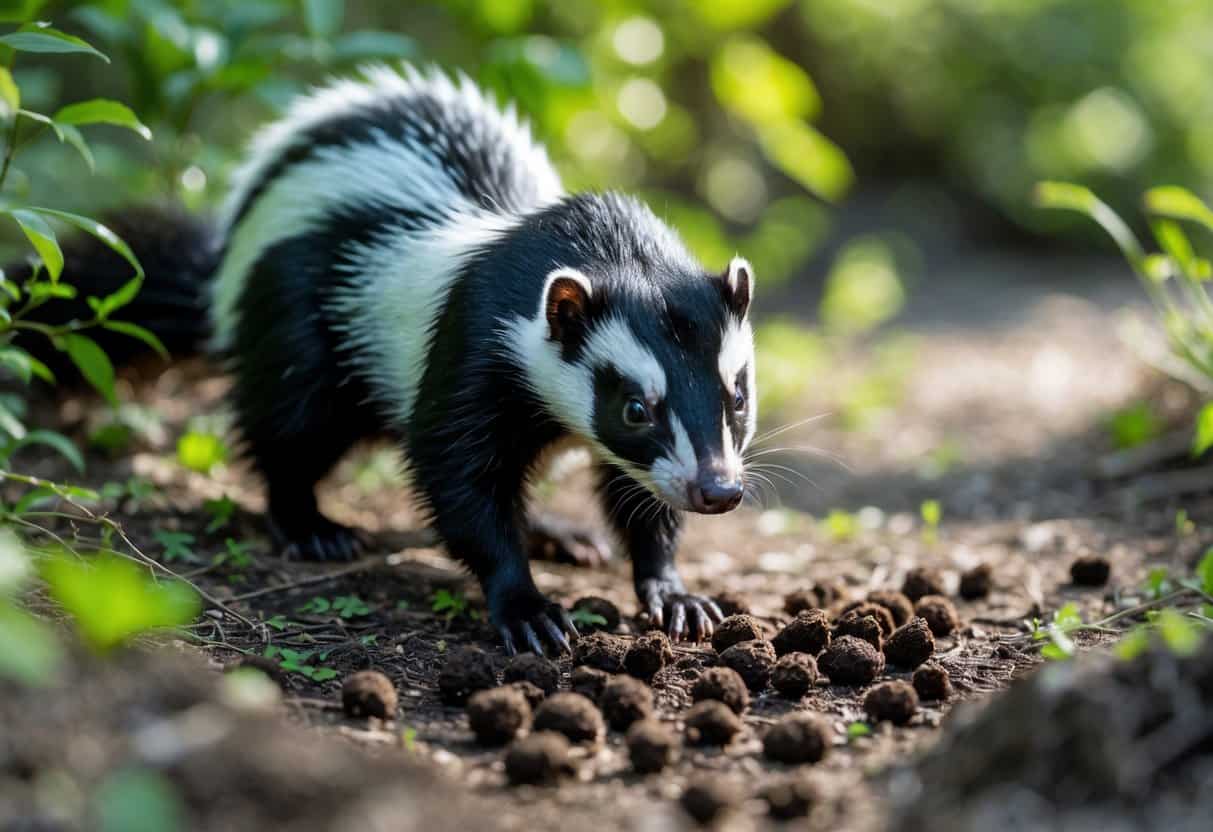
If you’ve got kids or dogs, you’ll want to stay alert. They’re the most likely to get too close. Knowing what to watch for—and how to keep everyone safe—makes a big difference.
How Toxic Is Skunk Poop?
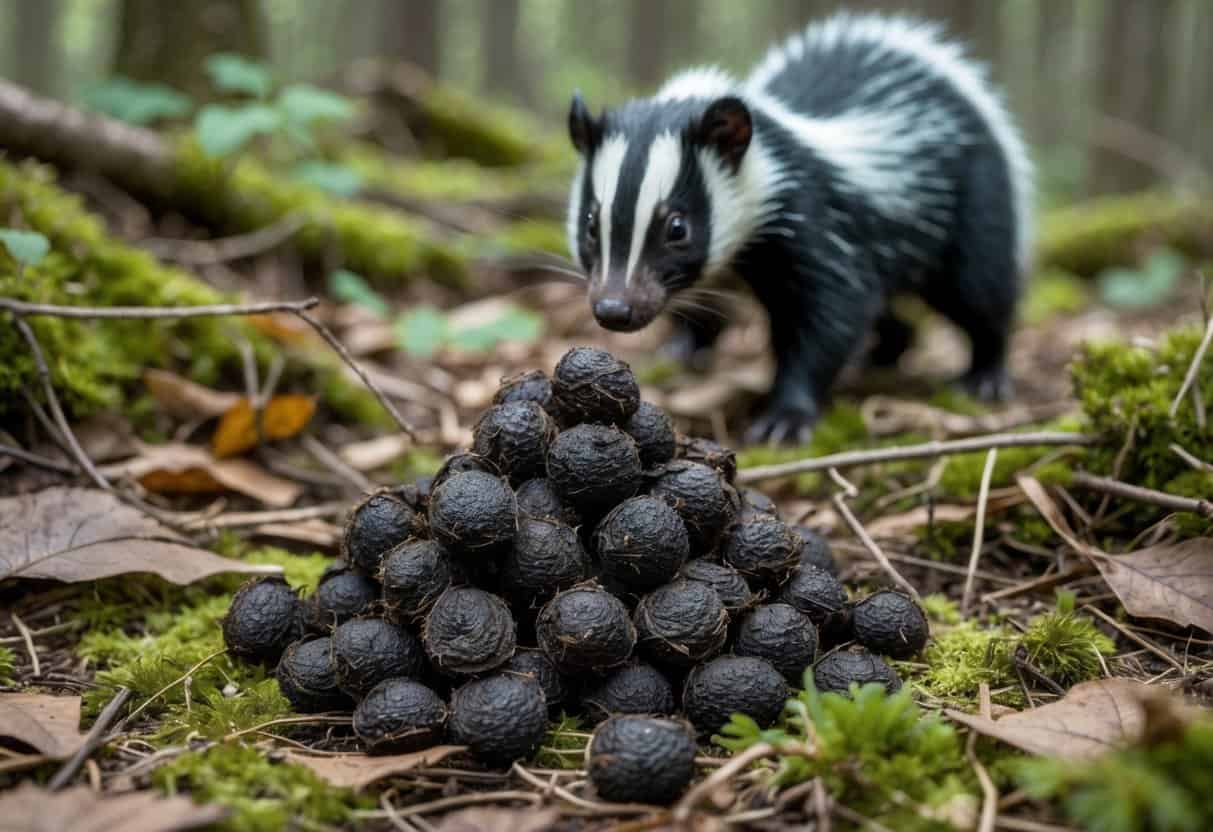
Skunk poop brings germs and parasites that might cause trouble. Let’s break down the risks, so you know what you’re dealing with.
Diseases Carried by Skunk Feces
Bacteria and viruses in skunk droppings can cause diseases in people and animals. For example, leptospirosis can attack your kidneys and bring on a fever, while listeriosis might just feel like the flu but is still a bacterial infection.
Skunks sometimes carry viruses like canine distemper and feline panleukopenia virus. These hit dogs and cats pretty hard.
Usually, rabies spreads through bites or scratches, not poop. Still, finding skunk feces near your house might mean sick animals are hanging around. That’s a good reason to be extra careful, especially where kids and pets play.
Parasites and Worms in Skunk Droppings
Here’s a big one: skunk poop sometimes contains Baylisascaris columnaris, a roundworm that can seriously hurt you if you swallow or breathe in the eggs. Kids are at the highest risk since they play in the dirt and sometimes put their fingers in their mouths.
You might also find other worms, like tapeworms and intestinal parasites, in skunk droppings. Pets that sniff or eat the poop can pick up these parasites. Deworming your pets helps, but honestly, it’s better if they just never get near the stuff.
Airborne and Surface Dangers
Old or dried skunk poop can grow mold. That mold lets off spores, which float into the air and can mess with your lungs or trigger allergies. This gets worse in places like attics or basements.
You can also pick up germs by touching anything contaminated—soil, tools, shoes, you name it. Bacteria like E. coli and Salmonella spread this way. Always wash your hands, and clean up any area where you find skunk scat.
Toxicity for Humans and Pets
Skunk poop isn’t toxic like a chemical, but it’s risky because of all the germs and parasites. People might get nausea, fever, or even organ issues if parasites get into the body. Kids and folks with weak immune systems should be extra cautious.
Dogs and cats that eat or sniff skunk droppings can get sick too—think vomiting, diarrhea, or infections like leptospirosis. Keep pets away from poop, and call your vet if they get sick. Teaching dogs to steer clear and keeping up with good hygiene really does help.
Want more details? Check out skunk poop dangers and some safety tips.
Important Safety Tips for Handling and Removal
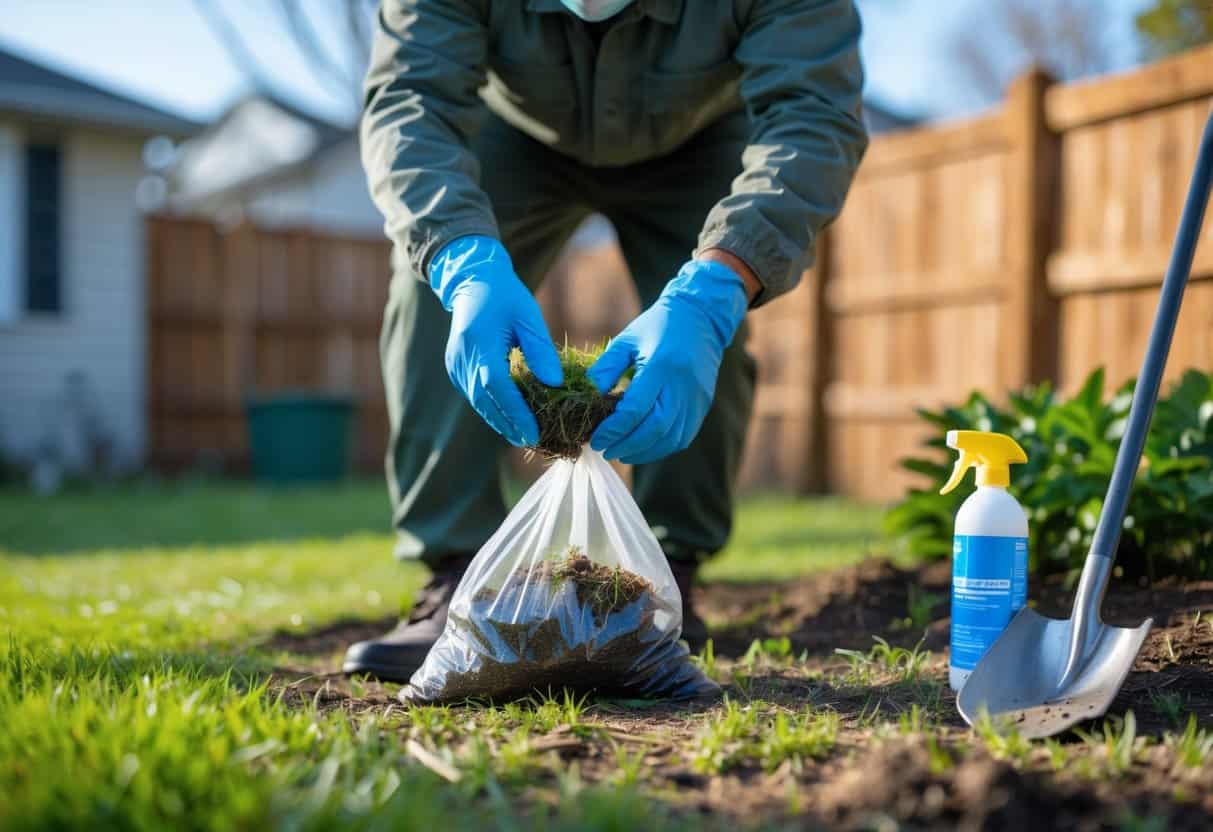
If you need to clean up skunk poop, don’t just dive in. This stuff can carry parasites and bacteria, so you really need to be careful. Taking the right steps keeps you, your pets, and your kids a lot safer.
Safe Cleanup and Disposal Methods
Always put on gloves before you touch skunk scat. Use a scoop, shovel, or even a plastic bag—just don’t touch it directly.
Seal the waste tightly in a plastic bag before tossing it in the trash. Clean the area with soapy water to get rid of leftovers. Don’t sweep or vacuum dry scat, since that can send nasty stuff into the air.
If you’re not sure what to do or if there’s a lot of poop, it’s probably smart to call in professionals who know how to handle biohazards.
Personal Protection and Hygiene Practices
Wear disposable gloves and, if you’re cleaning inside or somewhere cramped, throw on a mask. That way you won’t breathe in spores or parasite eggs.
Wash your hands really well with soap and warm water after you finish cleaning. If your clothes get dirty, wash them separately from everything else.
Don’t let kids handle dirt or droppings that might be contaminated. Parasites like Baylisascaris columnaris can infect them more easily. Remind everyone to wash their hands after playing outside.
Reducing Risks for Pets and Children
Keep dogs and cats away from skunk poop. They can get sick from parasites or nasty diseases like leptospirosis, tularemia, canine distemper, and feline panleukopenia virus.
Try to train your pets not to sniff or eat animal droppings. It’s not always easy, but it’s worth the effort.
If your pet eats skunk feces, call your vet right away. They’ll know what to do and might suggest treatment.
Keep an eye out for vomiting, diarrhea, or if your pet just seems tired and off.
For kids, always supervise outdoor play. Don’t let them touch skunk scat, even if they’re curious.
Clean and disinfect any toys, shoes, or gear that’s been near skunk poop. If you think your child’s been exposed, talk to a pediatrician about parasite screening.
Want to dig deeper? Check out SkunksGuide for more about skunk poop dangers and safe handling.


