
If you want to avoid bee stings, it really helps to understand how bees act and take a few easy steps. Try wearing light-colored clothes, skip the strong perfumes, and stay calm when bees are nearby.
You’ll also want to figure out where bees like to nest and just… don’t go there. It’s honestly that simple sometimes.

When you’re outside, pay attention to what’s around you. Swatting at bees or freaking out just makes things worse.
Try making these little changes, and you might notice you’re not worrying about bee stings as much.
Interested in more tips for staying safe and still getting outside? Stick around.
Essential Steps to Prevent Bee Stings

You can cut down your risk of being stung by skipping certain spots, acting chill around bees and wasps, and wearing the right stuff. These tips help keep you safe from bee and wasp venom and lower your chances of painful stings or even nasty reactions like anaphylaxis.
Recognizing High-Risk Outdoor Situations
You’ll usually spot bees and wasps near flowers, fruit, garbage, or sweet drinks. They love food and sugary things, so those places attract them.
Try not to hang out too long in these areas.
Keep an eye out for nests or hives—look under eaves, in trees, or tucked into hollow spaces. If you see a bunch of bees or wasps zooming around the same spot, a nest is probably close.
Just steer clear.
Mornings and early afternoons are usually safer since bees aren’t as active. Later in the day, wasps can get pretty grumpy, so maybe avoid those times.
Practicing Safe Behavior Around Bees and Wasps
If you spot bees or wasps, just stay calm and move away slowly. Fast movements or swatting only make them more likely to sting.
If one lands on you, try gently blowing on it or let it leave on its own. Don’t panic or smack it.
Skip strong perfumes or scented lotions—they can draw stinging insects right to you.
If you mess with a hive by accident, leave fast but don’t run like you’re in a cartoon. Running can rile them up even more.
Dressing to Minimize Risk of Stings
Go for light-colored clothes that cover your arms and legs. Bright colors and floral prints just make you look like a walking flower to bees and wasps.
Loose or flowy clothes can trap insects, so it’s better to avoid those.
Wear gloves and long sleeves if you’ll be near hives or working with bees. Thick cotton gloves help, but they’re not magic—stings can still happen.
Cover your shoes and ankles, especially in tall grass or bushes where nests might hide. That way, you’re less likely to get stung on your feet or legs.
For more ideas on dressing right, check out tips on preventing bee stings with proper clothing.
Understanding Risks and Emergency Preparedness
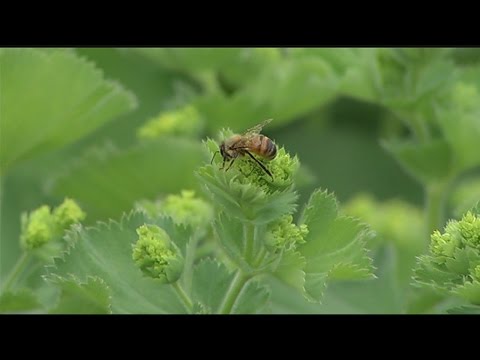
If you know the types of bees out there and how they act, it’s a lot easier to avoid getting stung. It’s also smart to know if you might react badly and keep the right meds handy.
Identifying Types of Bees and Their Nesting Habits
All bees aren’t the same. Honeybees usually don’t want to bother you and only sting if they feel threatened.
They make wax hives and live in big groups.
Wasps act more aggressive, and their bodies look smooth. They build those papery nests in trees, under eaves, or even in the ground.
Yellowjackets are a kind of wasp, and they can sting over and over. If you spot a nest, just back off and don’t wave your arms around.
Knowing where these nests are makes surprise run-ins less likely and cuts your chances of getting stung.
Recognizing Reactions and Allergic Risks
Most stings just cause some swelling, redness, and pain. But if you start feeling dizzy, can’t breathe, or the swelling spreads quickly, you might have anaphylaxis.
That’s serious—get medical help right away.
Look for signs like all-over itching, a tight throat, or feeling faint. If you notice any of these, call emergency services immediately.
Even if you’re not sure you’re allergic but you feel weird after a sting, it’s a good idea to see a doctor.
Carrying an Epinephrine Autoinjector for Safety
If you’re allergic to bee or wasp venom, carrying an epinephrine autoinjector could honestly save your life. This little device acts fast—it calms down your body’s reaction when anaphylaxis hits.
Keep it with you whenever you’re outside, especially if you’re headed somewhere with lots of bees or wasps around.
Make sure you actually know how to use the autoinjector, and stash it somewhere you can grab it quickly. Check the expiration date from time to time, just in case.
Let people nearby know about your allergy and where you keep the autoinjector. That way, they can help if something goes wrong.
If you’re curious about more safety tips or what to do in an emergency, check out guides on managing risks from bee and wasp stings.


