
When a bee stings you, the venom gets to work almost instantly. Your immune system jumps into action, breaking down and removing the venom—usually within just a few days.
Most people start feeling better after two or three days as swelling and redness fade away.
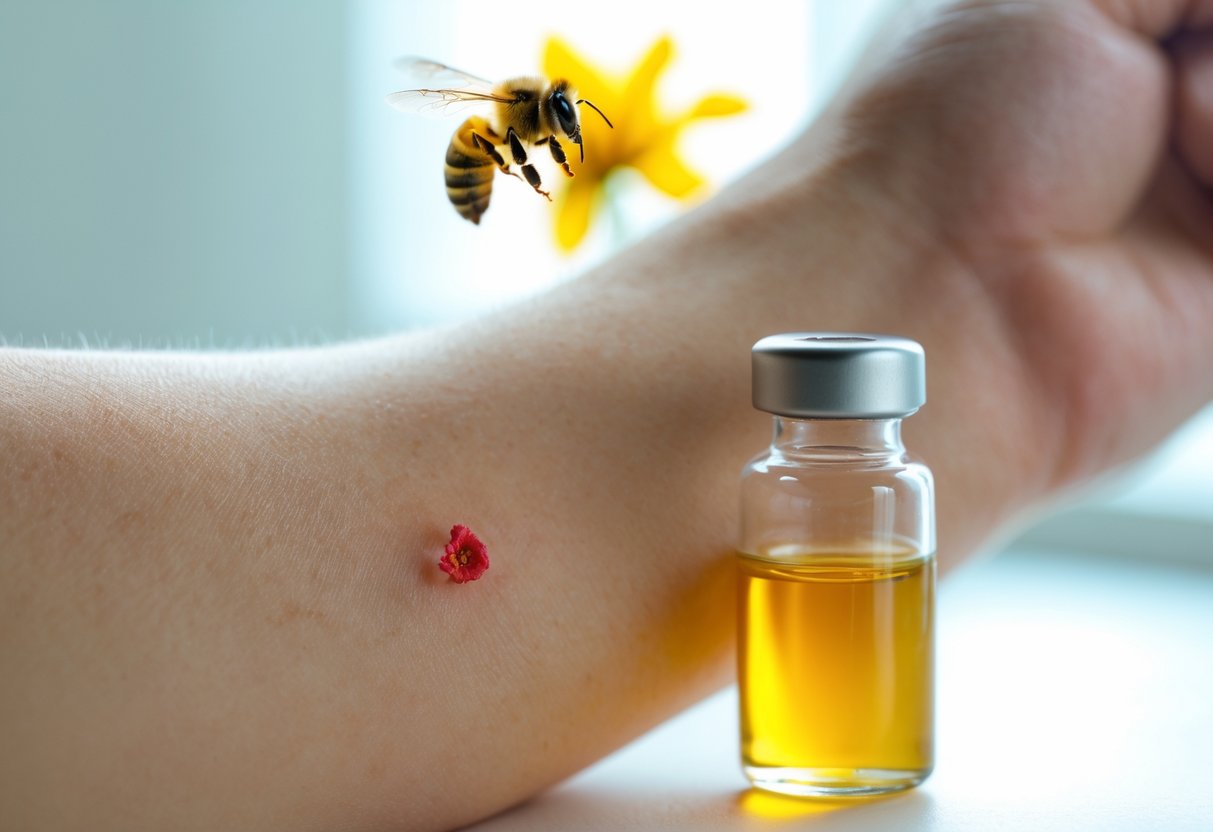
How fast you recover really depends on how much venom the bee injected and how sensitive you are to stings. If you’re not allergic, the pain and swelling usually go away pretty fast.
If you do react more strongly, though, those symptoms can stick around longer.
Understanding how your body deals with bee venom helps you know what to do after a sting. It also gives you a sense of what’s normal and when you might actually need to see a doctor.
You can dig deeper into the process and figure out how long it really takes for the venom to leave your body.
How Long Does Bee Venom Stay in Your Body?
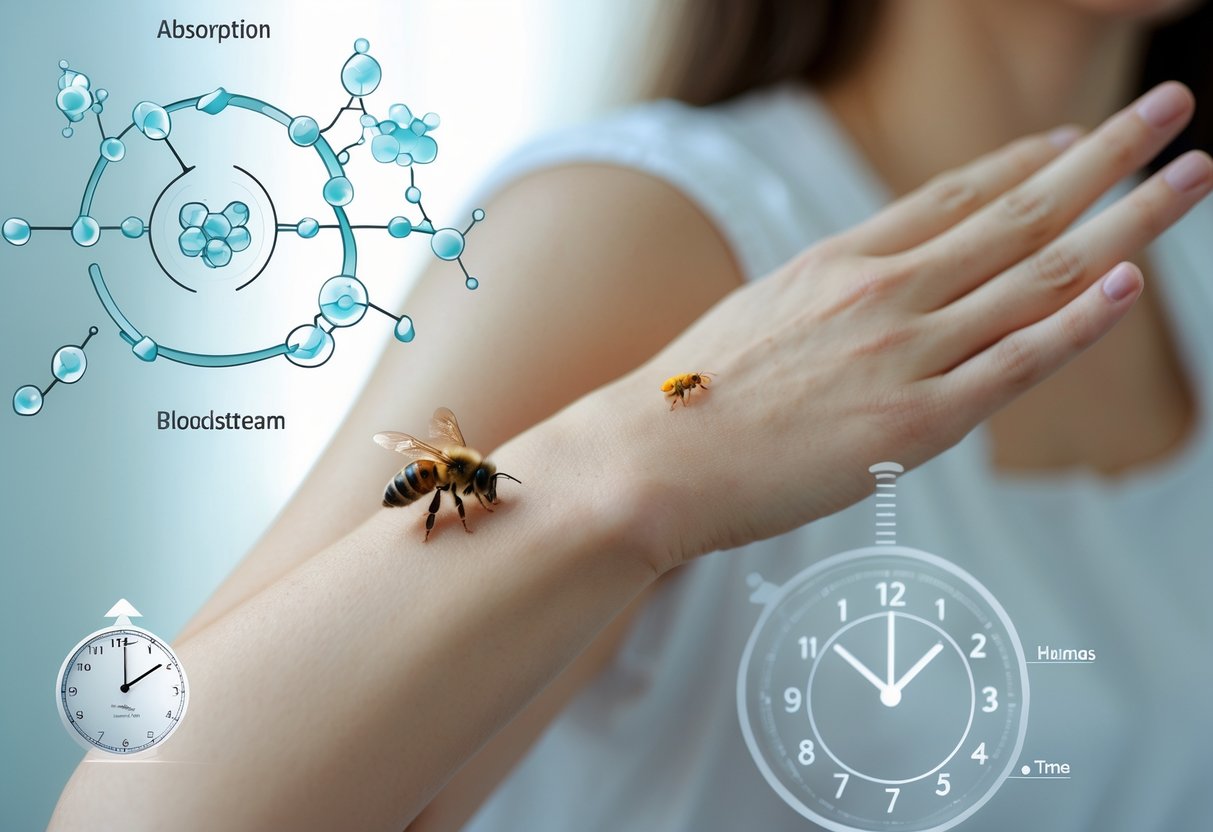
Once you get stung, the venom goes to work right away. You’ll probably notice pain, swelling, and redness almost immediately.
How long the venom sticks around depends on your immune system and how much venom got under your skin.
Venom Absorption and Breakdown Timeline
The venom enters your skin within seconds. The main toxin, melittin, damages cells and causes pain.
Your body starts breaking it down within a few hours. Most of the venom clears out in about two to three days.
During this time, your immune system sends white blood cells to fight the venom’s effects. Swelling and redness usually peak within 24 to 48 hours, then start to calm down.
Factors That Affect Venom Duration
Several things change how long venom stays in your system:
- Amount of venom: A bigger sting means the venom might last longer.
- Your immune system: If you’re sensitive or allergic, symptoms can stick around for days.
- Location of sting: Some spots swell more and heal slower.
- Health and age: Older folks or people with weaker immune systems might take longer to get rid of the venom.
These factors explain why some people bounce back in a day, while others deal with symptoms for a week or more.
Venom Elimination in Local and Systemic Reactions
Most bee stings just cause local pain, swelling, and itching. Your body usually clears this venom on its own in a few days as it repairs the tissue.
If you have a systemic or allergic reaction, you might get hives, trouble breathing, or swelling outside the sting area. Your immune system reacts more strongly, so symptoms can last longer or need medical treatment.
For more details on how long bee venom stays in your body, check out How Long Does Bee Venom Stay in Your System?.
Body Reactions and Health Impacts

Your body reacts to bee venom in a few different ways. Reactions can be mild—just pain and swelling—or more serious, like allergies or delayed immune responses.
It helps to know what’s normal so you can manage symptoms and avoid unnecessary worry.
Common Local Effects and Symptoms
Most bee stings cause pain, redness, itching, and swelling right at the sting. You’ll probably feel a sharp jab first, then maybe a burning or throbbing sensation.
The venom has chemicals like phospholipase A and hyaluronidase that break down cell membranes and help the venom spread. Swelling usually gets worse for up to 48 hours, then starts to fade away.
Amines in the venom make blood vessels widen, so the area gets red and puffy. These local effects can last anywhere from one to three days, and yeah, they’re not fun.
Cold compresses and antihistamines can help with swelling and itching. The venom itself? Your immune system mostly neutralizes it within a few days.
Allergic Reactions and Anaphylaxis
If you’re allergic to bee venom, the risk of a severe reaction goes up. About 5% of people have allergies that cause symptoms beyond just the sting spot.
These can include hives all over, trouble breathing, dizziness, or swelling in your face and throat. Severe allergic reactions can turn into anaphylaxis, which is life-threatening and needs treatment right away.
Doctors use epinephrine injections to stop the allergic chain reaction triggered by venom proteins like apamin. If you notice wheezing, a tight throat, or weakness after a sting, get emergency help immediately.
You might also want to talk to your doctor about allergen-specific immunotherapy. Over several years, this treatment can lower your sensitivity to bee venom.
Delayed Responses and Serum Sickness
Sometimes, your body reacts to bee venom days or even weeks after a sting. Doctors call this delayed response serum sickness.
Your immune system creates antibodies that go after the venom proteins still hanging around in your body. That’s when things start to feel off.
You might get a fever, swollen lymph nodes, joint pain, or a skin rash. These symptoms can look a lot like rheumatoid arthritis or other immune-related conditions, like multiple sclerosis.
The weird part? These symptoms can stick around for a few weeks. Usually, though, things get better as your body finally clears out the venom and the inflammation calms down.
If you notice symptoms that linger or feel severe after a sting, go see your healthcare provider. They might suggest corticosteroids to help tamp down the inflammation and keep your immune system in check.


