
When you leave a wasp stinger in your skin, pain and swelling can get worse as venom keeps seeping in. The longer that thing sits there, the more likely you’ll feel extra discomfort or even trigger an allergic reaction.
Wasps usually don’t leave their stingers behind like bees do, but it’s still smart to check the sting site—why risk more trouble?
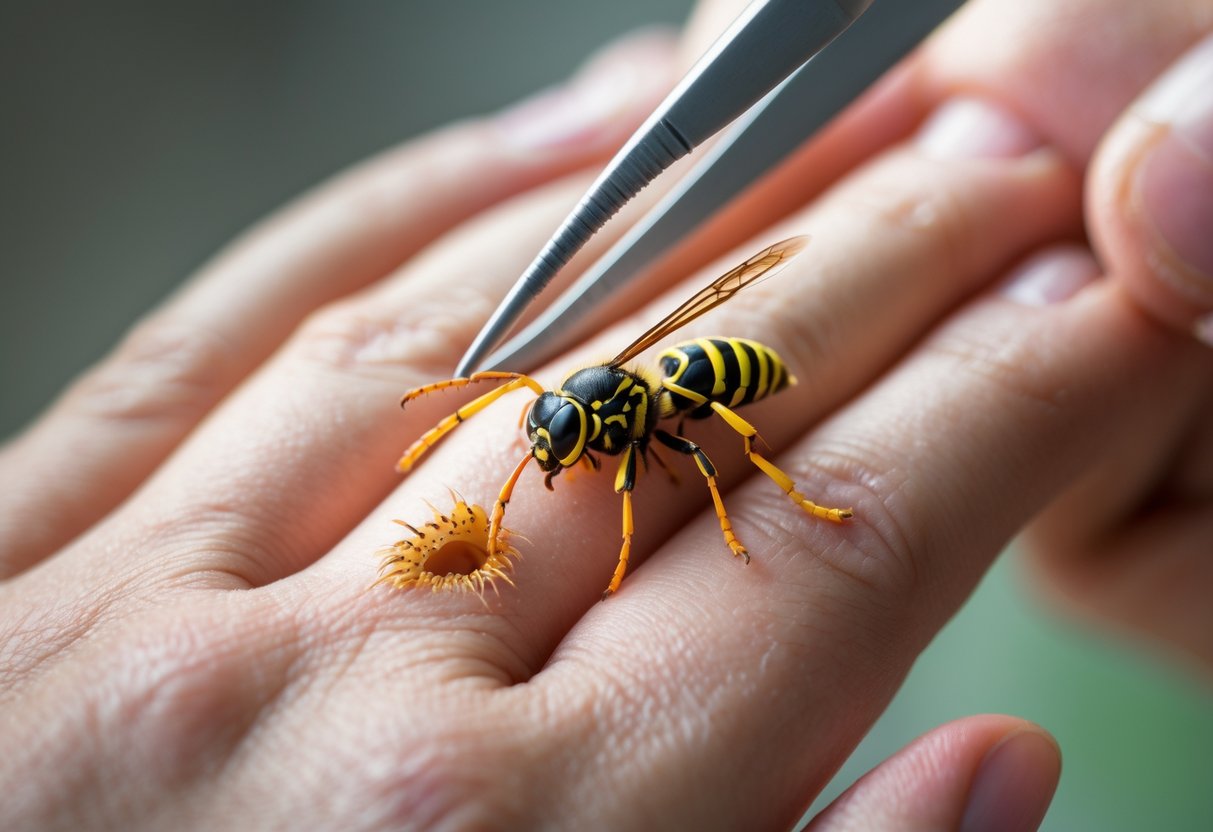
You’ll probably feel a sharp pain right away. If you don’t pull the stinger out, the irritation can ramp up fast.
Sometimes, a leftover stinger can even cause an infection if it hangs around too long. It’s honestly worth knowing how to spot and remove a stinger, just so you can feel better sooner.
Understanding what happens if you leave the stinger in can help you act quickly if you get stung. Learning a bit more about wasp stings now might save you a lot of discomfort later.
If you want more details on the risks and how to get a wasp stinger out, check out this guide on what happens if a wasp stinger is not removed.
What Happens If a Wasp Stinger Is Not Removed?
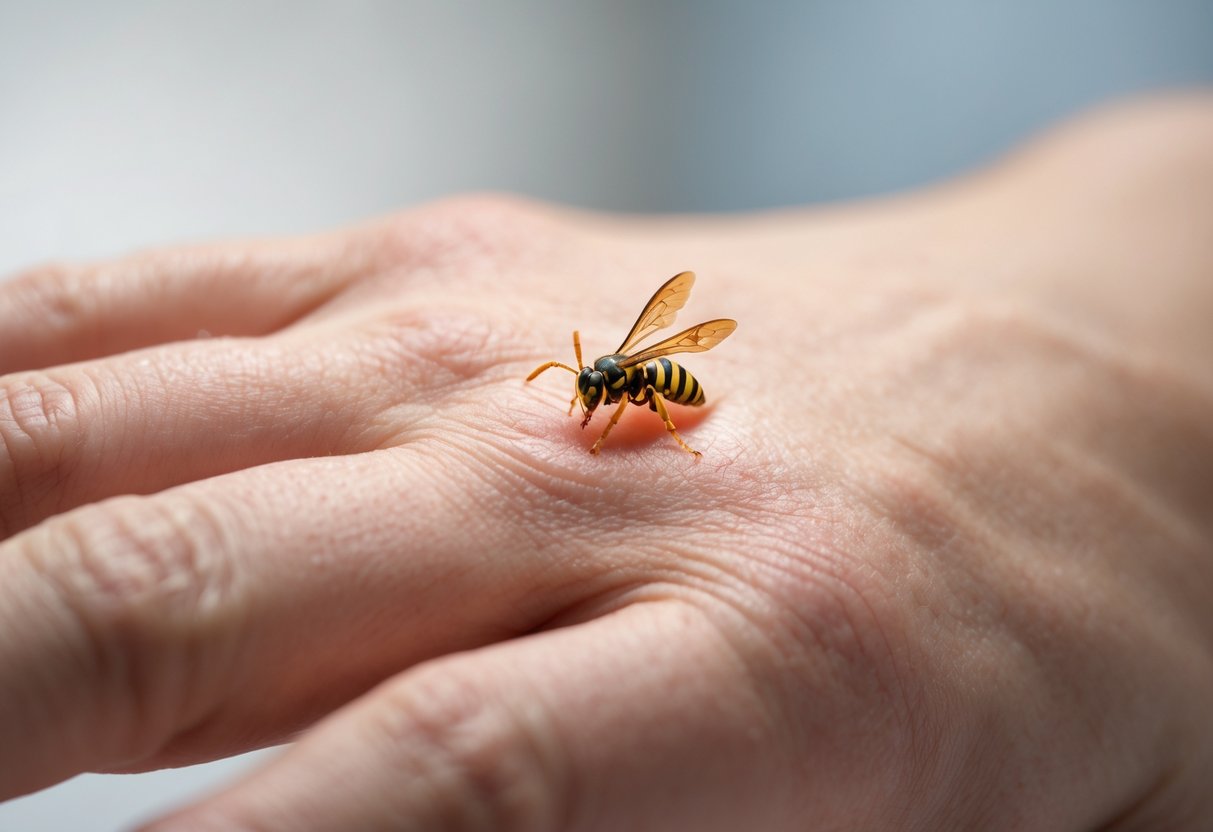
When a wasp stinger stays in your skin, pain and swelling usually get worse over time. That venom keeps working on your body, and you could end up with an infection or an allergic reaction.
It’s important to watch how your skin reacts so you can catch any issues early.
Immediate Reaction at the Sting Site
Right after a wasp stings you, you’ll probably feel a sharp, burning pain. The area might turn red and swell up pretty quickly.
You could notice some itching or a rash around the spot. Wasps don’t always leave their stingers behind, but if a bit does get stuck, it keeps releasing venom.
That extra venom can make the pain even worse. Sometimes you’ll see hives or bumps pop up around the sting.
Try to get the stinger out as soon as you can. It really helps cut down on these effects.
Venom Absorption and Extended Effects
If you leave the stinger in, venom keeps entering your skin. Swelling and pain can get more intense.
The spot might feel hot or extra sensitive. Sometimes, the swelling spreads past the sting and hangs around for a few days.
You might itch and feel uncomfortable as your immune system reacts. If you’re allergic, leaving the stinger in raises your risk for a bigger reaction.
You could see more redness, hives, or even start having breathing trouble if you’re really sensitive.
Progression of Local Symptoms
If the stinger stays put, the area will probably stay swollen and sore. Redness can get brighter, and itching might drive you a little crazy.
Sometimes you’ll feel like there’s a splinter or something stuck under your skin. That can tempt you to scratch or pick at it, which just makes things worse.
Pain usually hits hardest in the first few hours. Swelling and itching can stick around for up to three days.
Try to keep the area clean and don’t scratch it. Your skin will heal faster that way.
Potential for Secondary Infection
If you don’t remove the stinger and end up scratching, bacteria from your hands or the stuff around you can get into the wound. That opens the door for infection.
Infected stings hurt more and might feel warm or look redder. Sometimes you’ll see pus, or the redness starts spreading.
If things get bad, you might even get a fever or notice swollen lymph nodes nearby.
Washing the sting with soap and water and pulling out the stinger right away can really lower your risk. If you spot signs of infection, don’t wait—get medical help.
For step-by-step tips on getting a wasp stinger out safely, check this guide on how to remove a wasp stinger from skin safely.
Complications and Allergic Risks After a Wasp Sting

Wasp stings can do more than just hurt and swell up your skin. Some people face allergic reactions, and those can be pretty scary.
Knowing the signs and how to react can make a big difference.
Allergic Reactions
If you’re allergic, a wasp sting can send your immune system into overdrive. Wasps, yellow jackets, hornets—these guys inject venom that can cause itching, redness, and swelling.
For some, it gets much worse. You might feel nausea, dizziness, vomiting, or start sweating.
Wasps and other social insects often build nests in places you wouldn’t expect, and if you disturb them, you could get stung more than once. That means more venom and a higher risk for a strong reaction.
Fire ants and aggressive wasps make things even riskier. If you know you have allergies, even a single sting could mean you need antihistamines or even epinephrine fast.
Symptoms of Severe Reaction
Serious allergic reactions, or anaphylaxis, can come on really fast. Watch out for:
- Trouble breathing
- Swelling in your face, throat, or tongue
- Fast heartbeat or a weak pulse
- Confusion or passing out
These are medical emergencies. Anaphylactic shock is life-threatening, and if you wait too long, your airway could close.
If you’ve had bad reactions before, always keep an epinephrine injector with you and use it at the first sign of serious trouble.
Treatment and Emergency Response
If you get stung, take a look at the area right away. Wasps usually don’t leave a stinger behind—unlike bees—but if you spot one, go ahead and remove it fast to limit how much venom gets in.
Wash the sting with soap and water. That’ll help keep infection at bay.
Grab a cold pack and press it to the spot to ease the pain and swelling. For mild reactions, you can try some over-the-counter antihistamines or painkillers—they usually do the trick.
If you notice severe symptoms or you know you’re allergic, use epinephrine right away. Call emergency services without delay.
Try not to scratch the sting, even if it’s tempting, since that just raises your risk for infection.
Keeping wasps and their nests away from your home really cuts down on the chances of getting stung in the first place.


