
Rabbits are fascinating creatures, full of surprises when it comes to their habits. If you’ve ever wondered about their sleeping patterns, you’re not alone. On average, rabbits typically sleep between six to twelve hours a day, depending on their comfort level and environment.
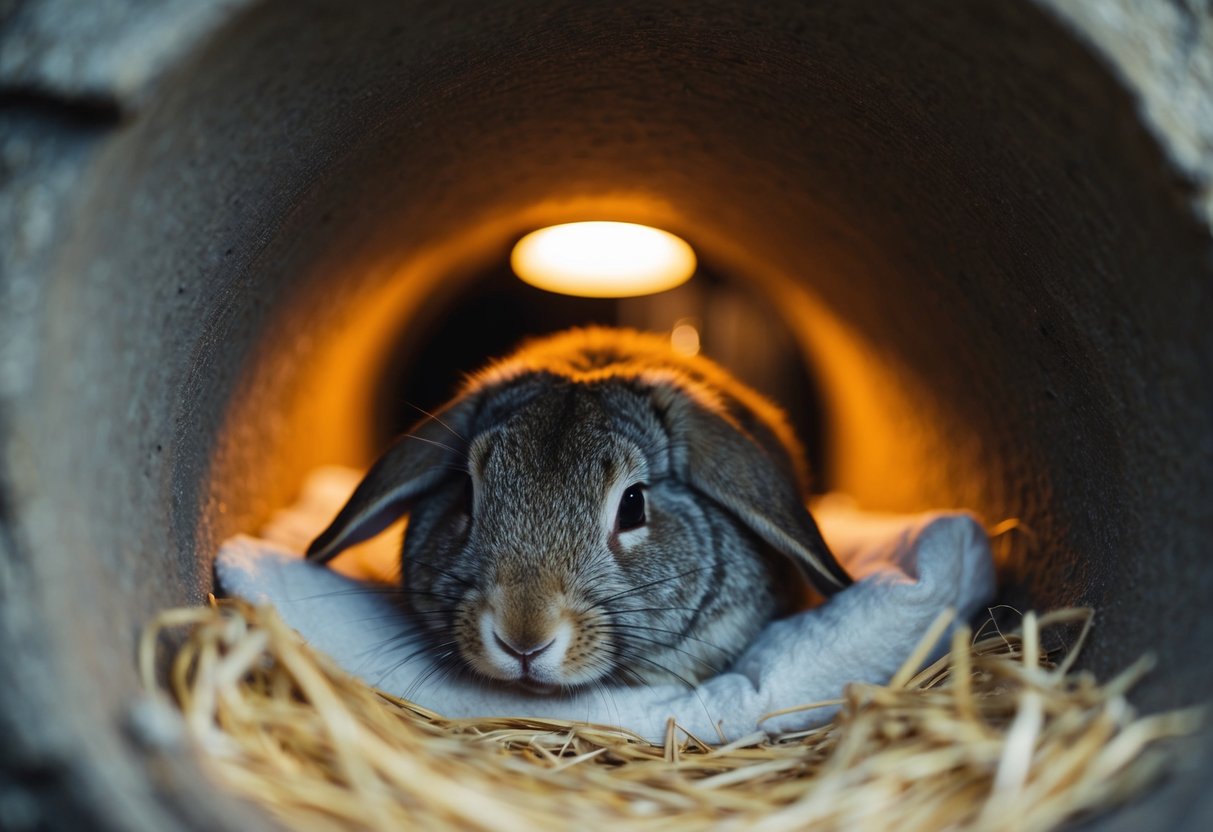
You might notice that your bunny seems active at odd hours. This is because rabbits are crepuscular animals, meaning they are most active during dawn and dusk.
Understanding their sleep habits can help you create a more comfortable space for your furry friend.
Knowing how long rabbits usually sleep can change how you care for them. This guide will explore the factors that impact their sleep and what a healthy sleep routine looks like for your pet.
Understanding Rabbit Sleep Habits

Rabbits have unique sleep habits that differ from many other pets. They are crepuscular animals, meaning they are most active during dawn and dusk. Knowing how and when rabbits sleep helps you support their well-being.
When Do Rabbits Sleep
Rabbits typically sleep for about 7 to 12 hours a day, but their sleep schedule is quite different from yours. They are often more alert during the night, resting in short bursts. Because they are prey animals, they take light naps, always ready to wake at the slightest sound.
You may notice your rabbit being active early in the morning or later in the evening. During these times, they feel safest and most awake. In contrast, they may snooze during the day. If your rabbit takes a long nap, check if they feel comfortable and secure.
Rabbit Sleep Patterns and Duration
Rabbit sleep patterns are fascinating. Unlike humans, who enjoy deep sleep cycles, rabbits experience shorter, lighter naps. These can last from a few minutes to about 20 minutes at a time.
You may see your rabbit resting with their eyes closed or even lying on their side, which means they are truly asleep. They sleep for around 6 to 10 hours daily on average, though this can vary based on factors like age, activity level, and environment.
Understanding their sleep is crucial. A well-rested rabbit is typically more active and healthier. If you notice changes in their sleeping habits, it may indicate stress or health issues, so always keep an eye on your furry friend.
Unique Sleeping Behaviors of Rabbits

Rabbits have several fascinating sleeping habits that set them apart from many other pets. Understanding these unique behaviors can help you create a comfortable sleeping environment for your bunny.
Loaf Position and Other Sleep Postures
One of the most common postures you’ll see is the loaf position. In this pose, your rabbit sits upright with its paws tucked under its body. This position shows that your bunny feels safe and relaxed.
Rabbits also sleep while lying flat, which is often a sign of deep relaxation. You might notice your bunny stretching out on its side or stomach.
These positions indicate different levels of comfort. When your rabbit is in a loaf position, it is generally alert to its surroundings. When it lies down, it’s in a deeper sleep, but it’s also more vulnerable to threats.
Do Rabbits Sleep With Their Eyes Open
Often, you may watch your rabbit apparently awake, but it may actually be resting. Rabbits are light sleepers and can sleep with their eyes open. This behavior helps them stay alert to potential dangers.
You might see their eyes open wide, but they could still be in a light sleep phase. When they are relaxed and feel safe, they may close their eyes completely. It’s essential to provide a calm environment so they can fully relax.
Rabbit Trust and Sleeping Environment
Your rabbit’s sleeping habits are closely tied to their trust in you and their environment. Bunnies feel secure in spaces that are comfortable and safe. If your rabbit trusts you, it will be more likely to sleep in open areas, showing that it feels protected.
Providing a cozy, quiet area can help your rabbit sleep better. Ensure that the sleeping spot is free from drafts and disturbing noises. You might also want to turn off bright lights, as rabbits often prefer to sleep in the dark. By understanding their needs, you create a setting where your bunny can rest peacefully.
Rabbit Sleep and Health Concerns
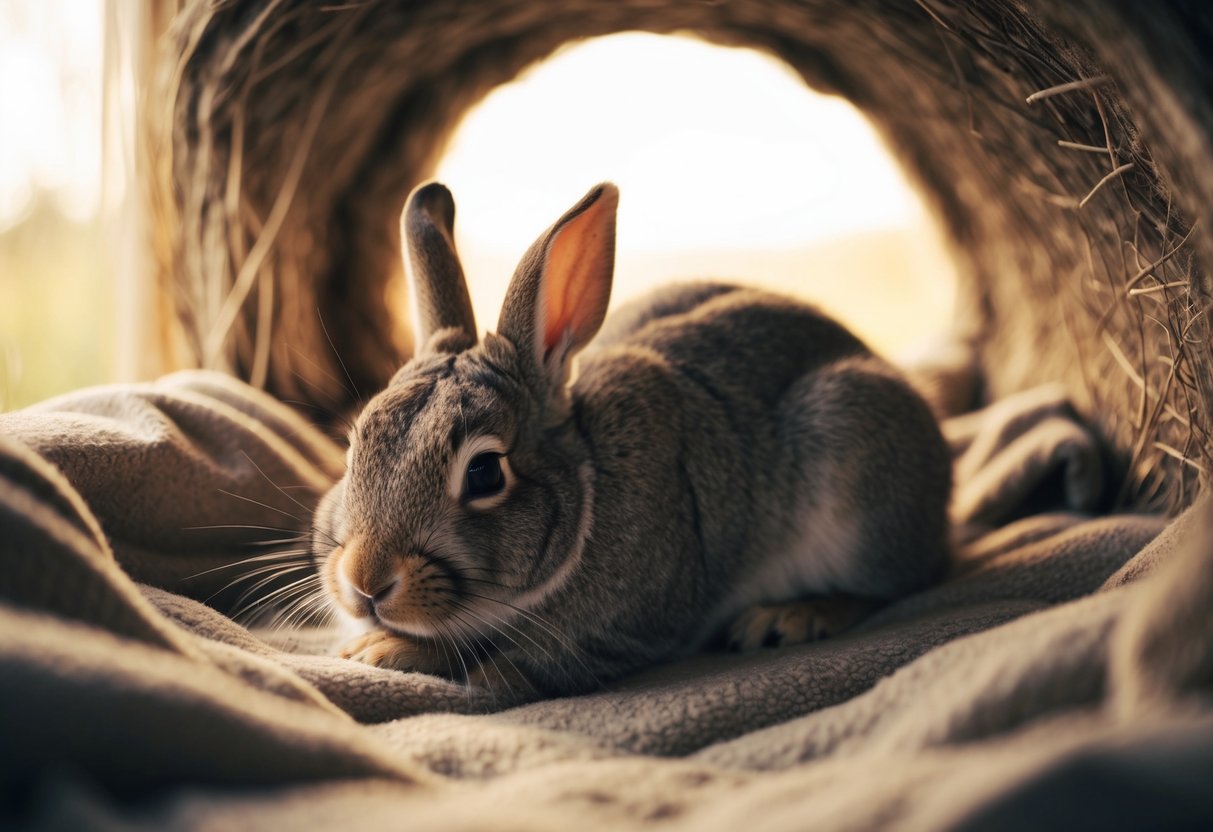
Understanding how sleep affects your rabbit’s health is important. Rabbits have unique sleeping patterns that can impact their overall well-being. Let’s explore the different types of sleep rabbits experience, whether they dream, and potential sleep disorders.
REM and NREM Sleep in Rabbits
Rabbits experience both REM (Rapid Eye Movement) and NREM (Non-Rapid Eye Movement) sleep. During NREM sleep, your rabbit’s body relaxes deeply, and this is when they recover physically. This stage of sleep can last several minutes to an hour.
In contrast, during REM sleep, your rabbit may show twitching or slight movements. This is when dreaming happens.
The sleep cycles of rabbits can be different based on their health. A good balance of both REM and NREM sleep is vital for your rabbit’s happiness.
Do Rabbits Dream
Yes, rabbits do dream! When your rabbit enters REM sleep, they experience dreams, which you might notice by their twitching or movements. This stage is crucial for their mental well-being.
Dreaming helps rabbits process their experiences and emotions, similar to humans. It’s important to create a safe and comfortable environment for your rabbit to encourage peaceful sleep. A happy and secure rabbit is likely to have more restful dreams, contributing positively to their overall mental health.
Sleep Disorders in Rabbits
Just like humans, rabbits can experience sleep disorders. Factors like stress, illness, or changes in their environment can disrupt their normal sleep patterns.
If you notice your rabbit sleeping more than usual or having restless sleep, it may be a sign of a problem.
Common sleep issues include insomnia or irregular sleep cycles. Dental problems, pain, or infections can also affect how well your rabbit sleeps.
Keep an eye on their behavior during the day to gauge their health. If you suspect a sleep disorder, consulting a vet is crucial for the well-being of your pet.
Caring for Domestic Rabbits
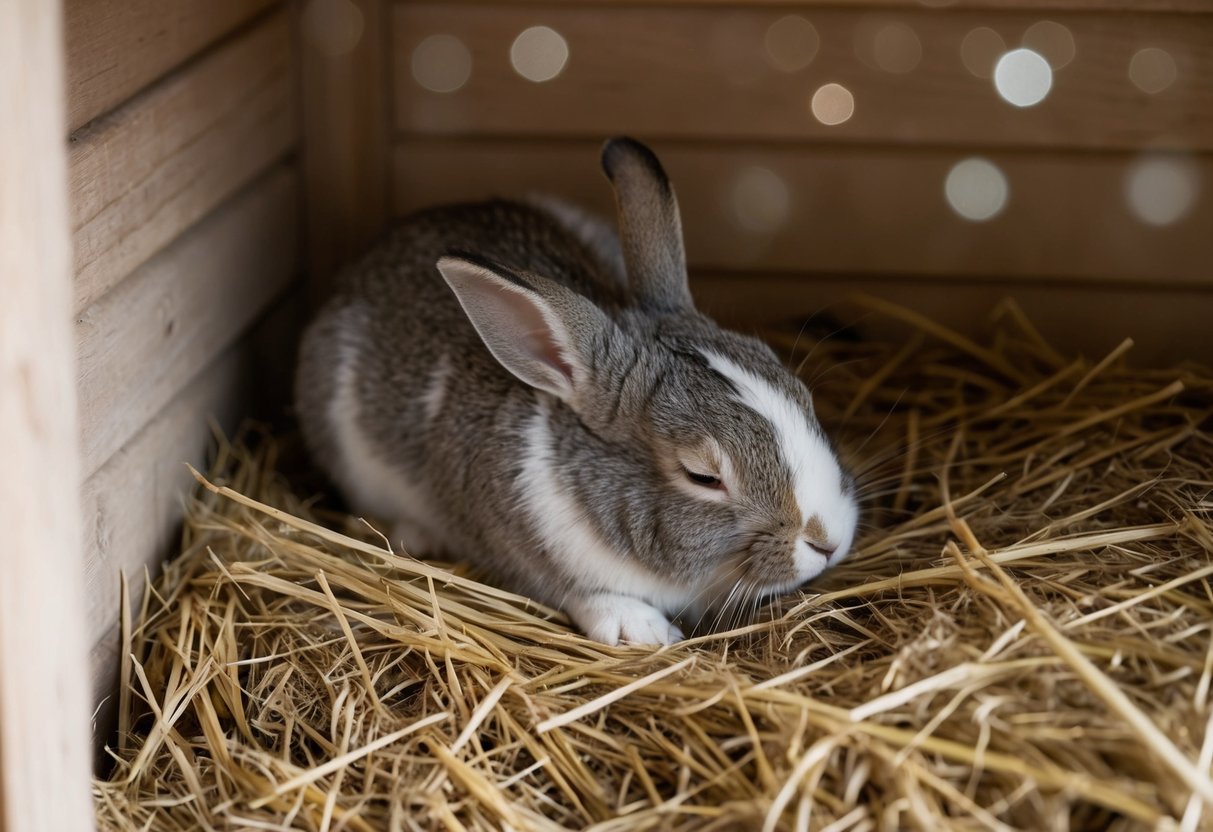
Creating a comfortable environment for your rabbit is crucial for their well-being. A suitable sleep area helps ensure they get the rest they need. Let’s explore how to optimize their sleep space effectively.
Optimizing Sleep Environment for Domestic Rabbits
To help your rabbit sleep well, start by choosing a quiet area away from loud noises and disturbances. Rabbits are light sleepers, so they need a peaceful setting.
Provide a cozy bed with soft bedding, like hay or a fleece blanket. This gives them a comfortable place to rest.
Make sure their sleeping area is clean and dry to promote good health.
Keep the temperature stable, around 60-70°F. Avoid drafts or extreme temperatures.
Also, ensure your rabbit has a hiding spot where they can feel safe. This security allows them to relax and sleep better.


