
Ever wondered how long honey bees hang out in one place? Well, it really depends.
Honey bees usually stick with the same hive or location for months, sometimes even years, as long as things are good and there’s enough food. They work nonstop to keep their home tidy and safe. Bees don’t really want to move unless something big happens, like rough weather or a disease outbreak.
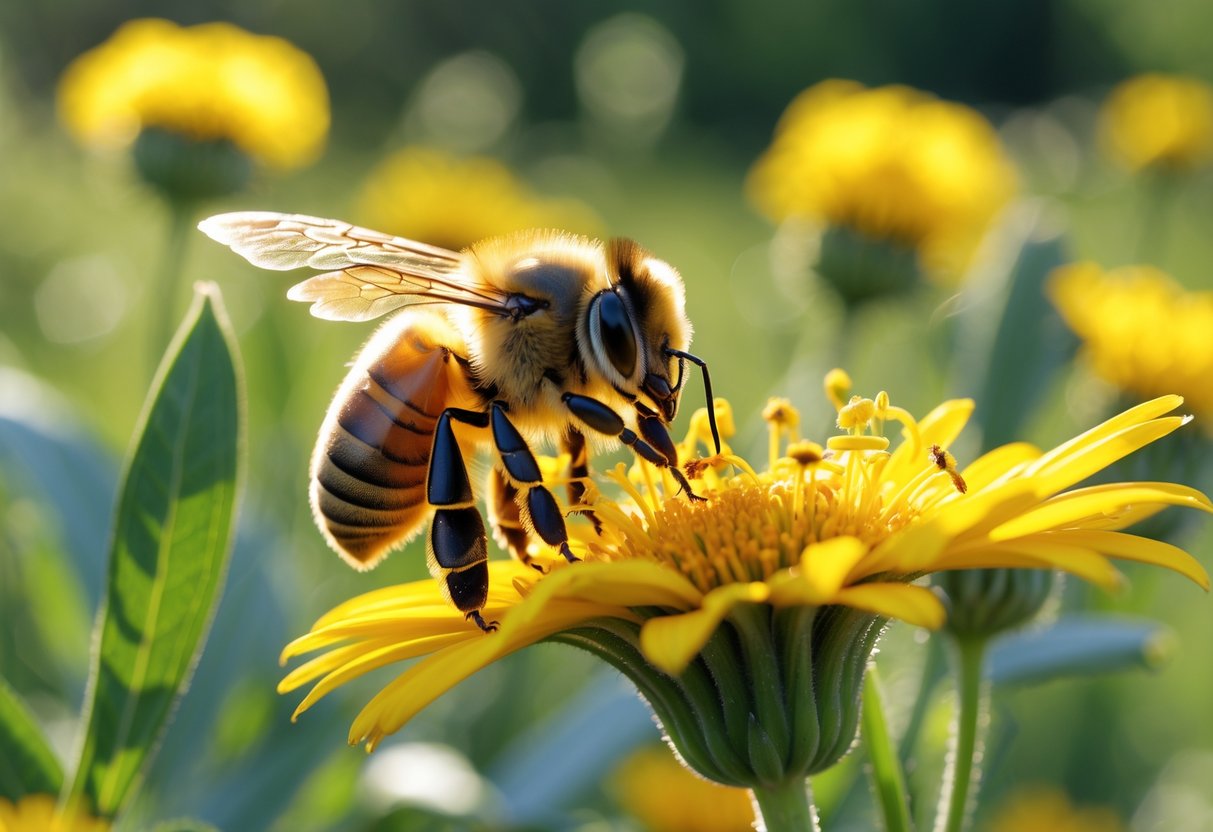
Sometimes, part of the colony swarms and takes off to find a new home. But most of the time, the main group stays put for quite a while.
If you get how long bees hang around, you’ll probably appreciate their role in nature more. Plus, you’ll see why it’s important to protect their homes.
Let’s look at what actually makes them move and how their time in one spot shapes their busy little lives.
How Long Do Honey Bees Stay Around and Why?

Honey bees decide where to stay based on food, safety, and space.
Sometimes they gather in one place for just a short while. Other times, they settle in and live in the same hive for months or even years.
Their behavior really changes depending on whether they’re swarming or settled down as a colony.
Duration of Swarms Versus Established Colonies
When honey bee swarms leave their hive, they barely stick around in one spot.
Swarms usually cluster on branches or other surfaces for just a few hours up to a few days. During this time, scout bees go out to search for a new home.
Once scouts find a safe place, the whole swarm moves out together.
Established colonies, though, stay in their hive for months or years at a stretch. If they have enough honey, the hive is safe, and things stay healthy, they don’t budge.
Worker bees constantly clean the hive and look after the queen, who’s always laying eggs. That keeps their numbers up.
What Happens When a Hive Is Removed
If someone removes a hive, the bees have to act fast. They’ll either try to relocate or, honestly, just die off.
Honey bees need the hive for shelter and to store their food. Without it, they can’t last long outdoors.
Sometimes, the whole colony just absconds—they all leave to search for a new home.
Scout bees immediately start looking for other places. They use pheromones to call the rest of the colony and lead the way.
If the bees don’t find a new place, their numbers drop off quickly. Worker bees only live a few weeks, so keeping their home safe is crucial for their survival.
Roles Within the Bee Colony That Influence Staying Time
Every bee in the colony has a job that affects how long they stick around.
The queen bee leads the group, laying up to 2,000 eggs a day. Her presence really keeps things stable and keeps everyone together.
Worker bees do the cleaning, gather food, and take care of the young. They only live about six weeks when things are busy.
Scout bees go out and explore when it’s time to swarm. They decide how long the swarm should rest by finding the best new spot.
The queen’s pheromones help hold the group together. Worker bees keep everything running smoothly. Scout bees figure out when and where to move, so the hive’s location really depends on their work.
Key Factors Affecting How Long Honey Bees Stay

You’ve probably noticed honey bees coming and going at different times. Their stay depends on a bunch of things—food, weather, and what’s happening near their hive.
All these factors decide how long bees stick around your garden or neighborhood.
Impact of Food Availability and Nectar Sources
Bees really rely on nectar and pollen to survive and keep working. When flowers are everywhere, bees have all the food they need, and the hive stays strong.
If nectar or pollen runs low, bees might leave to look for better sources, or their numbers can drop off.
Food supply even affects how much honey they can make. When beekeepers see fewer flowers blooming, they know the bees might not hang around.
You can actually help by planting lots of different flowers that bloom at different times. That way, bees always have something to eat.
It’s good to remember that pesticides can really hurt bees. Chemicals can poison them or kill off their food sources.
If you avoid using chemicals in your garden, you’ll help keep these pollinators safe and encourage them to stick around.
Influence of Weather and Environmental Conditions
Weather has a huge effect on how long bees stay active.
On warm, sunny days, bees fly out more to collect nectar and pollen. Cold, rainy, or windy weather keeps them inside the hive.
Season changes make a big difference, too. Summer bees work hard and only live a few weeks.
Winter bees slow down and can last for months. Sudden temperature drops or harsh weather can cut their lives short.
Storms, drought, and other rough conditions shrink food sources, so fewer bees stick around. That’s why steady, mild weather helps bees visit your plants more often.
The Role of Predators, Hive Safety, and Human Activity
Predators like birds, wasps, and hornets can really mess with bees. When bees notice danger too often, they might just decide to leave and find somewhere safer.
Beekeepers play a big role in keeping hives safe. They check for pests or signs of disease and use treatments to help bees stay healthy.
If no one takes care of the colony, the bees might leave or the whole hive could die off pretty quickly.
Human activity affects how long bees stick around, too. Pesticides, pollution, and habitat loss shrink the safe places bees can live.
If you want your bees to hang around, try to avoid harsh chemicals and plant more flowers. Honestly, every little bit helps these important pollinators do their thing in your garden.


