
Ever wondered if bees actually warn you before they sting? It might surprise you, but bees usually give some pretty clear signs when they feel threatened and want you to back off. Sometimes, they’ll bump into you or vibrate near their hive, almost like they’re saying, “Hey, please go away.”
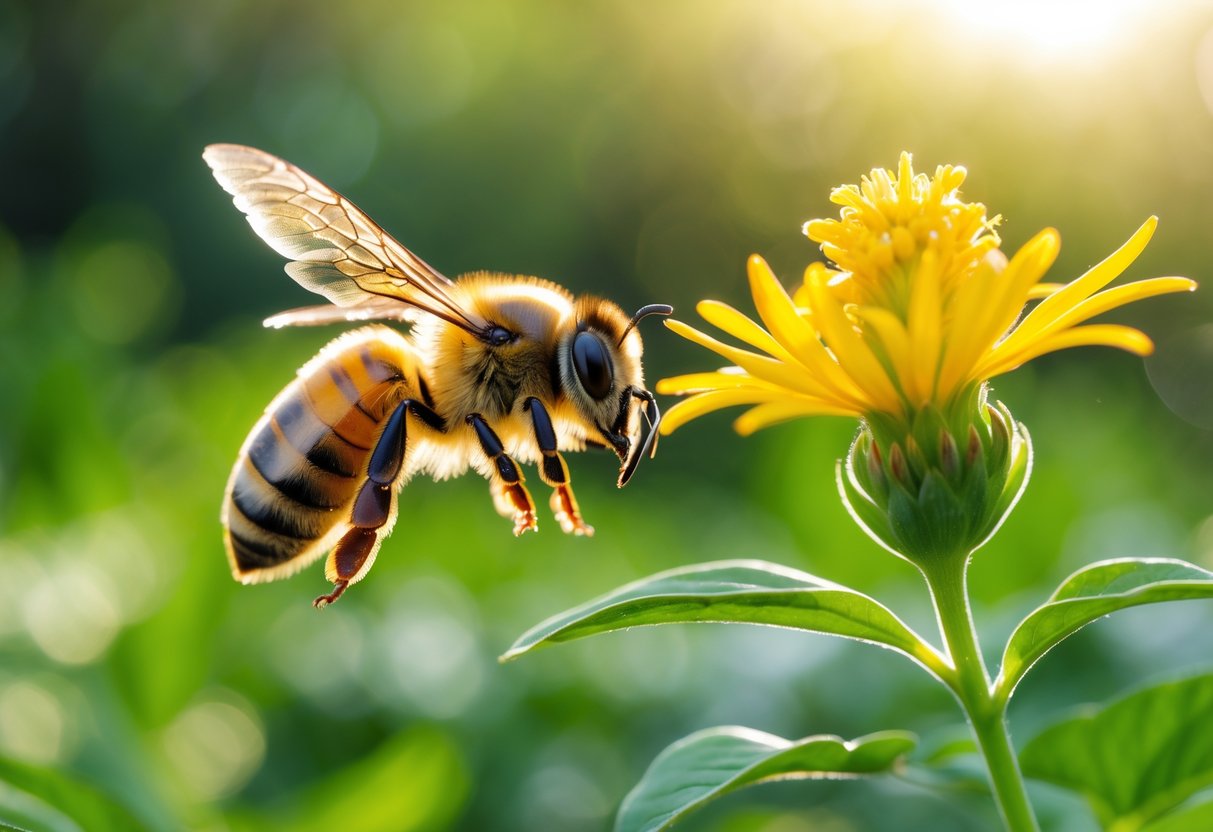
These behaviors give both you and the bees a chance to avoid trouble. If you know what to look for, your time outside can be a lot more peaceful.
Honestly, once you start noticing these warning signs, bees seem less like scary pests and more like little creatures just trying to protect their home. Curious about how bees warn you? Let’s dig in.
How Bees Warn of Danger

Bees don’t just sting out of nowhere. They use different ways to let their colony know there’s trouble and to protect themselves.
Depending on the bee and the situation, you might notice different signs. You’ll see warnings through chemicals, movements, and sounds—all meant to keep the hive safe.
Alarm Pheromones and Defensive Behaviors
When a bee stings, it releases alarm pheromones—these are special chemicals that basically shout “danger” to other bees nearby. The scent is sharp and a bit sweet, and it tells the rest of the hive to get ready for action.
Guard bees hang out at the entrance and react fast when they pick up these chemical signals. Africanized honey bees, in particular, react way faster and more aggressively than regular honeybees.
They might bump into you as a warning before actually stinging. Wasps and yellow jackets, on the other hand, can sting over and over and also release alarm pheromones that attract more wasps, which makes them extra dangerous in groups.
Vibrational Signals and Communication
Inside the hive, bees use vibrations to send messages about danger. Some guard bees shake their bodies to create a vibrating signal when a threat gets too close.
This vibration warns the others to get ready for defense, but it doesn’t make any noise outside the hive. Bees also do little dances and movements to spread the word about threats.
These quiet signals help the whole colony react quickly. Since bees rely a lot on touch and vibration (it’s dark in there, after all), these signals work really well.
Differences Between Bees, Wasps, and Hornets
Bees, wasps, and hornets all have their own ways of warning about danger. Honeybees usually act pretty calm and will give a warning before stinging.
After stinging, honeybees die because their stinger gets stuck. Wasps, yellow jackets, and hornets are more aggressive.
They can sting as many times as they want and call others by releasing strong alarm pheromones. This can turn into a big attack if they feel threatened.
If you notice a buzzing cloud, pay attention if bees bump into you or fly close to your head. That’s their way of saying you’re too close to their nest and they want you to leave.
You can check out more about these warning signs here.
What Happens When a Bee Warns You

Bees usually try to warn you before they sting. They show certain behaviors to protect their colony, especially the guard bees near the hive.
If you spot these signs, they want you to move away. Ignoring them? Well, you might get stung.
Typical Warning Signs from Bees
Bees give off some pretty clear signals when they feel threatened. A common one is when a bee bumps into you—it’s like a gentle nudge to back off.
You might also notice bees hovering really close to your skin or looping around your head again and again. Honeybees often buzz louder when they’re agitated.
Africanized honey bees react faster and might fly aggressively near you to signal danger. Guard bees patrol the hive entrance and use a chemical called an alarm pheromone to tell others to get ready to defend the colony.
Reactions to Warnings: What to Do
If a bee bumps you or hovers close to your face, try to stay calm. Don’t swat at it.
Move away slowly and quietly to give the bee space. Quick or jerky movements can make things worse.
You can cover your face with your hands or just turn around and walk away from the hive area. Avoid loud noises or acting aggressive.
Honestly, just backing off and giving them some room is the best way to avoid getting stung.
Potential Escalation to Stinging
If you brush off a bee’s warning signs, things can get out of hand fast. Bees actually release alarm pheromones to alert their colony, and suddenly, you might have a crowd coming your way.
When a honeybee stings, it leaves its barbed stinger stuck in your skin. The bee ends up dying because of it.
Africanized honey bees? They act a lot more aggressively. You’ll notice they sting much quicker, and if their hive feels threatened, you could face a swarm.
Bees use the waggle dance to communicate, and sometimes that spreads the danger signal to others nearby. That really bumps up your chances of facing a group defense.
It’s worth learning these behaviors so you can avoid trouble and still respect how important bees are in nature.


