
Watching a mother Arctic wolf care for her pups is a remarkable sight. These fascinating creatures have a unique family structure that ensures the young wolves are well looked after. Arctic wolf pups typically stay with their mother for about two years, growing and learning important survival skills during this time.

As the pups grow, they become more active and engage with their pack, learning to hunt and socialize. This close relationship with their mother is crucial for their development.
Arctic wolf pups stay with their mother for about 10 months. During this time, they grow and learn important survival skills.

Understanding Arctic Wolf Pups
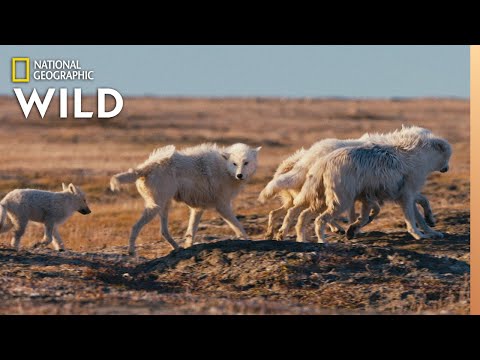
Arctic wolf pups have a unique and fascinating development stage. From birth to their time spent with the pack, they grow and learn important skills to survive in the wild.
Birth and Early Development
Arctic wolf pups are born in late May to early June after a gestation period of about 63 days. The pups are typically born in a den, which provides shelter and safety. At birth, they are blind and deaf, fully relying on their mother for warmth and nourishment.
The litter usually consists of two to three pups, though larger litters can occur. In the early weeks, pups grow quickly as they nurse from their mother.
After about six weeks, they begin to venture out and explore the den area. This is a crucial time for their physical and sensory development.
As they grow, their fur will change from dark to lighter shades, and their blue eyes start to shift to yellow-gold or orange. This transformation happens between eight and 16 weeks.
The first few months are essential for building a healthy foundation for their future as thriving wolves.
Pup Socialization Within the Pack
After about six weeks, your Arctic wolf pups leave the den to join their pack. This socialization phase is vital as they learn from older wolves, especially their litter mates. They engage in play, which helps develop their hunting skills and social bonds.
At around eight months, they reach maturity but traditionally stay with their pack for up to two years. This time allows them to learn hunting strategies, gather social skills, and understand pack dynamics. Older wolves often take an active role in mentoring the younger ones.
Puppy interactions are filled with play-fighting, chasing, and vocalizations. Such activities strengthen bonds and prepare them for adulthood. Being part of a pack provides safety and support, which is crucial for their survival in the wild.
The Role of the Arctic Wolf Family
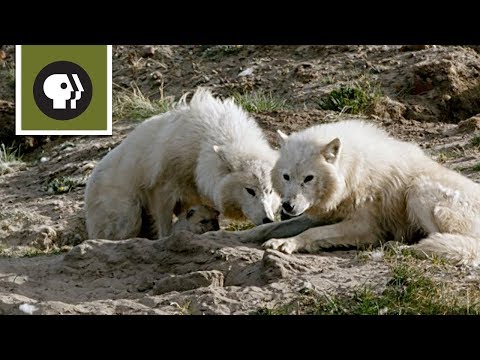
The Arctic wolf family plays a crucial role in the survival and development of pups. The dynamics within the pack ensure that the young wolves receive the care and protection they need during their early life. Here, we will explore the specific roles of parents and the pack’s contribution to raising pups.
Parental Roles and Hierarchy
In an Arctic wolf pack, the alpha male and beta female are the primary caregivers. The alpha pair typically mates and raises the pups together. This strong bond ensures that they work as a team in providing food and protection.
The alpha female takes on the main role in nursing the pups. She is highly protective and tends to the den, allowing only trusted pack members near the young ones. The beta female may also help by feeding the pups if necessary.
Wolves within the pack respect these roles, understanding their place in the hierarchy. This structure allows for an organized approach to pup-rearing, increasing the chances of survival in the harsh Arctic environment.
Contribution of the Pack in Pup Rearing
The entire wolf pack is essential in helping raise Arctic wolf pups. While the alpha pair focuses on direct care, other wolves contribute by bringing food and keeping the den safe. This teamwork ensures that the pups have enough to eat and remain protected from threats.
When the pups are about six weeks old, other pack members start regurgitating food for them. This practice allows pups to eat solid food while still relying on their mother.
As the pups grow, they start to learn essential survival skills from older wolves. This learning includes hunting techniques and social behaviors necessary for living in a pack. Each member of the family group plays a part, creating a robust support system for the younger wolves.
Habitat and Lifestyle
The habitat and lifestyle of Arctic wolves are fascinating. You will discover their special adaptations to survive in the harsh arctic regions, as well as their effective strategies for hunting prey.
Adaptations to the Arctic Environment
Arctic wolves thrive in the tundra, an area characterized by its cold climate and limited vegetation. Their thick fur coats keep them warm in freezing temperatures. This fur is usually white, helping them blend into the snowy landscape.
Their bodies are smaller and stockier than other wolves, which assists in conserving heat. You might also notice their smaller ears, which reduce heat loss. In addition, Arctic wolves have larger paws that act like snowshoes, allowing them to walk on soft snow with ease.
Living in these rugged environments, Arctic wolves can cope with long periods of darkness during winter. They are social animals, forming packs that usually consist of 7 to 8 individuals. This pack structure helps them to navigate and find food more effectively in their icy habitats.
Prey and Hunting Strategies
The diet of an Arctic wolf mainly consists of large mammals like caribou, musk oxen, and moose. In the spring and summer, they also hunt smaller animals such as arctic hares and lemmings. These prey choices are important for their survival in the tundra.
Arctic wolves are skilled hunters. When hunting in a pack, they work together to chase and herd their prey. They often use quick bursts of speed to catch caribou or other large animals. This teamwork increases their chances of a successful hunt.
Interestingly, Arctic wolves can go several days without food. In winter, when hunting conditions are tough, they might travel far and wide to find food. This adaptability is vital for thriving in the Arctic environment.
Conservation and Lifespan

Understanding the conservation status and lifespan of Arctic wolves is essential to appreciate their role in the ecosystem. While these wolves face threats, efforts are in place to protect them. Their lifespan in the wild also highlights their adaptability to harsh environments.
Threats and Protection Efforts
The Arctic wolf, or Canis lupus arctos, is classified as a species of “least concern.” This means their populations are stable overall. However, they still face threats, primarily from climate change, habitat loss, and dwindling prey.
In some regions, hunting and trapping can impact their numbers. Protection efforts include habitat conservation and wildlife laws that limit hunting. Conservation programs aim to monitor populations and educate locals about the importance of Arctic wolves in their ecosystem.
These wolves play a vital role in maintaining the balance of Arctic ecology. Their presence helps regulate prey populations, like caribou, ensuring a healthy environment.
Arctic Wolf Lifespan in the Wild
Arctic wolves in the wild typically live from 7 to 10 years. Factors such as food availability, climate conditions, and disease can influence their longevity.
In captivity, these wolves can live longer. Sometimes, they reach over 15 years due to better healthcare and food supply.
They grow into full adulthood by about 8 months, but most remain with their pack for several years. This social structure provides safety and aids in learning essential survival skills. The support from the pack enhances their chances of thriving in the harsh Arctic environment.


