
Ever wondered how long a chipmunk can actually go without food? You’re definitely not alone there. These little guys dart around all day, always on the lookout for their next snack. But honestly, when it comes to surviving without eating, chipmunks don’t last long.
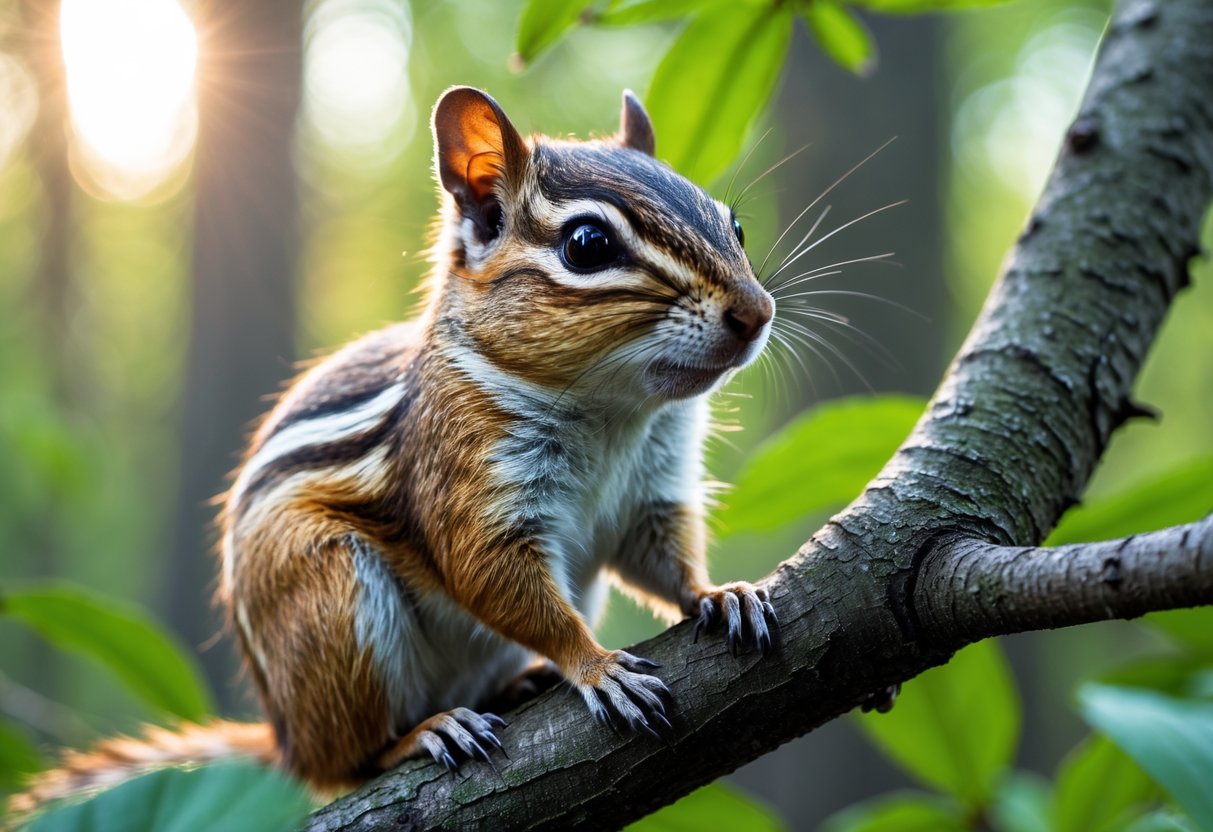
A chipmunk won’t live longer than two to three days without food or water. Humans can go for weeks without eating, but chipmunks? They need food often to keep their energy up and stay healthy.
This fact really shows why they’re always foraging. Curious about what chipmunks eat or how they manage to survive? Let’s get into it.
How Long Can a Chipmunk Live Without Food?
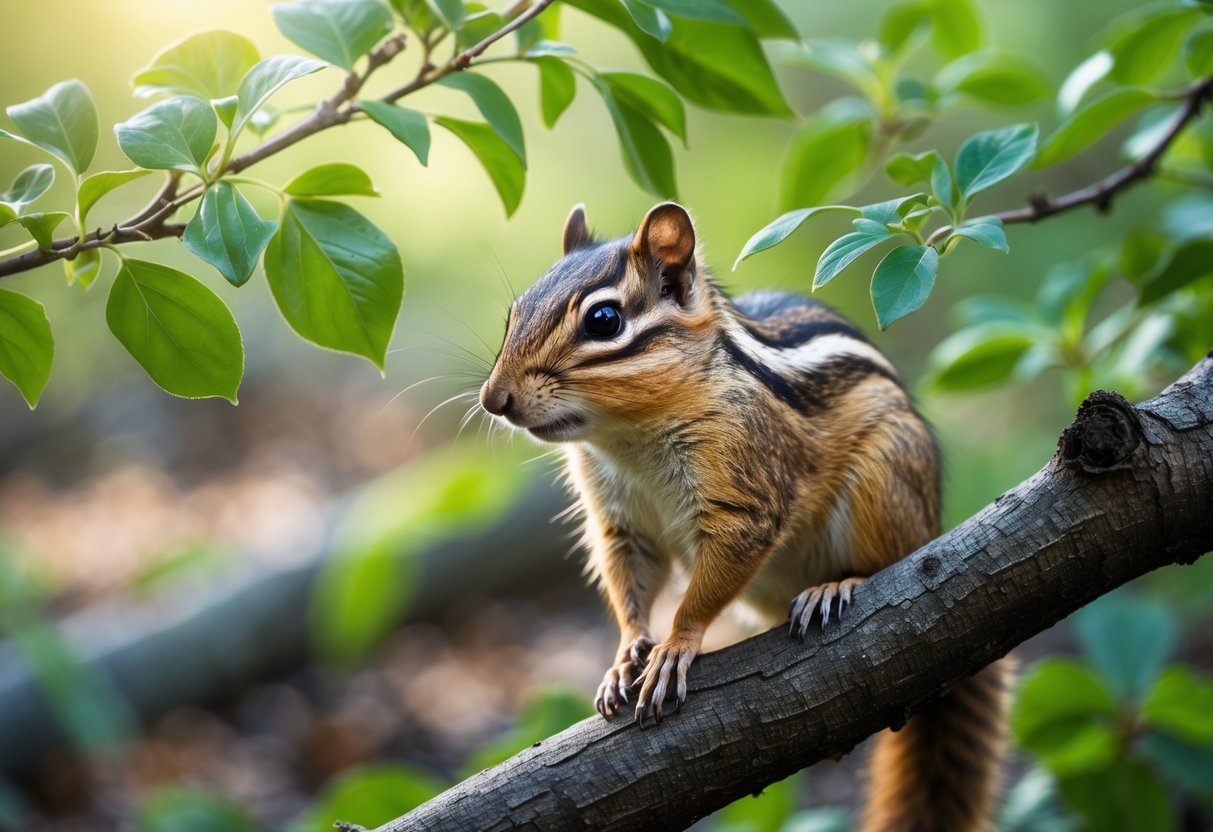
A chipmunk’s survival without food depends on things like health, species, and whether it’s hibernating. Generally, chipmunks don’t last long without eating, but you’ll notice some differences between wild and captive chipmunks, and even between species.
Typical Survival Time Without Food
Chipmunks won’t make it past two or three days without food or water. Their small bodies burn through energy quickly, so skipping meals weakens them fast.
If a chipmunk can’t find food in that window, it gets weak and might not survive. Water is just as crucial—dehydration hits them quickly. If you care for pet chipmunks or want to help wild ones, keeping food and water around really matters.
Factors Influencing Food Deprivation Survival
A chipmunk’s age, health, climate, and fat stores all play a part in how long it can go without eating. Young or weaker chipmunks have a tougher time lasting even a couple of days.
Warm weather makes chipmunks use more energy, so they need to eat more often. If a chipmunk is sick, it burns calories faster and weakens more quickly when food is missing.
Water changes things too. Chipmunks need it to process fat and get through short periods without food.
Differences Between Chipmunk Species
Not every chipmunk handles hunger the same way. The Siberian chipmunk, for example, stores more fat and food before cold weather hits, so it might survive longer without eating compared to North American chipmunks.
Most chipmunks in the wild live about 2 to 3 years. Siberian chipmunks can live longer in captivity, which might help them deal with food shortages better.
Different species have their own habits and energy needs. Knowing which chipmunk you’re looking at helps you guess how long it can last without food.
Impact of Hibernation on Food Needs
When chipmunks hibernate, sometimes for up to seven months, they rely on stored fat instead of daily meals. During hibernation, their metabolism slows way down, so they don’t need to eat or drink as much.
Chipmunks work hard to stock up on food and fat before hibernation starts. If they can’t collect enough, winter becomes a real danger.
Hibernation lets chipmunks go much longer without food, but only in winter. When they’re awake, they need regular meals to keep going. For more details, you might want to check out chipmunk behavior and lifespan here.
Health, Lifespan, and Risks During Food Shortage
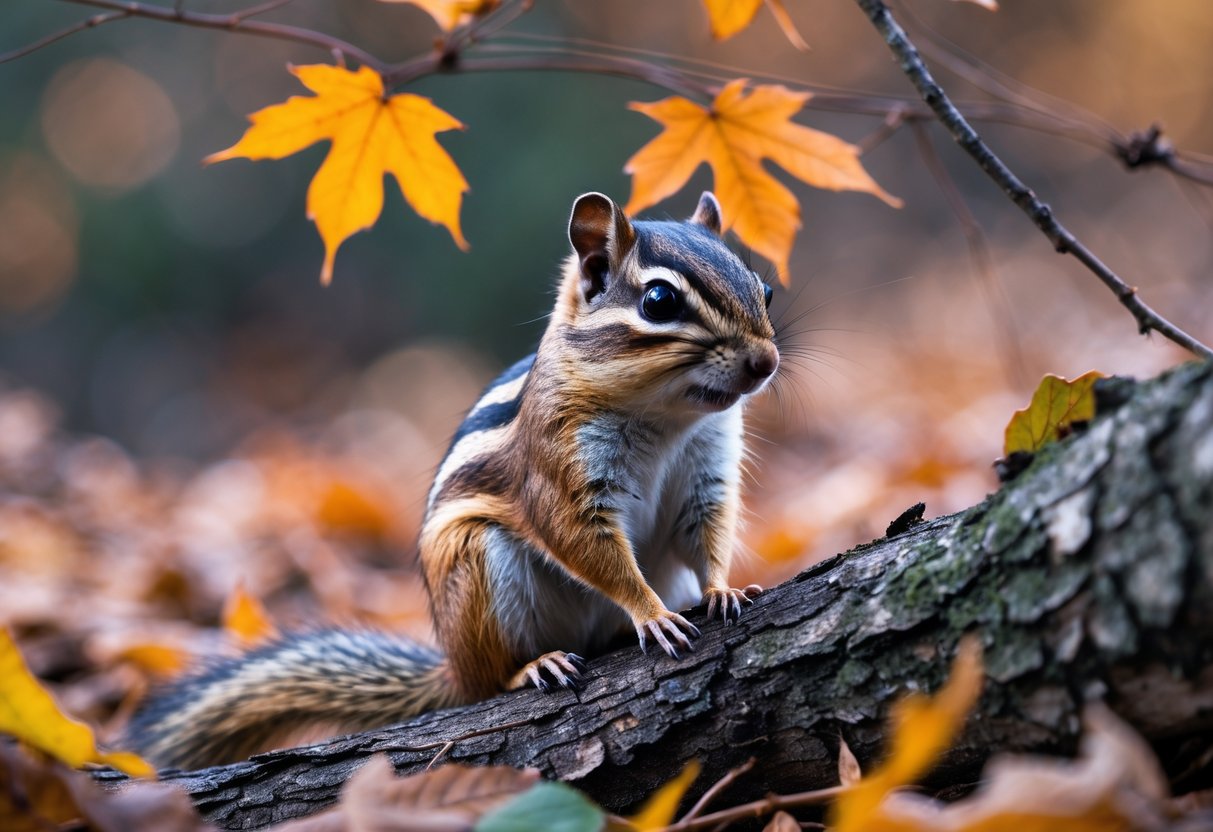
When chipmunks can’t find food, their health takes a hit fast. They become more vulnerable to diseases, predators, and whatever the environment throws at them. Some illnesses pop up more often when chipmunks go hungry or don’t get enough nutrients.
Diseases Related to Malnutrition
If chipmunks don’t eat enough, they can get metabolic bone disease. Their bodies miss out on nutrients like calcium, and you might notice weak bones or trouble moving.
Malnutrition also knocks down their immune system. That makes chipmunks more likely to catch infections, like upper respiratory infections. You’ll see sneezing, runny noses, or breathing problems if that happens.
If hunger drags on for a few days, chipmunks just can’t survive. Their bodies need energy from food, and without it, things fall apart quickly.
Predators and Environmental Threats
Hungry chipmunks slow down and get less alert. Predators—hawks, owls, foxes—find it easier to catch them. When food is scarce, chipmunks spend more time searching for snacks and less time hiding, which puts them at greater risk.
Bad weather doesn’t help either. Cold winters or dry spells cut down on available nuts and seeds, so chipmunks struggle to store enough to get by.
Comparisons With Ground Squirrels
Ground squirrels deal with a lot of the same risks as chipmunks during food shortages. Both can suffer from malnutrition and weak immune systems.
But ground squirrels often hibernate deeper and longer than chipmunks, which helps them survive months without eating. Chipmunks stay active or hibernate with shorter breaks, so they face hunger more often.
Both animals need to be careful about gathering enough food, since predators and diseases don’t give them much slack when supplies run low.
Common Illnesses and Infections
Chipmunks don’t just deal with malnutrition—they can also pick up illnesses from their surroundings. Hantavirus is a pretty serious disease that rodents, including chipmunks, spread through their droppings or urine.
Upper respiratory infections hit chipmunks pretty often, especially when they’re already feeling weak. You’ll notice signs like watery eyes, sneezing, or a little cough.
Fights or run-ins with predators sometimes leave wounds, and those can get infected fast. If no one treats these infections, they might get much worse.
When chipmunks don’t get enough food, they just can’t fight off sickness as well.


