
Ever wondered how likely a bee is to sting you if it lands nearby? The truth is, most bees only sting when they feel threatened or trapped. Many won’t sting at all unless you provoke them.
If you understand how bees behave, you’ll probably feel a lot calmer and more confident around them. That’s half the battle right there—just knowing what makes them tick.

Not every bee acts the same way. Honeybees, for example, sting just once and then, well, they die. Bumblebees can sting more than once, but honestly, they’re not that aggressive.
Solitary bees? They’re even less likely to sting you since they don’t have a hive to protect.
If you get why bees sting and what they’re up to, you’ll have a much easier time outside, even if they’re buzzing around. Want more details? You can check out how likely is a bee to sting.
How Likely Is a Bee to Sting You?

Bees sting mostly to protect themselves or their hives. Several things play into your chances of getting stung—like what kind of bee you’re dealing with, how you act, and what’s going on around you.
Key Factors That Affect Your Chances of Being Stung
Bees usually sting if they feel threatened or get trapped. If you swat at a bee or crush one, you’re way more likely to get stung.
When a bee stings, it releases a chemical called pheromone. That stuff signals other bees nearby to get ready to defend the hive, which can mean more stings if you’re not careful.
How you behave makes a difference. If you move slowly and skip the loud noises, you’re less likely to bother them. Wearing bright colors or heavy perfume? That tends to attract bees and can up your risk.
If a bee lands on you, just stay calm and still. Most of the time, it won’t sting if you don’t freak out.
Differences Among Bee Species and Their Aggressiveness
Bee species aren’t all the same. Honeybees are mostly gentle and only sting when you push their buttons. After they sting, they die because their stinger gets stuck in your skin.
Bumblebees can sting more than once, but they usually don’t. Africanized bees—people call them “killer bees”—are a whole different story. They get aggressive fast if you mess with them.
Solitary bees almost never sting. They don’t have a hive to guard, so unless you handle them roughly or squish them, you’re probably safe.
Typical Bee Behavior Around Humans
Most bees just want to collect pollen and nectar. They’re not out to sting people and usually steer clear of humans.
Honeybees will defend their colony if they sense danger. If one stings, it sets off alarm pheromones, which can rile up other bees nearby.
Solitary bees and bumblebees don’t really do that, so you’re less likely to get stung by a bunch of them at once.
If you treat bees with respect and move calmly, you’ll cut down your odds of a sting. Just don’t go poking at hives.
Want to dig deeper? Check out more on bee stinging behavior and the scoop on bee species and their aggressiveness.
What Happens When a Bee Stings?
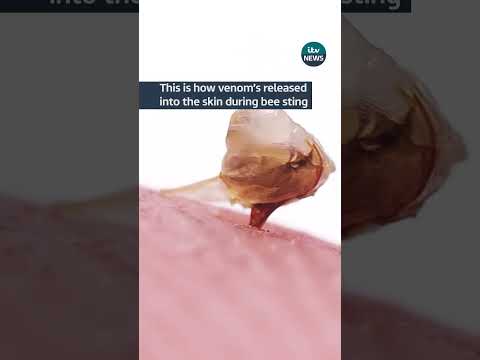
When a bee stings, it injects venom into your skin. That’s what causes the pain and swelling.
Depending on the person, the reaction can be mild or, in rare cases, really serious. Different insects have different ways of stinging, and their venom hits your body in unique ways.
How Bee Stings Work and What to Expect
A honeybee’s barbed stinger pierces your skin and gets stuck. That lets venom flow in, causing pain, redness, and swelling.
Because the stinger stays behind, the bee dies after stinging you. Sometimes you’ll see a little white sac attached to the sting—that’s the venom sac. If you scrape it off quickly, you might get less venom.
Most people just deal with some discomfort and mild swelling for a few hours or days. If you get severe pain or the redness spreads, keep an eye out for serious symptoms.
Why Bees Sting: Defense and Survival
Bees sting to protect themselves and their hive. When a honeybee stings, it releases alarm pheromones that alert other bees to danger.
For the bee, stinging a mammal like us is pretty much a one-way trip. It loses its stinger and dies, so it’s not something bees do lightly.
If you mess with a hive or grab a bee, you’re a lot more likely to get stung. Staying calm and moving slowly can really help you avoid trouble.
Bee Venom and Allergic Reactions
Bee venom has proteins that irritate your skin and immune system. Most people get pain, swelling, and redness that fade after a few days.
Some folks, though, have an allergic reaction called anaphylaxis. Signs include itching, rash, swelling of the face or throat, trouble breathing, or a tight chest.
This kind of reaction usually starts within an hour and needs fast medical help. If you know you’re allergic, carrying an epinephrine injector (EpiPen) is a must.
Stings From Other Insects: Wasps, Yellow Jackets, and Hornets
Wasps, yellow jackets, and hornets don’t lose their stingers like honey bees do. Instead, they can sting you over and over because their stingers stay smooth and don’t get stuck.
Their venom usually brings pain and swelling, but sometimes it feels even worse or triggers odd allergic reactions. These insects have a reputation for being more aggressive, especially when they’re near food or guarding their nests.
If one of these stings you, you’ll probably notice several stings or bigger patches of swelling. Figuring out which insect got you can really help you treat the sting and avoid it next time.
Curious about how bee stings actually work? You can check out bee stings work and what to expect for more info.


