
Skunk smell hits hard—sharp, sulfurous, and almost impossible to ignore. When a skunk sprays, you’re dealing with a nasty mix of sulfur compounds that can stick to your clothes, skin, and even your pets for days if you don’t act fast.

Skunk spray is honestly brutal. The sulfur-based scent can make your eyes water and your nose wrinkle up in protest. Skunks use this as a defense to scare off threats, but if you or your dog gets caught in it? Well, it’s a headache you won’t forget soon.
Knowing what’s behind that awful smell and how to deal with it can save you a lot of hassle.
Ever wondered why skunk odor just won’t go away? Or how to get rid of it, fast? You’ll find some straightforward answers here, plus a few tricks for when the stench hits you head-on.
What Causes Skunk Smell and Why It Lingers

Skunks spray a powerful chemical when they feel threatened. This stuff doesn’t just disappear—it lingers for days, sometimes weeks, thanks to how these chemicals behave and stick around. If a skunk’s been nearby, you might catch the smell both inside and outside your house.
The Nature of Skunk Spray
Skunks built their own defense system. When scared, they shoot out an oily spray from glands by their tail, aiming up to 10 feet away. That buys them time to escape.
The spray clings to just about anything—clothes, skin, pets, you name it. Since it’s oily, it doesn’t evaporate quickly. The scent can stick around in your house, on your stuff, or on your pet, sometimes for days.
Chemical Compounds: Thiols and Skunk Oil
Thiols are the main villains here. These sulfur-based chemicals smell awful—think rotten eggs or garlic, but worse. Skunk oil is packed with them.
Thiols don’t break down easily. They evaporate slowly and stick to almost everything. Even the tiniest bit can stink up a whole room. The combo of oil and thiols is what makes skunk spray so stubborn and overwhelming.
Sources of Skunk Odor Indoors and Outdoors
You’ll usually notice skunk odor outside first—maybe near your yard, garden, or wherever skunks hang out. The smell can sneak in through open windows, doors, or tiny cracks in your foundation.
Inside, the odor sticks to carpets, furniture, clothes, and especially pets. The oily spray soaks in, and even after you air things out, the smell can come back if you haven’t cleaned it all up. Pets often drag it inside after getting sprayed.
Curious about why your house smells like skunk and what to do? You might want to check out this guide.
Effective Ways to Remove and Neutralize Skunk Odor
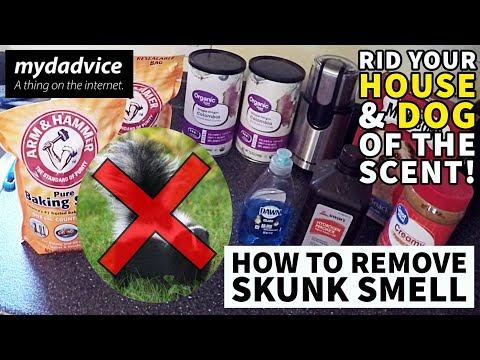
Skunk odor clings to fur, skin, fabrics, and even hangs around in your home or car. If you want to get rid of it, you’ll need the right cleaning tricks, some air flow, and a bit of patience.
DIY Solutions: Hydrogen Peroxide and Baking Soda
One of the most effective home remedies is a mix of hydrogen peroxide, baking soda, and dish soap. This combo breaks down the smelly oils.
Here’s how you make it:
- 1 quart of 3% hydrogen peroxide
- 1/4 cup baking soda
- 1 teaspoon liquid dish soap
Mix it in an open container and use it right away. Rub it onto the affected spots—pet fur, clothes, whatever got sprayed. Wait 5-10 minutes, then rinse thoroughly.
Don’t get it in anyone’s eyes, and keep it off delicate fabrics. Never store the mix in a closed container—it can build up pressure and burst. Honestly, this homemade remedy works way better than just soap and water.
Odor Removal from Pets, People, and Homes
If your pet or you get sprayed, act fast. Wash up with the DIY mix or a special pet de-skunk shampoo.
Let fresh air in—open windows and run fans to push the stinky air out. Sprinkle baking soda on carpets or upholstery, leave it for a few hours, then vacuum it up.
For hard surfaces, wipe them down with vinegar and water. That helps cut through the lingering odor.
Try using activated carbon filters in your air purifier. These filters trap odor molecules, helping your home smell normal again.
Commercial Skunk Odor Removers and Filters
Plenty of commercial products exist for skunk odor removal. Pet shampoos made for de-skunking are often gentler than homemade mixes, so follow the directions carefully.
For your car or house, you’ll find sprays and cleaners designed to neutralize thiols. Some people use ozone generators—these machines break down odor in the air. Just be careful; ozone isn’t great for your lungs if you breathe it in directly.
Preventing and Managing Skunk Encounters
Nobody wants to deal with a skunk’s stink, right? So, it’s smart to block off any holes around your home’s foundation or under decks where skunks might sneak in.
Keep your trash cans shut tight. Try not to leave pet food outside either—skunks love an easy meal.
I’ve found that motion-activated lights work pretty well. Skunks usually stick to the shadows, so a sudden light can make them think twice.
If skunks keep showing up, maybe give commercial skunk repellents a shot. Some use strong smells or little granules that skunks just can’t stand.
And don’t forget to keep an eye on your pets during walks, especially at night. That way, you’ll lower the risk of a surprise skunk encounter.


