
So, you want to spot a queen bumblebee? The easiest trick is to check for size—she’s way bigger than the workers and the males. Queen bumblebees just look rounder and fluffier, with thick, fuzzy hair all over. When you see a bunch of bumblebees together, the queen really pops out.

Queens don’t just look different—they act differently too. You might catch a queen wandering around, hunting for a cozy spot to start her nest, usually close to flowers or tucked away in little hideouts.
If you’ve ever stared at a bumblebee and thought, “Wait, why does that one look so different?”—well, these clues make it much easier to pick out the queen next time you’re outside. For some expert tips, check out knowanimals.com.
How to Identify a Queen Bumblebee
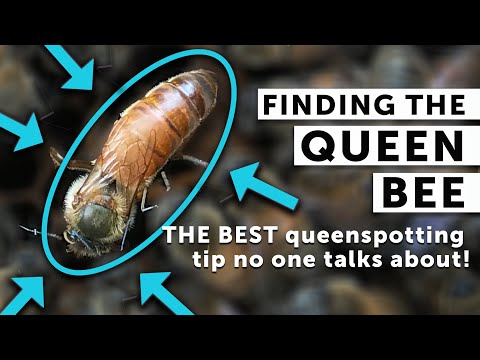
Start by checking her size and colors. Compare her to the worker and male bees nearby. Watch how she behaves, especially if she’s collecting nectar or pollen.
Size and Physical Appearance
You’ll notice the queen bumblebee is much bigger than the rest. She usually measures between 20 to 33 millimeters—about as big as a quarter.
Her body looks rounder and even fuzzier, with thick hair covering her head, thorax, and abdomen.
Workers and drones are smaller and slimmer. Female workers stay pretty petite, while male drones sometimes look similar in size but have different wing shapes and faces.
The queen’s big, rounded abdomen holds her eggs. That’s why her body is so chunky.
If you focus on size, you’ll spot the queen pretty quickly. Sometimes she moves slower, maybe carrying pollen, but she’s mostly out there looking for a nest.
Distinctive Colors and Markings
Queens usually share the same color patterns as their workers, but their markings tend to be sharper and brighter. For instance, a buff-tailed queen shows off a buff-colored tail and yellow stripes on her thorax and abdomen.
In lots of species, queens flash brighter yellow or orange bands mixed with black. These colors help you tell them apart from workers, who often look a bit duller.
Just remember, colors can really vary depending on the bumblebee species. If you want to get specific, look up some guides on queen bee markings for your area.
Queen Versus Worker and Male Bees
Workers are the smaller ones—you’ll see them doing most of the foraging, collecting nectar and pollen, and building the nest.
Male bees, or drones, run a bit bigger than workers but don’t reach queen size. Drones don’t bother with food collecting.
The queen’s main job is to lay eggs and kickstart the colony. You’ll often find her near nests or laying eggs in wax pots.
Workers dart around flowers, but queens stick close to the nest, especially when they’re building up the colony early on.
Queens also show up earlier in the spring, which usually means a new colony is about to start.
Behavioral Clues in the Wild
Queens act differently from workers if you watch closely. At the start of the season, queens search alone for nest sites.
You might see her crawling low to the ground, scoping out the perfect spot.
She spends time building little wax pots to store nectar and pollen for her babies. While workers are out foraging, the queen focuses on the nest and caring for larvae.
If you spot a big bumblebee flying low and slow near flowers or poking around possible nest spots, chances are, you’re looking at a queen.
Watching these quirks makes it easier to tell queens apart, even if you’re not sure about size.
For more tips, you can check out how to identify a queen bumble bee.
The Queen Bumblebee’s Role and Life Cycle

The queen bumblebee basically gets the whole colony started. She wakes up from hibernation, hunts for a nest, and lays the eggs that become the first workers.
Her efforts set the stage for everything that comes next.
Emergence and Hibernation Habits
After spending winter underground, the queen bumblebee wakes up in early spring.
She doesn’t eat during hibernation and emerges hungry, searching for nectar and pollen to recharge.
Her larger size helps her survive the cold. When she finally starts flying for food, you’ll notice how much bigger she is than the workers and males.
This is when she gears up to build her new nest.
Nesting Site Selection and Nest Building
You’ll spot the queen searching for a safe, hidden place to make her nest. She likes spots like old rodent burrows, piles of leaves, or spaces under sheds.
She wants somewhere sheltered, dry, and safe from predators.
Once she finds her spot, she starts building the nest. She collects pollen and nectar to feed herself and her future babies.
This little nest will soon become home for the whole colony, protected by the new workers she’ll produce.
Egg Laying and Colony Development
The queen starts things off by laying her first eggs right after she builds the nest.
These eggs hatch into worker bees—small females that jump into action.
Workers handle almost everything: they collect nectar and pollen, look after younger bees, and defend the nest when needed.
Meanwhile, the queen mostly sticks to laying more eggs while her workers take care of the rest.
As the colony gets bigger, the queen’s eggs turn into even more workers, and eventually, some become new queens or males.
That cycle keeps the whole colony buzzing along until it wraps up at the end of the year.
Honestly, it’s kind of amazing how much the queen shapes the entire colony’s life and growth.
Learn more about the life cycle of the queen bumblebee.


