
Want to spot a bumblebee in the UK? Start by checking out its size, shape, and the color patterns on its body.
Bumblebees tend to be big and round, with fuzzy bodies covered in bands of black, yellow, or orange. Their slow, sometimes clumsy flight and that low buzzing noise give them away in gardens and parks.

You’ll see all sorts of bumblebee types across the UK, but if you focus on their stripe patterns and tail color, you’ll have an easier time telling the species apart.
Knowing just these details makes watching these pollinators up close much more fun, especially when the weather’s warm.
Identifying bumblebees is honestly a pretty enjoyable way to connect with nature.
Once you start noticing their colors and how they act, you’ll get better at telling them apart from other bees buzzing around.
If you want to dive deeper, check out this Common UK bumblebees ID guide.
How to Identify a Bumble Bee in the UK
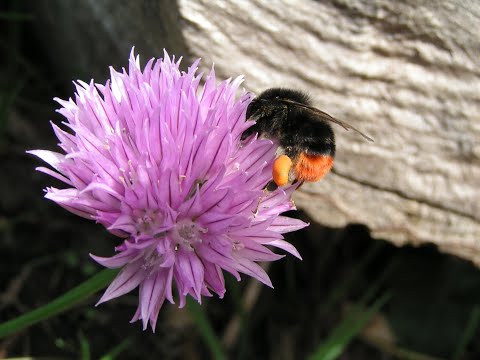
You can spot bumblebees by paying attention to their size, color patterns, and how they move.
If you know how they’re different from honey bees and solitary bees, you’ll find it much easier to tell them apart.
People often make simple mistakes when identifying bees, so watch for those to avoid confusion.
Key Physical Characteristics
Bumblebees are usually large and rounded, with a furry body.
Their thick, soft coat of hair can be yellow, black, white, or orange. Most species have clear color bands across the abdomen.
Take the buff-tailed bumblebee, for example—it’s got a yellow collar and a white tail.
Their wings look clear and seem a bit small for their chunky bodies.
Bumblebee legs often appear furry, which helps them carry pollen.
Queens are bigger than workers and males, so keep an eye out for size differences.
For more details and pictures, you can browse this Bumblebee Identification Guide.
Differences Between Bumblebees, Honey Bees, and Solitary Bees
Bumblebees are bigger and a lot fuzzier than honey bees.
Honey bees have slimmer, smoother bodies with less hair, usually in amber or golden brown shades.
Bumblebees move more slowly and their buzz is deeper.
Solitary bees are smaller and not as hairy.
They don’t live in colonies and usually have shiny bodies.
Solitary bees work alone—no queens, no workers, just individual bees doing their thing.
Here’s a quick comparison:
| Feature | Bumblebees | Honey Bees | Solitary Bees |
|---|---|---|---|
| Size | Large, round | Medium, slim | Small |
| Body Hair | Thick and furry | Thin and smooth | Varies, less furry |
| Social Structure | Colonies with queen | Colonies with queen | Live alone |
Common Mistakes in Identification
People often mix up bumblebees with honey bees or even wasps.
Wasps have shiny, smooth bodies and barely any hair—totally different from bumblebees.
A lot of folks confuse bumblebee species, too, because some look almost the same.
For example, buff-tailed and white-tailed bumblebees both have yellow and white markings, but there are small differences in pattern and size.
Some think all bees are aggressive, but bumblebees usually keep to themselves and only sting if threatened.
If you watch how they fly and where they collect pollen, you’ll get better at spotting them.
You can pick up more tips for avoiding these mix-ups in this UK Bumblebee ID guide.
Most Common UK Bumblebee Species and Their Features

You can tell many bumblebee species apart just by checking their colors and size.
Some have white tails, others red or buff. These key marks help you know which type you’re seeing in your garden or park.
White-Tailed Bumblebee (Bombus lucorum)
You can spot the White-Tailed Bumblebee by its bright white tail.
It usually sports a yellow collar and a black body. Queens look large and extra fluffy.
Workers are smaller but have the same color pattern.
You’ll find them in flower-rich meadows and gardens, especially from spring through late summer.
People often confuse this species with the Buff-Tailed Bumblebee because their colors are so close.
But the white tail really stands out on the White-Tailed Bumblebee.
Buff-Tailed Bumblebee (Bombus terrestris)
The Buff-Tailed Bumblebee has a tail that’s more creamy buff than white.
It comes with bright yellow bands and a black middle section. Queens are big and fuzzy.
You’ll spot Buff-Tailed Bumblebees near people—they love gardens, farmland, and parks.
They stay active through summer and into early autumn.
This species flies strong and pollinates well.
Workers look like smaller versions of the queen. Because of their size and color, you might mix them up with the White-Tailed Bumblebee.
Red-Tailed Bumblebee (Bombus lapidarius)
The Red-Tailed Bumblebee really pops with its bright red tail.
Its body is mostly black, with a yellow-orange band on the chest. The queen is bigger and fluffier than the workers.
You can find this bee in gardens, hedgerows, and woodlands.
They go for flowers with deep nectar tubes.
You’ll see them from late spring to early autumn.
That red tail makes it easy to tell this bumblebee apart from others in your area.
Tree Bumblebee (Bombus hypnorum)
The Tree Bumblebee stands out with a ginger-orange thorax, black body, and white tail.
It’s medium-sized and pretty hairy.
This species has spread quickly across the UK lately.
You’ll often find them nesting in birdboxes, trees, or even buildings, not underground like most other bumblebees.
They seem to like urban and suburban spots and visit all sorts of garden flowers.
Tree Bumblebees have a higher-pitched buzz compared to other bumblebees.
You’ll see them from spring to autumn, and they’re busy pollinating lots of flowering plants you might grow or spot outside.
Early Bumblebee and Common Carder Bee
You’ll probably spot the Early Bumblebee as one of the very first bees in spring. Its body shows off a mix of brown and yellow with a banded look. The queens stand out—they’re big and super fluffy.
The Common Carder Bee looks a bit smaller. Its coat comes in warm brown, ginger, or yellow, and honestly, it just seems softer and less shiny than other bumblebees. You might notice it nesting above ground, tucked into grass or moss.
Early Bumblebees show up in gardens, farmland, and along woodland edges. Common Carders go for open grassy places, where they pick nectar from wildflowers. You’ll run into both of these species pretty often if you’re in the UK.
| Species | Tail Color | Key Features | Common Habitats |
|---|---|---|---|
| White-Tailed Bumblebee | White | Yellow collar, fluffy queen | Meadows, gardens |
| Buff-Tailed Bumblebee | Creamy buff | Bright yellow bands, large size | Gardens, parks, farmland |
| Red-Tailed Bumblebee | Bright red | Black body, yellow-orange chest | Gardens, hedgerows, woodlands |
| Tree Bumblebee | White | Ginger thorax, nests in birdboxes | Urban, suburban areas |
| Early Bumblebee | Brown/yellow | Large early queen, banded | Gardens, woodland edges |
| Common Carder Bee | Brown/ginger | Soft furry body, smaller size | Grasslands, open areas |


