
Trying to get rid of a bee’s nest fast? The safest way usually means combining protective gear with targeted treatments.
If you spray insecticide in the evening or early morning, when bees aren’t buzzing around as much, you can cut down their numbers and drive them off pretty quickly.
Once you’ve treated the nest, you’ll want to remove it and seal up the spot, or those bees might just come back.

You could try natural repellents like citronella or garlic to make your place less tempting, though honestly, these work slower.
Bees do a lot for the environment, so if the nest isn’t putting anyone at risk, maybe just leave them alone.
But if you need to act, you’ve got to balance speed with care.
Knowing what to do can help you protect your home and avoid stings or damage.
If the bees act aggressive or you’re just not sure, it’s probably best to call a beekeeper or pest pro.
Want more advice? Here’s a guide on getting rid of a bee nest.
Fast and Safe Methods to Remove a Bees Nest

Getting rid of a bee’s nest fast means you need to protect yourself and think about the bees too.
First, figure out what kind of bees you’re dealing with, what methods might work, and how to keep yourself safe.
Identify the Type of Bees and Nest
Start by checking what type of bees built the nest.
Honeybees usually stay calm and help with pollination, while wasps and hornets can get pretty nasty.
Take a look at where the nest is.
It could be in a wall, up in a tree, or even underground.
That will change how you approach removal.
If the nest is huge, you might want to call in the pros.
Smaller nests can sometimes be handled with natural repellents.
Call a Professional or Local Beekeeper
If you spot a honeybee nest, reaching out to a local beekeeper makes sense.
They know how to remove and relocate the bees without hurting them.
For bigger or meaner nests, pest control or a professional beekeeper is a safer bet.
They show up with bee vacuums and suits, which is honestly a relief.
Letting experts handle it cuts down on stings and keeps your house safe.
Most of the time, they’ll save the bees too, which feels right.
Natural Bee Repellents and Removal Techniques
You can try a few natural tricks to nudge bees to leave on their own.
-
Citronella: Put citronella candles or oil near the nest to keep bees away.
-
Cinnamon: Sprinkle cinnamon at the nest entrance for a few days and see if the bees move out.
-
Mint and vinegar: These strong smells can push bees to find a new home.
Planting mint or other bee-repelling plants helps long term, but don’t expect overnight results.
Use of Protective Clothing and Safety Precautions
Always suit up if you’re going to mess with a bees nest yourself.
Wear a bee suit or at least thick gloves, long sleeves, and pants.
Try to work early in the morning or late in the evening, when bees are sleepy.
Plan an escape route, just in case things go sideways.
Don’t spray water or smack the nest—trust me, that just makes things worse.
Using smoke can calm bees before you get started.
If you start feeling unsure, just stop and call someone who does this for a living.
Understanding Different Types of Bees and Their Nests
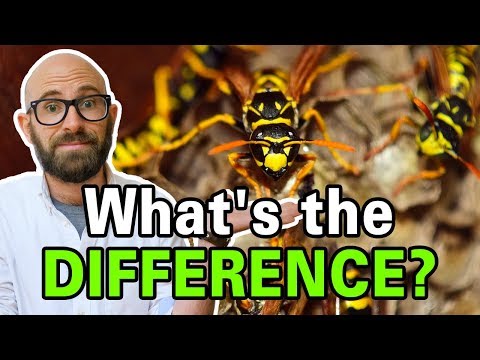
Bees and wasps build all kinds of nests, and being able to tell them apart really helps.
Some nests dangle from trees, while others hide in wood or underground.
The bugs inside act differently too, which changes how you should handle things.
Distinguishing Between Honeybees, Bumblebees, Wasps, and Hornets
Honeybees are small and fuzzy, with gold-brown stripes.
They live in big colonies inside beehives that look like stacked wax combs.
Bumblebees are bigger, rounder, and have soft bodies.
You’ll find their nests in the ground or tucked away somewhere dark.
Wasps and hornets look slimmer and shiny, with bold yellow and black markings.
Hornet nests look like paper and usually hang from trees.
Wasps tend to be more aggressive, so be extra careful around their nests.
| Insect Type | Appearance | Nest Type | Behavior |
|---|---|---|---|
| Honeybee | Small, fuzzy | Beehive (wax comb) | Usually calm |
| Bumblebee | Large, fuzzy | Underground or hidden nests | Gentle generally |
| Wasp | Slim, shiny | Paper-like, aerial nests | Can be aggressive |
| Hornet | Large wasp-like | Large aerial papery nests | More aggressive |
Bee Nests vs Beehives: What’s the Difference?
A beehive is the home that honeybees build.
It’s full of wax combs where they store honey and raise babies.
Only honeybees make these.
A bee nest means any spot where bees live and raise their young.
That could be a bumblebee nest underground or even a hole in a wall.
Nests really depend on the species.
Knowing which one you’ve got helps you figure out your next move.
Special Considerations for Carpenter Bees and Ground Bees
Carpenter bees don’t build nests like honeybees do. Instead, they drill holes into wood and create tunnels.
You’ll often spot their nests under eaves or tucked along wooden fences. They rarely go after people, but honestly, they can still damage your home or deck.
Ground bees dig right into the soil and set up their nests underground. These bees mostly keep to themselves and don’t usually act aggressive.
Since their nests stay hidden, you probably won’t notice them until you’re out working in the yard. If you can, try not to disturb their area—it’s just not worth the sting.
Figuring out which kind of bee or wasp you’re dealing with makes it way easier to choose a safe, quick removal method. If you want more info, check out guides on bee nest identification and tips for handling different species.


