
Getting a new puppy is an exciting adventure, but dealing with biting can be a challenge. It’s important to teach your puppy proper behaviors early on.
You can discipline a puppy for biting by using positive reinforcement and redirecting their attention to appropriate toys.

When your puppy bites, respond with a firm “no” and train them to understand that biting is not acceptable. It’s crucial to avoid yelling or physical punishment, as these can create fear and lead to more aggressive behavior. Offering chew toys can also help satisfy their natural urge to bite, keeping them happy and engaged.
Remember, patience is key. Puppies are learning and need guidance to shape their behavior. With consistent training and love, you can help your puppy become a well-behaved companion.
Understanding Puppy Biting Behavior
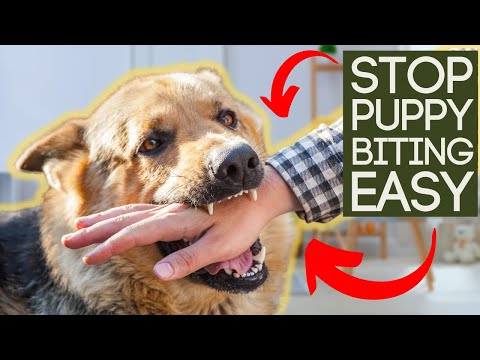
Puppy biting is a common behavior that often puzzles new dog owners. Knowing why puppies bite and how to address it can make training easier and more effective. This section covers the reasons behind this behavior, the teething process, and how to teach bite inhibition.
Reasons Behind Biting and Nipping
Puppies often bite and nip as part of their normal behavior. They use their mouths to explore the world around them, similar to how a toddler might touch and grab things.
Play biting is another reason. Puppies enjoy playing with their littermates and learn to control their bites during these interactions. If they play rough or nip at you, it might be an invitation to engage in play.
Sometimes, biting can happen out of fear or stress. If your puppy feels threatened or anxious, they may bite as a defense mechanism. Understanding these reasons helps you respond appropriately.
The Teething Process and Puppy Teeth
The teething process can be an uncomfortable time for your puppy. Just like human babies, puppies go through teething as they grow. They experience discomfort when their puppy teeth fall out and adult teeth come in.
During this phase, which typically lasts from around 3 weeks to 6 months, puppies may chew on anything to relieve their aching gums. Providing them with appropriate chew toys can help.
Remember, this is a natural stage in their development, so patience is key. Keeping a close watch on their behavior during teething can help you prevent unwanted biting behavior.
Bite Inhibition Training Basics
Teaching bite inhibition is an essential part of training your puppy. Bite inhibition means teaching your puppy how to control the force of their bite.
Start by yelping or saying “ouch” in a high-pitched voice when your puppy bites too hard. This mimics how their littermates would respond and helps them learn that biting causes a negative reaction.
Redirect their biting to appropriate toys, too. If they bite you, encourage them to chew on a toy instead. Consistency is important, so make sure everyone in your household follows the same rules. This will help your puppy learn which behaviors are acceptable.
Effective Training Techniques

Training a puppy not to bite can be done effectively with a few key techniques. Using positive reinforcement, providing chew toys, and redirecting biting behavior will help your puppy learn the right way to interact.
Positive Reinforcement Strategies
Positive reinforcement is a powerful tool in shaping your puppy’s behavior. When your puppy refrains from biting and displays gentle behavior, immediately reward them with a treat, praise, or playtime. This encourages them to repeat that good behavior.
Each time your puppy interacts gently, say “good boy/girl” or use an upbeat tone to reinforce their action. Consistency is crucial. If you always reward gentle behavior, your puppy will learn what is expected.
Avoid yelling or physical punishments, as these can confuse your puppy and damage trust.
The Role of Chew Toys in Bite Training
Chew toys play an essential role in bite training. Puppies naturally have a strong urge to chew, especially during teething. Providing appropriate chew toys can help satisfy this need while steering them away from biting you or your furniture.
Choose durable toys made of safe materials for your puppy’s age and size. Offer different textures and shapes to keep your puppy engaged. When your puppy starts to bite, redirect them to a chew toy to encourage them to chew on something appropriate instead of your hands or clothes.
Redirecting Biting Behavior to Appropriate Outlets
Redirecting your puppy’s biting behavior is another effective approach. If your puppy begins to nip, calmly say “no” and immediately offer a chew toy. This helps your puppy associate biting with an acceptable outlet.
You can also use games like fetch or tug-of-war. These activities allow your puppy to engage their natural instincts while avoiding harmful biting. Observe your puppy’s body language; if they seem excited or overly stimulated, a break for quiet time can help them calm down.
Socialization and Professional Guidance

Addressing puppy biting behavior involves understanding the importance of socialization and knowing when to seek professional help. These steps can greatly enhance your training efforts and create a well-adjusted dog.
Importance of Socialization in Puppy Training
Socialization is crucial for your puppy’s development. It involves exposing your puppy to various people, environments, and situations. This exposure helps your puppy learn how to behave appropriately.
When puppies are well-socialized, they tend to be more confident and less fearful. This confidence reduces the chances of biting due to anxiety or insecurity. A key time for this is between 8 to 16 weeks old. During this period, you can introduce your puppy to new experiences, sounds, and other animals.
Regularly interact with your puppy in different settings. Puppy playgroups or dog parks are great options. Encourage gentle interactions and monitor play to ensure safety. Practicing bite inhibition during these play sessions teaches your puppy how to control its mouth, which helps curb biting behavior in the long run.
When to Seek Help from a Certified Professional
If you find your puppy’s biting behavior is constant or causing concern, it may be time to consult a certified professional. Professional trainers can offer personalized guidance tailored to your puppy’s needs.
Look for trainers who use positive reinforcement methods. They can help teach you strategies to manage biting and advocate for better behavior. If your puppy shows fear or aggression, a professional evaluation becomes even more important.
Seeking help early can prevent long-term behavioral issues. Professionals can also assist with any other training aspects, ensuring a smoother experience for you and your puppy.
Finding the Right Puppy Class
Finding a suitable puppy class can greatly enhance your training efforts. Look for classes that focus on socialization, basic obedience, and positive reinforcement techniques. Ideally, the class should encourage safe play and interactions among puppies.
Before enrolling, check the trainer’s credentials. Confirm they are knowledgeable about puppy behavior and bite inhibition. The right class should provide you with useful tools and techniques to manage biting behavior effectively.
Participating in a group class allows you to socialize your puppy in a controlled environment. It also offers you support from other pet owners. This community can be a valuable resource for sharing experiences and tips in puppy training.
Addressing Teething Discomfort

Teething can cause your puppy discomfort, leading to more biting than usual. It’s important to recognize the signs of teething pain and provide appropriate relief and toys to help your puppy cope.
Relief for Teething Pain
Your puppy may show signs of teething pain, such as chewing on objects or being more irritable. To help ease this discomfort, consider using cold treatments.
Frozen toys or a wet washcloth can provide soothing relief. A frozen Kong toy filled with treats is a great option.
You can also try offering ice cubes to chew on or using specialized teething gels that are safe for puppies. These methods can help numb the gums and make your puppy feel better. Pay close attention to their behavior and adjust your methods if needed.
Selecting Suitable Teething Toys
Choosing the right teething toys is key to helping your puppy through this stage. Look for toys that are specifically designed for teething and made from soft materials that are gentle on their gums.
Some good options include rubber toys, plush toys with a chew-resistant exterior, and those that can be chilled. Make sure the toys are non-toxic and appropriate for your puppy’s size. Avoid items that could break easily, as this might pose a choking hazard.
Introduce a variety of toys to see which your puppy prefers. This way, they’ll be entertained and less likely to bite you while they are teething.


