
If you’re waking up with itchy bumps or keep finding sudden bites but can’t figure out what’s causing them, you’re definitely not the only one. The best way to figure out what’s biting you? Pay close attention to where the bites are, how big they are, and what pattern they make—plus, check your surroundings for signs of bugs.
Different insects leave their own marks. Knowing what to look for can save you a lot of time and frustration.

Flea bites often show up in clusters. Mosquito bites usually look like single, raised bumps.
Take a look around your place or wherever you were bitten. You might spot the bug itself, or maybe you’ll just find clues—tiny blood spots on your sheets or little black dots.
These small hints really give you an edge when you’re trying to stop the bites and take care of your skin.
If you’ve tried everything and you’re still getting mystery bites, don’t panic. Some bugs hide really well, and you may need to look a bit deeper into your usual hangouts.
Learning about the usual bite patterns and bug habits makes it way easier to protect yourself and get relief faster.
Want more details? Here’s a bite identification guide that’s actually helpful.
How to Identify What Is Biting You

When you get bitten, your skin’s reaction and the way the bite looks can help you figure out which bug did it.
Your symptoms, the pattern, and even thinking about where you were or what you were doing can all point you in the right direction.
Common Signs and Symptoms of Bug Bites
Most bug bites make your skin red, swollen, and itchy. Mosquito bites usually show up as small, round, itchy bumps.
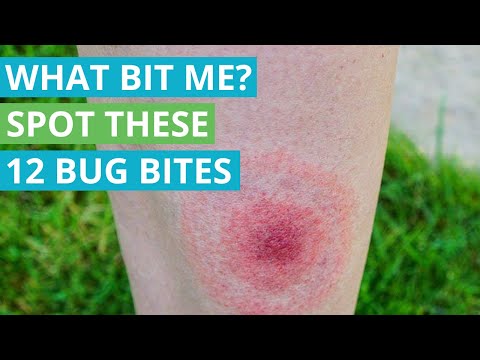
Tick bites sometimes leave a red “bullseye” rash. Ant bites often create painful, itchy welts or tiny blisters.
If you notice hives or a rash all over, it could be an allergic reaction.
Spider bites hurt and sometimes form a blister or even an ulcer. Flea bites often cluster as small red spots, especially near your feet.
Some bites, like those from fire ants or certain spiders, cause burning or stinging. Pay attention to how the bite feels and if it changes over time.
Visual Clues and Bite Patterns
Check how the bites look on your skin. A single bite might mean a mosquito or spider got you.
If you see a line or a bunch of bites close together, think fleas, bedbugs, or lice.
Bedbug bites often show up in groups of three or more. Fleas tend to bite around your ankles or legs.
Lice bites are usually on your scalp, neck, or right behind your ears.
Notice the size and color of the bumps. Fast-swelling red welts? Could be ants. Small red dots with a pale center might be mosquitoes.
Comparing your bites with a photo guide can really help you figure things out faster.
Questions to Ask Yourself After a Bite
Think back to where you were when you got bitten. Were you outside near water or tall grass? That’s mosquito or tick territory.
Did you get bitten in bed or near your mattress? Bedbugs love those spots.
Did you feel a sharp sting or did it just start itching slowly? Stings usually mean ants or wasps, while fleas and lice bring on itchiness that sneaks up after a while.
Did you actually see any bugs on your skin or clothes? If others around you got bitten the same way, that could point to lice, fleas, or bedbugs.
These answers help you decide if you need a doctor or if you can just treat the bites yourself.
For more info on bugs and their bites, check out tips on how to spot common insect bites.
Types of Biting Bugs and Their Risks
Bug bites can cause anything from mild itching to bigger health problems. Figuring out which bug bit you can help you stay safe and pick the right treatment.
Some bugs carry nasty diseases, while others just make you uncomfortable.
Mosquitoes and Mosquito Bites
Mosquito bites look like small, red bumps that itch like crazy. Female mosquitoes bite to feed on your blood.
Some mosquitoes can spread serious stuff like West Nile virus, Zika virus, malaria, and Eastern equine encephalitis.
Usually, mosquito bites just itch and swell, but the real danger comes from certain species carrying infections.
If you get a fever, headache, or muscle pain after a bite, go see a doctor. Using bug spray and wearing long sleeves or pants can help you avoid bites.
Ticks and Tick-Borne Diseases
Ticks grab onto your skin and feed slowly, sometimes for days. Their bites might not itch or hurt at first.
You might notice a red spot or a bull’s-eye rash where you got bitten. Ticks can spread diseases like Lyme disease and Rocky Mountain spotted fever.
If a tick bites you, pull it out gently with tweezers. Keep an eye out for fever, chills, or a rash—those could mean an infection.
Ticks love grassy, wooded places, so use repellents and check your skin after being outside.
Bed Bugs and Their Distinctive Bites
Bed bug bites usually show up in clusters or lines, often on skin you leave uncovered at night, like your arms or neck.
The bites are itchy red spots and sometimes form small blisters. Bed bugs don’t spread diseases, but their bites can mess with your sleep and comfort.
They’re tiny and tough to spot. Check mattress seams or cracks in furniture for signs.
Treat bites with anti-itch creams, and wash bedding often to cut down on bites. If they keep coming back, you might need pest control.
Fleas, Chiggers, and Mites
Fleas bite fast and leave behind small, itchy red bumps, usually around your ankles. Sometimes, these bites trigger allergic reactions or even infections.
On rare occasions, fleas can spread diseases like plague. It sounds wild, but it happens.
Chigger bites itch like crazy and leave red welts. You’ll usually run into chiggers in grassy or wooded places.
Mites—especially the ones that cause scabies—love to bite or burrow into your skin. That leads to rashes and a whole lot of itching.
Body, head, and pubic lice are tiny parasites. They feed on your blood and make your skin feel irritated.
If you want to avoid bites, try steering clear of bug-prone areas and keep things tidy. Insect repellents help, and it’s smart to wash your clothes after spending time outside.
When you do get bitten, soothing lotions can help with the itching.
For more details on what different bug bites look like, check out this guide on how to identify insect bites.


