
You’ll spot affection among giraffa camelopardalis in quiet, almost understated ways—grooming, gentle nuzzles, and those soft, slow touches with their heads and horns.
Giraffes care for each other by licking and grooming, nuzzling calves, and using light head or neck contact to comfort or bond. These simple actions build trust inside their loose social groups. Calves learn where to find food and safety from these behaviors.

If you look closer, you’ll notice how these touches fit into the bigger picture of giraffe life—their social ties, the quiet sounds, even the sparring called necking that males use to sort out dominance.
There’s a lot going on beneath the surface, honestly. Let’s see how these behaviors connect, why they matter, and what they tell us about giraffe relationships.
Ways Giraffes Show Affection
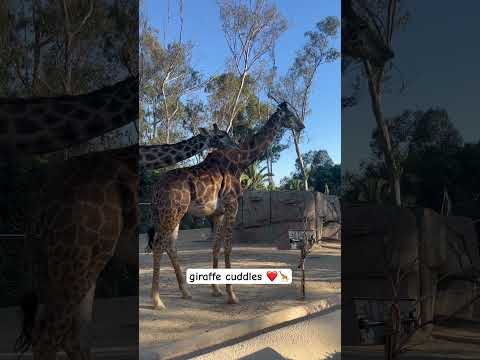
Giraffes show care through touch, scent, and quiet, close contact.
You’ll see gentle movements, repeated contacts, and focused attention that build bonds and help calves learn.
Nuzzling and Stroking Behaviors
Nuzzling usually looks like a slow, soft pressing of the muzzle against another giraffe’s neck or flank.
Adults press their heads or rub their faces along another’s shoulders to clean, soothe, or just show friendly intent.
When giraffes stroke, they use their mouths and lips to pull off dirt, loose hair, or ticks.
Grooming keeps skin healthy and lowers stress for the one being groomed.
These actions show up most in family groups and between familiar herd members.
Strangers rarely get this kind of gentle treatment. Nuzzling also helps reinforce social rank without any drama.
Licking and Sniffing Among Giraffes
Giraffes use those long tongues and sensitive noses to check out others up close.
You might catch one giraffe sticking its tongue out toward another’s face, eyes, or ears to groom or check scent.
Sniffing follows, with the inspecting giraffe placing its muzzle near the other’s mouth or rump to pick up chemical cues.
This helps them figure out things like reproductive state, health, and even identity.
These behaviors work a bit like a social handshake—quiet but clear about who’s in the group and who might be a mate.
Mother-Calf Bonding
A mother giraffe will nuzzle, lick, and stay physically close to her calf in those first weeks after birth.
You’ll see her lick the calf’s head and neck over and over to clean the newborn and encourage standing and nursing.
Mothers guide calves to feeding spots with short, calm touches and teach them how to move safely.
These touches show the calf where to browse and how to react to danger.
Mothers stick close to their calves and respond fast to calls or anything odd.
That early closeness is absolutely vital for the calf’s survival and social learning.
Gentle Social Interactions
Giraffes keep social ties with low-key contacts like leaning, brief head touches, and just standing close to each other.
You’ll spot pairs feeding side by side, sometimes brushing necks or heads together.
Males and females swap these gentle touches even outside mating, signaling calm acceptance—not aggression.
These little interactions help keep the group together and cut down on tension.
They usually avoid rough contact unless they’re competing.
That everyday gentle behavior really fits their slow, steady social style and probably explains why people call them gentle giants.
Communication and Social Structure in Giraffes

Giraffes use touch, subtle body language, low sounds, and the way they group up to build bonds, sort out males from females, and look after calves.
Physical contact and posture send messages. Sometimes low vocal cues matter, and necking mixes play with fighting. Matrilines and loose herds shape their daily lives.
Touch-Based Affection and Body Language
Giraffes lean heavily on touch to show care.
Mothers groom calves with their tongues to get rid of parasites and soothe them.
Calves lick their mothers and nuzzle their sides. These actions reinforce the bond and help calves learn safe places to feed.
Adults use gentle rubbing and neck rubbing as friendly greetings.
You’ll see lips and tongues used for mutual grooming between females and sometimes males—not just for eating.
Ear position, head angle, and steady eye contact all mean something: forward ears show interest, pinned-back ears mean irritation, and averted gaze can cool things down.
Watch for giraffes standing or feeding close together—those individuals usually have stronger bonds.
Better-connected giraffes often have lower stress and higher calf survival. That’s not just a nice detail; it really matters.
Role of Vocalizations and Infrasound
Giraffes stay pretty quiet, but they use sound when they need to.
You probably won’t hear many calls, but giraffes grunt, snort, and make low-frequency noises that humans mostly miss.
Researchers have recorded infrasound—those super low tones—that travel long distances and help keep groups connected at night or across tall grass.
Vocal signals pop up in certain moments: alarm snorts near predators, mother-calf contact calls, and the occasional male call during mating.
Most social coordination still relies on visual and tactile signals.
Sound fills in the gaps when they can’t see each other.
Since infrasound is below what we can hear, scientists use special equipment to pick it up.
These recordings suggest sound helps keep social links strong, especially among related females who might wander farther apart.
Necking: Social and Affectionate Displays
Necking covers a wide range—from gentle leaning to heavy, combative swings.
In playful or bonding moments, males and females might rub and entwine necks softly.
That contact can be pretty affiliative—almost like grooming—so you can spot who trusts whom.
For males, necking turns into ritual combat to settle rank.
They swing their heavy heads against each other, and the hits decide dominance—usually without real injury.
The intensity of necking shows you social status: longer, harder bouts often mark higher-ranking males.
Necking serves two main functions. It settles disputes and shows off strength, but milder forms help keep social bonds strong.
If you’re watching giraffes, pay attention to posture, tempo, and whether others step in—those details tell you if the interaction is friendly or competitive.
Complex Giraffe Social Networks
Giraffe groups tend to be pretty fluid, usually built around related females and their calves. You’ll spot loose herds of 10–20 giraffes, but honestly, the members change almost every day.
Females stick together longer. They form matrilines, which help guide calf care and keep the group safer.
Male giraffes wander more. They join up with temporary bachelor groups or just head off solo.
Younger males hang out with others their age. They pick up social skills and practice necking—maybe a bit awkwardly at first.
All these shifting friendships make the social network surprisingly complex. Some giraffes end up super connected, while others stay on the edges.
Researchers actually track these associations. They want to know who hangs out with whom.
Strong bonds can mean better foraging and fewer parasites. If you ever study a group, pay attention to pairs that stick together and who grooms whom—that’s where the real social structure hides, not just in the headcount.
Relevant reading: a review of giraffe social behaviour digs into these matrilineal and cooperative patterns in detail (https://onlinelibrary.wiley.com/doi/full/10.1111/mam.12268).


