
Bed bugs stay close to people, feed on blood when they can, and hide in small cracks where you rarely notice them. Their flat bodies and patient behavior help them wait long periods between meals, making them resilient in homes and during travel.
They conserve energy, avoid detection, and move with your belongings from one place to another. This mix of stealth and endurance can turn a small problem into a stubborn one.
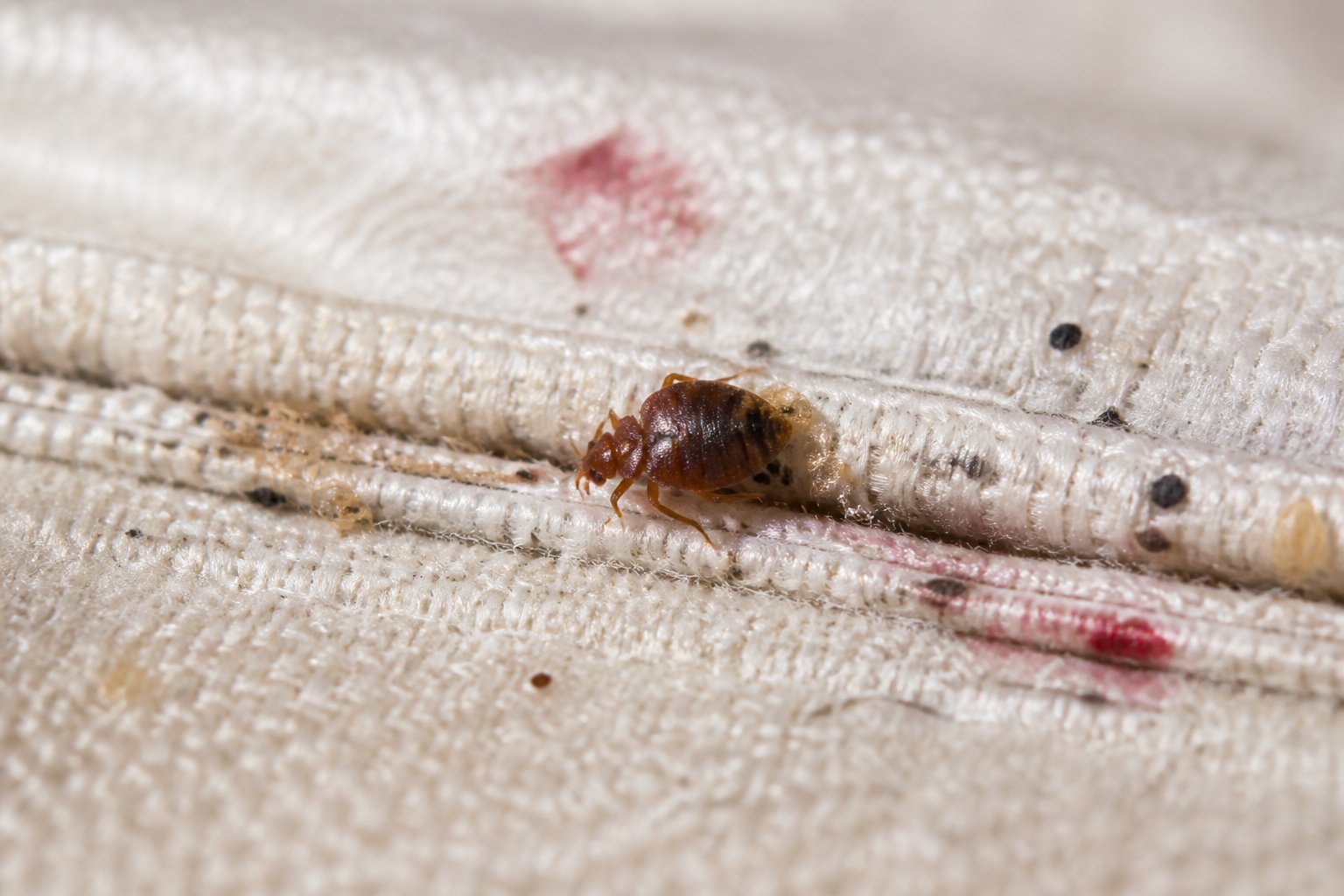
What Keeps Them Alive For So Long

Bed bugs feed efficiently, grow through several life stages, and slow down when conditions are not ideal. Their biology and behavior help them survive for months in a home.
Feeding On Blood And Using A Blood Meal Efficiently
Bed bugs depend on blood to grow, reproduce, and stay active. They usually feed at night, then retreat to hiding spots and conserve energy until their next meal.
The EPA explains that Cimex lectularius is a blood-feeding pest that can be difficult to spot because of its small size and hidden habits.
Life Stages From Bed Bug Eggs To Adult Bed Bugs
Bed bug eggs hatch into nymphs that must feed repeatedly before becoming adults. Each stage can contribute to an ongoing infestation, even when the insects are tiny and easy to miss.
Adults typically survive much longer than young nymphs, depending on life stage, food access, and environment.
How Temperature And Humidity Affect Survival
Temperature and humidity strongly affect how long bed bugs live. Moderate indoor conditions help them conserve moisture and stay active.
Very hot, very cold, or very dry conditions put more stress on them. Bed bug survival can vary from room to room and from home to home.
Where They Hide And Why They Are Hard to Find

Bed bugs prefer tight hiding places near sleeping areas, which keeps them close to a host and out of sight. When you know where bed bugs hide, you can spot the places most likely to show shed skins, exoskeletons, or a musty odor linked to signs of bed bugs.
Common Hiding Places Around Beds And Furniture
Bed bugs often hide in mattress seams, box springs, bed frames, headboards, upholstered furniture, and nearby cracks. They can also squeeze into electrical outlets, baseboards, and cluttered storage areas.
Their flat bodies help them stay pressed into narrow spaces during the day.
How They Stay Close To Hosts Without Being Seen
A bed bug infestation usually stays near where people rest, since bed bugs need access to blood meals. They wait in the dark and come out briefly to feed, which reduces the chance you will see them.
Shed skins and exoskeletons can show where they have been active even when live bugs are hard to find.
What Empty Rooms And Clutter Let Them Do
An empty room does not automatically solve the problem, because bed bugs can wait in place until a host returns. Clutter gives them even more places to hide and makes inspection harder.
How Infestations Spread And Persist
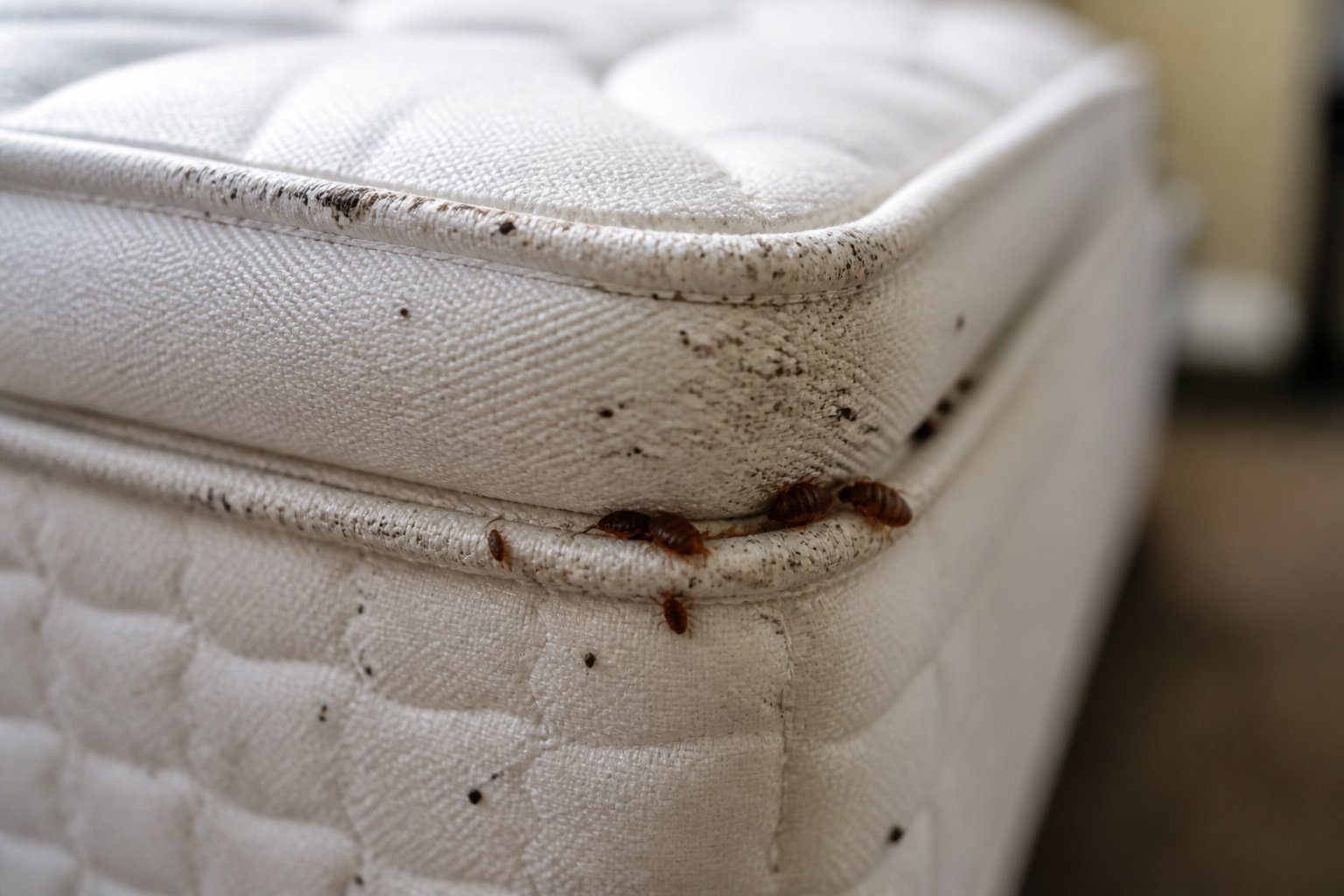
Bed bugs hitch rides on luggage, clothing, furniture, and other belongings, which makes travel and shared buildings common pathways. Once they enter a space, small clues such as bed bug bites, bite marks, shed skins, and a musty odor may point to a bed bug infestation.
How Bed Bugs Spread Through Travel And Shared Buildings
Bed bugs spread most often through human activity, not by flying or jumping. They move from hotels, apartments, dorms, rideshares, and public transit into new places when people transport items.
The EPA notes that increased travel and pesticide resistance have played a role in their spread in the United States.
Why Leaving A Room Empty Usually Does Not Work
Leaving a room empty rarely gets rid of the problem, because bed bugs can survive for a long time without feeding. Adults can last months without a blood meal under favorable conditions, according to a bed bug survival overview.
How Bites And Physical Clues Reveal Ongoing Activity
Bed bug bites and bite marks can appear in clusters or lines, though reactions vary from person to person. You may also notice live bugs, shed skins, dark spots, or a musty odor near sleeping areas.
What Actually Disrupts Their Survival

You can disrupt bed bug survival early by keeping clutter down, inspecting travel items, and acting fast when you see signs. The sooner you prevent bed bugs from settling in, the easier it is to get rid of them before they spread.
Steps To Prevent Bed Bugs Early
Inspect hotel beds, luggage, and secondhand furniture before bringing anything inside. Use protective covers on mattresses and box springs, and vacuum around sleeping areas regularly.
These habits reduce the chance that bed bugs get a foothold in your home.
DIY Bed Bug Control Limits And Bed Bug Traps
Bed bug traps can help you monitor activity, yet they rarely solve a larger infestation by themselves. DIY bed bug control often misses hidden eggs, deep cracks, and resistant bed bug populations.
If you only treat what you can see, the hidden insects may keep reproducing.
When Pest Control, Insecticides, Or Professional Heat Treatment Make Sense
Professional pest control makes sense when signs keep returning or the infestation has spread. Store-bought insecticides may not work in these cases.
Some bed bug control plans use targeted insecticides. Others rely on professional heat treatment to reach hidden insects at multiple life stages.
When bed bug populations resist treatment, experts can give you the best chance to fully get rid of bed bugs.


