
Chipmunks might look cute, but they can cause real trouble in your yard and around your house. They dig burrows that go several feet deep and long, which can mess with patios, foundations, and even stairs.
If you ignore chipmunks, they’ll dig tunnels that harm plant roots, yank up bulbs, and weaken the structures near your home.

You might spot holes in your lawn or notice missing flower bulbs. Chipmunks also munch on seeds, fruits, and nuts from your garden.
Their digging ruins landscaping and sometimes leads to bigger headaches, like water collecting near your foundation. That’s a recipe for more serious problems.
Knowing the risks they bring is the first step to keeping your property safe. Chipmunks pop up in a lot of places, so it makes sense to learn what kind of damage they do—and what you can actually do about it.
If you’re curious for more details, check out this guide on chipmunk damage prevention and control methods.
Types Of Damage Caused By Chipmunks
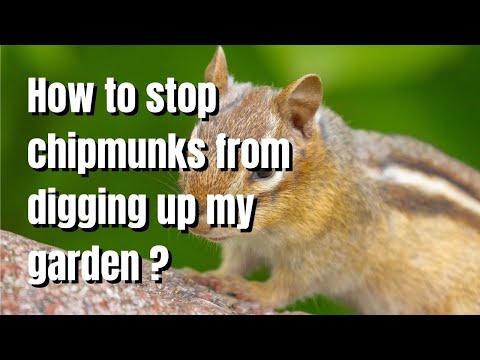
Chipmunks can mess up your yard and home in a bunch of ways. Their digging and eating habits can damage plants, and their burrows might even threaten your property’s safety.
Let’s break down the main problems.
Structural Risks To Foundations
Chipmunks dig big burrows near buildings, and sometimes these tunnels run under your foundation. Over time, all that digging can weaken parts of your foundation, especially if water gets in and causes erosion.
If chipmunks dig close to concrete patios or steps, the ground underneath can shift or sink. You might see cracks or uneven spots in your hardscape.
Retaining walls or other outdoor structures can get affected too. You may notice small holes or tunnels near the base of your house—these are signs chipmunks are hanging around.
While foundation damage isn’t always a huge deal, it can get worse if you don’t deal with it. There’s more info about this in the chipmunk damage identification guide.
Burrowing And Tunneling Impact
Eastern chipmunks (Tamias striatus) dig complex burrows. Their tunnels can reach up to 30 feet long and go several feet deep.
When chipmunks dig, they loosen up the soil and mess with the ground’s structure. Sometimes parts of your yard collapse, leaving holes or uneven ground that you or your pets could trip over.
These burrows let water collect, which means you might deal with flooding or soil erosion. You’ll probably spot piles of dirt where chipmunks have pushed soil to the surface.
Those mounds show up wherever chipmunks live. Their tunnels can also give other rodents or critters easy access to your property, which just increases the chance for more problems.
Garden And Landscape Destruction
Chipmunks love to eat flower bulbs, seeds, and seedlings. They dig up garden beds to get to these snacks, making it tough for plants to grow well or even survive.
They’ll also go after fruits, nuts, and veggies in your garden. That means you might end up with a smaller harvest than you hoped for.
Their sharp teeth and digging can damage plant roots and kill bulbs. Plus, chipmunks undo landscaping by making holes and tunnels, which can leave lawns and flower beds looking patchy or uneven.
If you want to keep your garden safe, watch for chipmunk activity early. There’s more about their impact in this chipmunks damage post.
How To Prevent Chipmunk Damage

If you want to stop chipmunks from causing trouble, you’ll need solid barriers, smart strategies, and safe traps. These steps can help you protect your home and garden.
Effective Exclusion With Hardware Cloth
Hardware cloth is a sturdy wire mesh that keeps chipmunks out of gardens and from burrowing under patios. Go for mesh with ¼-inch openings to block even the tiniest chipmunks.
To set it up, dig a trench about 6 to 12 inches deep around the area you want to protect. Bury the hardware cloth so chipmunks can’t dig under it.
Extend it at least a foot beyond the edges of your plants for good coverage. You can also attach hardware cloth to fences or wrap it around flower beds.
If you cover bulbs or seeds with it and then put soil on top, you’ll stop chipmunks from digging and eating them. Check regularly for holes or spots where the mesh has come loose.
Fix any problem areas fast to keep chipmunks out. This takes a bit of work up front, but it offers long-lasting protection.
Wildlife Control Strategies
Sometimes, you need more than just barriers to keep chipmunks away. Wildlife control means removing food sources and hiding spots so your yard isn’t as appealing.
Keep bird feeders clean and use seed catchers to stop seeds from falling and attracting chipmunks. Don’t stack firewood or debris next to buildings, since chipmunks love to burrow there.
Try repellents like predator urine or ones with capsaicin. These work best if you reapply them as directed and use them as a barrier around your garden.
If you find chipmunks digging burrows near your house, fill active holes with soil and cover them with heavy rocks. Wait until you’re sure the animals have left before sealing up the holes.
If you need some help with wildlife control, just reach out—we’re happy to give advice on safe, effective options that fit your situation.
Using Snap Traps Safely
Snap traps can quickly cut down chipmunk numbers, but you’ve got to set them up the right way to keep things safe. Grab rat-sized snap traps and use peanut butter or sunflower seeds as bait—chipmunks can’t resist those.
Put the traps right along active chipmunk paths or close to their burrow entrances. If you’ve got pets or kids around, slide the traps inside bait boxes or tuck them under small boards, leaving just a chipmunk-sized entrance.
Check the traps every day. If the bait’s gone or the trap’s been sprung, reset it with fresh bait.
Don’t leave traps sitting for too long, or you risk animals suffering—nobody wants that. When you set traps near buildings or in the garden, hide them with boards to keep curious critters from setting them off by accident.
Try prebaiting for a few days—just put some bait near the traps before you actually set them. That way, chipmunks get comfortable and you’re more likely to catch them.
Not sure about using traps? Or maybe you’d just rather get some advice? Give us a call or shoot us an email. We’re happy to walk you through safe trapping or talk about other ways to handle chipmunks.


