
Chipmunks look adorable, but honestly, they can be a real headache for your home and garden. They dig burrows that mess up your stairs, patios, and sometimes even the foundation.
Their tunnels weaken lawns and uproot plants, which really hurts the look and health of your yard.
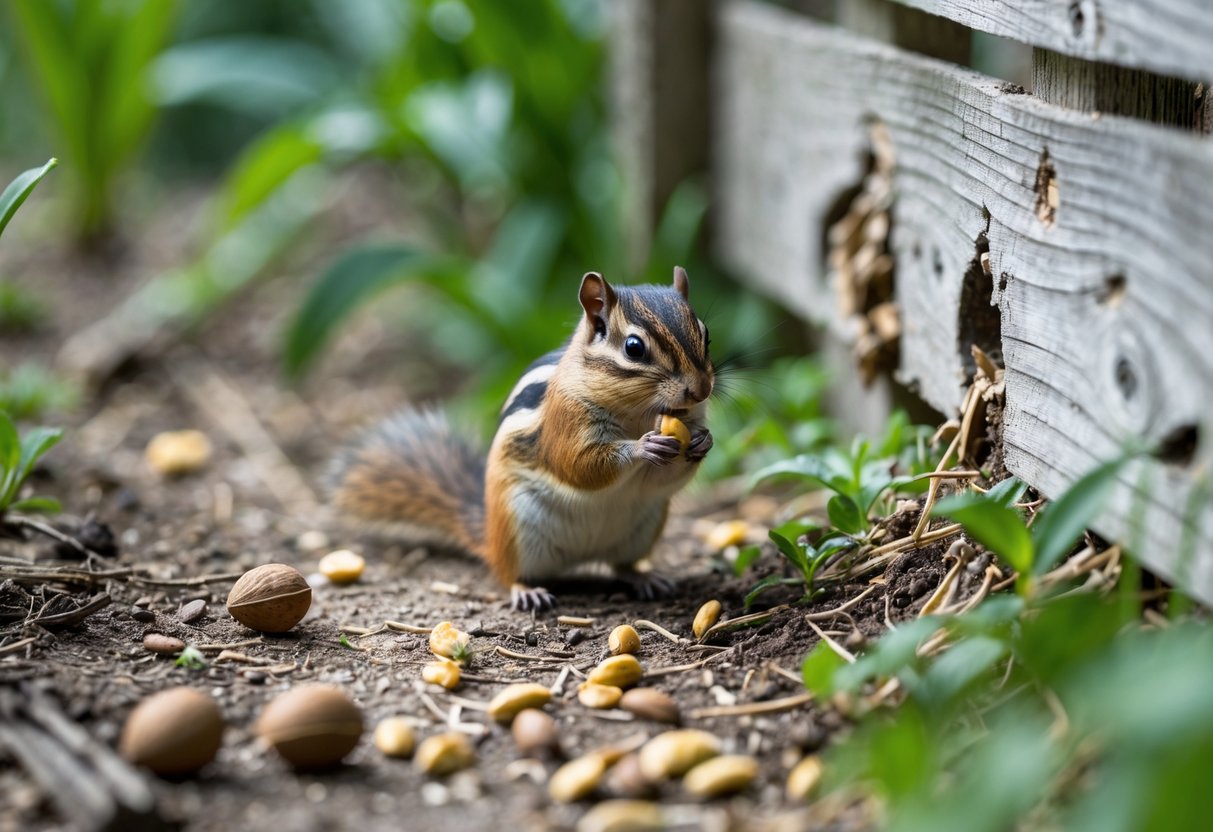
You might catch them digging up bulbs or munching on fruits and nuts you’re trying to grow. Sometimes they sneak into places you definitely don’t want them, like under decks or near wires.
If you know what kind of trouble chipmunks cause, it gets a lot easier to protect your property and keep your outdoor space looking good.
Have you noticed holes in your yard or missing plants lately? Chipmunks could be to blame.
Understanding their habits and the risks they bring is the first step to stopping them before things get worse.
For tips on prevention, check out chipmunk damage control methods.
Types of Damage Chipmunks Cause
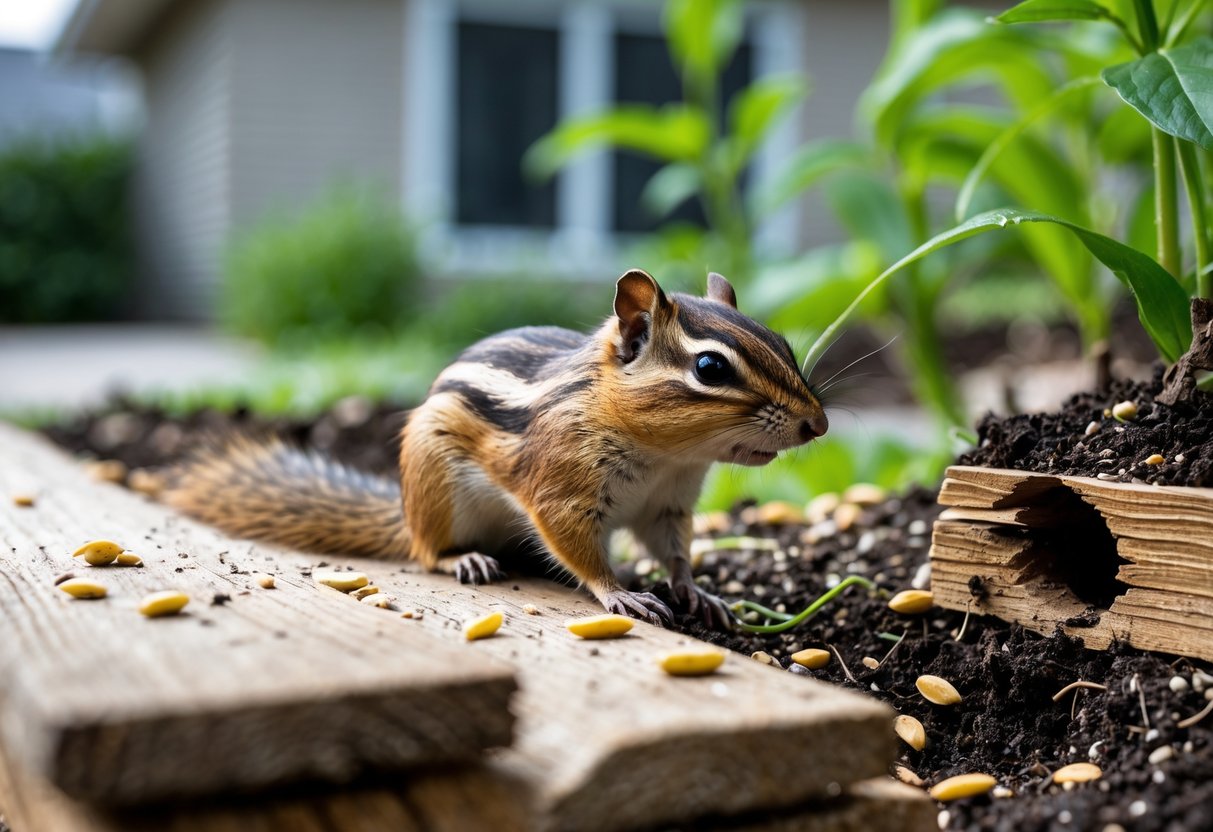
Chipmunks can cause problems in a bunch of ways around your home and yard. They dig tunnels that hurt structures, eat your garden plants and bulbs, and sometimes squeeze into buildings.
Structural Problems from Burrowing
Chipmunks dig burrows that stretch up to 30 feet long and several feet deep. These tunnels weaken the soil under patios, stairs, or foundations.
When the soil shifts, you might see cracks or notice things getting unstable.
Burrows close to your house can let water reach the foundation, which could lead to leaks and even bigger problems later.
Keep an eye out for piles of dirt or holes near stairs, patios, or walls. If you spot active burrows, fill them in with soil and cover with heavy rocks to slow the damage.
For more details, check chipmunk damage and solutions.
Landscape and Garden Destruction
Chipmunks love to dig up flower bulbs, seeds, and seedlings. They often uproot plants while searching for food.
That makes it tough to keep a healthy garden going.
They also snack on fruits, nuts, and young plants. If you grow vegetables or have flower beds, chipmunks might nibble or steal your harvest.
Ground cover and thick shrubs near your house attract chipmunks because they offer good hiding spots. Try clearing away piles of wood or debris to make your yard less appealing to them.
Household and Indoor Issues
Chipmunks can squeeze under doors or through tiny gaps to get inside your house or garage. Once inside, they chew wires, insulation, and other stuff.
That can lead to electrical problems or even fire risks.
Keep gutters clean and cover vents to block entry. Use tight mesh hardware cloth over openings to keep chipmunks out.
If you hear scratching in the walls or see small holes by the foundation, you might have chipmunks indoors. Check and seal up those entry points to protect your home.
Managing and Preventing Chipmunk Damage
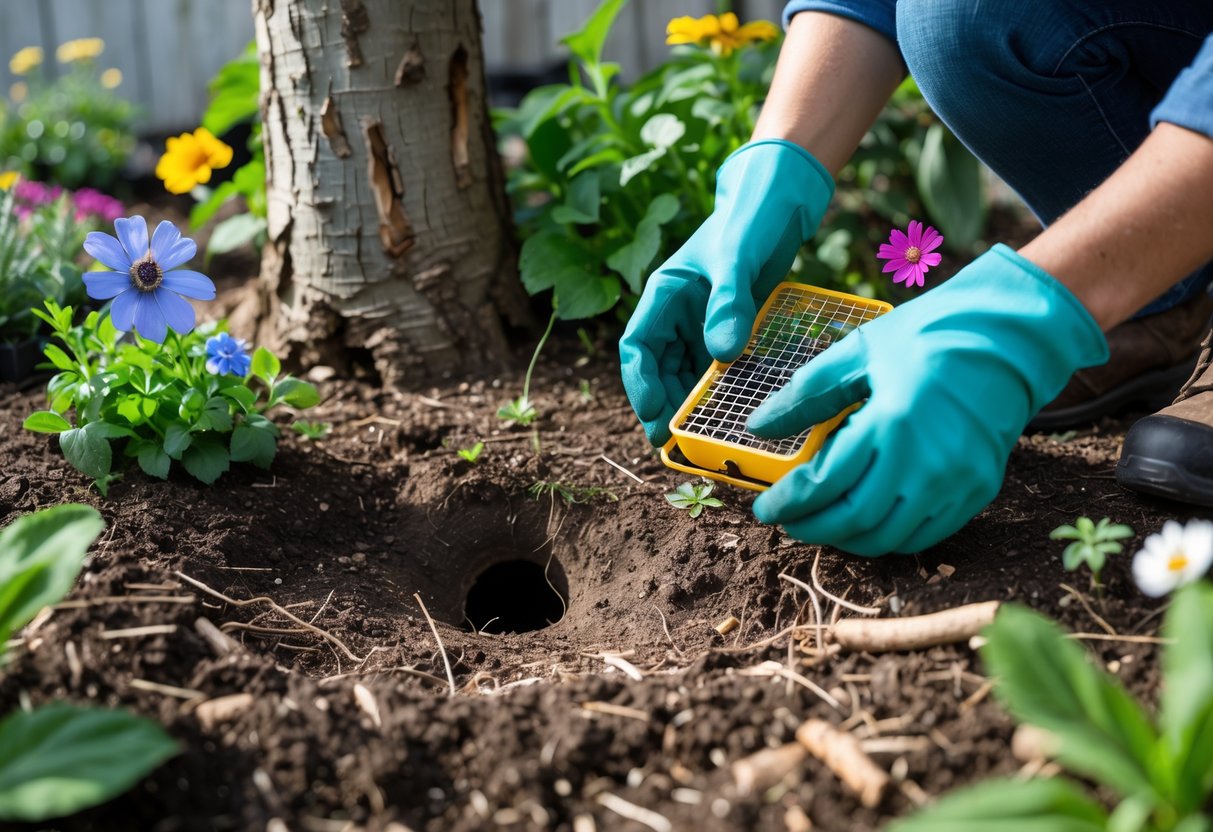
You can protect your property from chipmunks if you spot the signs early and act quickly. Picking the right removal and prevention methods can save you time and money.
Signs of an Infestation
Look for small burrows in your yard or near patios and sheds. Chipmunk tunnels can be up to 30 feet long and might cause soil to collapse or leave gaps under decks.
You might also notice chewed plants, holes in garden beds, or scratch marks on wood. Sometimes chipmunks leave piles of nuts or fruit shells behind.
If you hear rustling or see chipmunks darting around, that’s a clue. Watch for any damage to wires or wood, too.
Catching these signs early can help you stop bigger problems before they start.
Animal Removal Options
You’ve got a few ways to remove chipmunks. Live traps are pretty common and let you safely catch them.
If you use live traps, check them often and release chipmunks far from your home.
You can also call a professional animal removal or wildlife service. Pros know how to get rid of chipmunks safely and can help you avoid extra damage.
They’ll also suggest solutions that are safe for other animals and your family.
Don’t try to handle chipmunks yourself. Even if they seem harmless, they can bite or carry diseases like hantavirus or salmonella.
Let the professionals take care of it and keep yourself safe.
Prevention Tips and Wildlife Removal Services
Want to keep chipmunks away? Start by getting rid of food sources like nuts, berries, or birdseed. Seal holes and cracks in your foundation, deck, or patio with wire mesh or concrete. And really, try not to leave pet food outside.
Go for sturdy, chipmunk-resistant plants if you can, or just put up some garden fencing. Natural repellents like peppermint oil—chipmunks usually hate the smell—might help too.
Notice chipmunks keep coming back? Wildlife removal services can step in and help for the long haul. They’ll spot weak areas and give you advice on how to actually chipmunk-proof your place.
If you want more detailed help, you might want to reach out to folks who specialize in wildlife removal or animal removal.


