
Ever spot a squirrel that just doesn’t look right and wonder if it’s dying? It’s not always obvious, but the way a squirrel moves, eats, and breathes can tell you a lot more than its appearance. If you see a squirrel staying very still, not eating or drinking, or struggling to breathe—or if it has clear wounds—it probably needs urgent help from a wildlife professional.

Let’s break down the main signs to look for and what you should do if you find a dying or injured squirrel. You’ll get some straightforward tips on checking for danger, when to keep your distance, and how to get the animal the care it needs.
Key Signs a Squirrel Is Dying
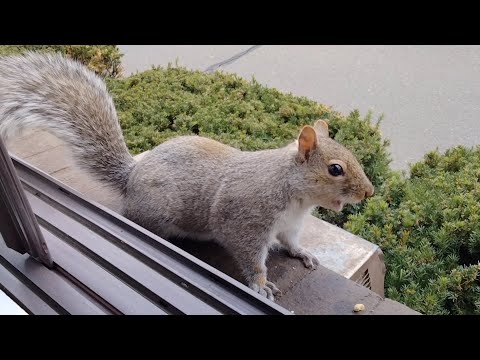
Sometimes you’ll come across a squirrel that looks weak, hurt, or just off. Watch for obvious physical problems, strange behaviors, and try to figure out what might be going on so you can decide if the animal needs help.
Physical Symptoms
Watch the squirrel’s breathing and body closely. If you notice labored or really fast breathing, open-mouth gasping, or wheezing, that usually means serious trouble with its lungs or heart.
Check its gums and tongue. If they look pale or bluish, that signals poor blood flow or maybe even shock.
Look for wounds, bleeding, or broken limbs. Deep cuts, exposed bone, or lots of blood mean the squirrel needs help right away.
Check out its fur and skin. Matted fur, bald spots, or crusty sores could mean it has infections, mites, or squirrel pox.
Sometimes you’ll see tumors or weird lumps too.
Watch how it sits and moves. A dying squirrel might hunch over, go limp, or just lie there stretched out and not respond.
If you see seizures, tremors, or twitching it can’t control, that’s a real emergency.
Notice if it’s eating or drinking. If it refuses food and water, has sunken eyes, or if its skin stays pinched when you gently pull it, that means it’s probably dehydrated or very sick.
Behavioral Changes
Squirrels usually hide when they’re weak, but some behaviors stand out.
If the squirrel doesn’t run away when you get close, it’s probably too weak or confused to escape.
Look for confusion or weird walking, like circling, staggering, or dragging a leg. That could mean it has brain damage, a head injury, or poisoning.
Extreme tiredness is a big red flag. If it won’t climb, hop, or react to noise, it needs help.
Listen for changes in its sounds. If it’s chattering a lot, squeaking nonstop, or foaming at the mouth, that can come with rabies or intense pain.
If the squirrel keeps to itself, stops grooming, or scratches a lot, it might have parasites or a skin disease.
Common Causes of Squirrel Distress
Lots of things can make a squirrel sick or dying, and knowing the usual causes helps you act fast.
Trauma from cars, dogs, or falling can break bones, cause bleeding, and put the animal into shock.
Infections and parasites—like bacteria, viruses (think squirrel pox), or fungus—can cause sores, discharge from the eyes or nose, and weight loss. These get worse quickly if untreated.
Toxins and poisons can make a squirrel collapse, vomit, tremble, or have seizures. They often get exposed near rodent baits, pesticides, or bad food.
Problems with nutrition and dehydration can leave a squirrel weak for days. Young squirrels especially can die from being cold, not getting fed, or getting the wrong kind of milk.
Predator attacks and extreme stress might cause shock or internal injuries you can’t see. If you think it’s poisoning, a bad injury, or rabies, don’t touch the animal—call a wildlife professional.
For more tips on what to do, check out this practical guide for helping a found animal.
What to Do If You Find a Dying or Injured Squirrel

Try to stay calm and keep other people and pets away. Block the squirrel from traffic, predators, or bad weather while you figure out what to do.
Observing the Squirrel Safely
Keep several feet between you and the squirrel. Watch for breathing problems, bleeding, broken bones, or seizures, but don’t touch it.
If you have binoculars or can zoom in with your phone, use those to check for discharge from its eyes or nose, drooling, or if it just seems really tired.
Don’t try to feed it, give it water, or force medicine. An injured or scared squirrel might bite or scratch you.
If you need to move it out of immediate danger (like off a road or away from dogs), put on thick gloves and use a towel. Place it in a ventilated box lined with a soft towel to keep it warm and quiet.
If you see signs of rabies—aggression, stumbling, or foaming at the mouth—keep even farther away and call animal control or a wildlife expert right away. If you get bitten or scratched, wash the wound and see a doctor.
When to Contact a Wildlife Professional
Call a licensed wildlife rehabilitator or your local wildlife rescue if the squirrel is bleeding a lot, can’t stand, has a head injury, or is a cold, limp baby. Rehabilitators know how to check for internal injuries, give fluids, and feed them the right stuff.
Be ready to share details: where you found the squirrel, what it was doing, any injuries you noticed, and if it’s an adult or a baby.
If you can’t reach a rehabilitator, try animal control, a vet clinic that takes wildlife, or a wildlife helpline for advice.
If you find a baby squirrel or see a nest nearby, mention any babies so rescuers can check them too.
Don’t drive wildlife long distances unless you’re told to—follow the rehabilitator’s advice for timing and how to safely hand off the animal.
Wildlife Rehabilitation and Humane Euthanasia
A wildlife rehabilitator will check the squirrel, treat any wounds, and give it fluids. They’ll figure out if rehabilitation is possible.
The main goal is to get the squirrel back into the wild once it can climb, find food, and stay away from predators. Usually, they focus on pain control, cleaning wounds, keeping the animal warm, and limiting its movement.
If the squirrel’s injuries are too bad or it’s suffering with no hope of recovery, a wildlife professional or vet might have to perform humane euthanasia. They follow legal and ethical rules to make sure the animal doesn’t suffer more than necessary.
If someone recommends euthanasia, don’t hesitate to ask the rehabilitator why and what will happen to any babies.
If you need to transport the squirrel to a rehab center, use a secure, padded box. Keep it warm, and head straight there.
It’s a good idea to call ahead so they can be ready for you and limit how much the animal gets handled.


