
Have you ever watched a squirrel tumble from a tall tree, only to see it scamper away like nothing happened? It’s kind of wild, right? Here’s how they manage to pull off those crazy landings without getting hurt. Squirrels usually avoid serious injury because their small size, bushy tail, flexible body, and low terminal velocity slow and control their descent.

Let’s get into how a squirrel’s tail, loose skin, and strong limbs work like built-in brakes and parachutes. These little acrobats twist mid-air, land on their feet, and absorb impact in ways that bigger animals just can’t.
Why Squirrels Don’t Take Fall Damage

Squirrels survive high falls because their bodies slow their descent and spread out the impact. Their small mass, big surface area, and flexible limbs all work together to keep them safe.
Physics of Falling: Gravity and Air Resistance
Gravity pulls everything toward the ground at about 9.8 m/s². Your weight determines the force, but air pushes back too. For squirrels, air resistance quickly becomes a big deal compared to how much they weigh.
A squirrel’s fur and tail add drag, which slows them down. That drag means they stop speeding up after just a few meters. Their tail acts like a furry parachute, increasing surface area and softening the landing.
Squirrels change their posture while they’re falling. They spread out their limbs and flare their tail to catch more air. That move slows them down and lowers the energy they hit the ground with.
Terminal Velocity and Body Structure
Terminal velocity happens when gravity’s pull matches the air’s push. For squirrels, this speed is much lower than it is for humans because they’re lighter and have more surface area for their size.
With a lower terminal velocity, there’s less energy to deal with during impact. Squirrels have flexible spines and joints that bend and soak up shock when they land.
The tail and loose skin help spread out the force instead of letting it hit in one spot. That way, no single bone or joint takes the brunt, and the squirrel can just run off, totally fine.
Role of Size and Mass in Impact Survival
Mass decides how much force you feel at a certain speed. A grey squirrel weighing just 300–600 grams carries way less momentum than a human, even if they’re moving at the same speed. Less momentum means less force to handle.
Small animals like squirrels hit their top falling speed really fast—sometimes in three seconds or less. So, even if they fall from higher up, they don’t hit the ground much faster.
Their body proportions help too. Squirrels have a high surface-area-to-mass ratio, which adds more air drag and lowers the impact. Their quick reflexes make those falls even less risky.
Unique Squirrel Adaptations That Prevent Injuries
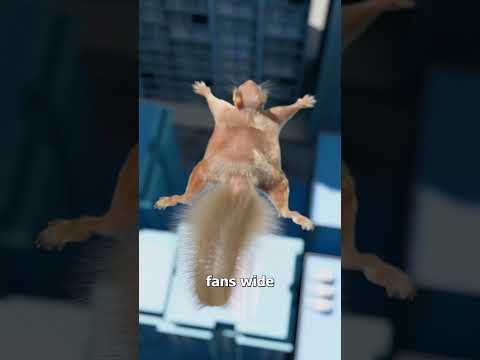
Squirrels use their shape, movement, and anatomy to slow down and spread out the impact when they fall. All these features work together, so a fall that could hurt a bigger animal barely bothers a squirrel.
Tail as a Parachute and Balancing Tool
When a squirrel drops, its bushy tail turns into an air brake. You can almost picture the tail fanned out, catching the air and slowing things down. That extra fluff lowers their terminal velocity and gives them more time to get ready to land.
The tail works as a counterweight too. As the squirrel spins, the tail shifts to balance things out and steer the body, making sure the feet point down. You’ll spot squirrels using their tail for balance when they leap between branches or sprint along wires—the same trick helps during a fall.
Little details matter: where the tail is can change drag and rotation in an instant. That lets them fix their posture mid-air and land on their feet.
Reflexes and Body Position During a Fall
Squirrels have a crazy-fast reflex that flips them feet-first in mid-air. You’ll see them splay out their limbs and flatten their bodies to catch more air. That move adds drag and keeps them steady as they fall.
Their legs reach out, and they bend their back legs right before landing to cushion the blow. These muscle moves happen super quickly—almost automatic.
Squirrels use their eyes and sense of balance to figure out which way is down. They make tiny adjustments mid-fall, so you almost never see them crash-landing or rolling uncontrollably.
Flexible Skeleton and Bone Density
Squirrels have bones that are lighter and more flexible than those in bigger mammals. You can actually feel the difference—when they hit the ground, their limbs and spine bend more, spreading out the landing’s force over more tissue and joints.
Because squirrels have low bone density and a high surface-area-to-mass ratio, they don’t take as much force per square inch when they fall. So, they’re much less likely to break a bone from a fall that would seriously injure a heavier animal.
Their joints and muscle attachments do even more. These parts work like springs. When a squirrel lands, its muscles soak up the energy and then bounce it back, so the animal can recover fast and dash away.


