
Chipmunks and rabies rarely go together. If you are wondering if chipmunks have rabies, the main thing to know is that it is very uncommon.
A chipmunk bite still deserves quick care. The rabies risk is very low compared with bites from bats, raccoons, skunks, or foxes.
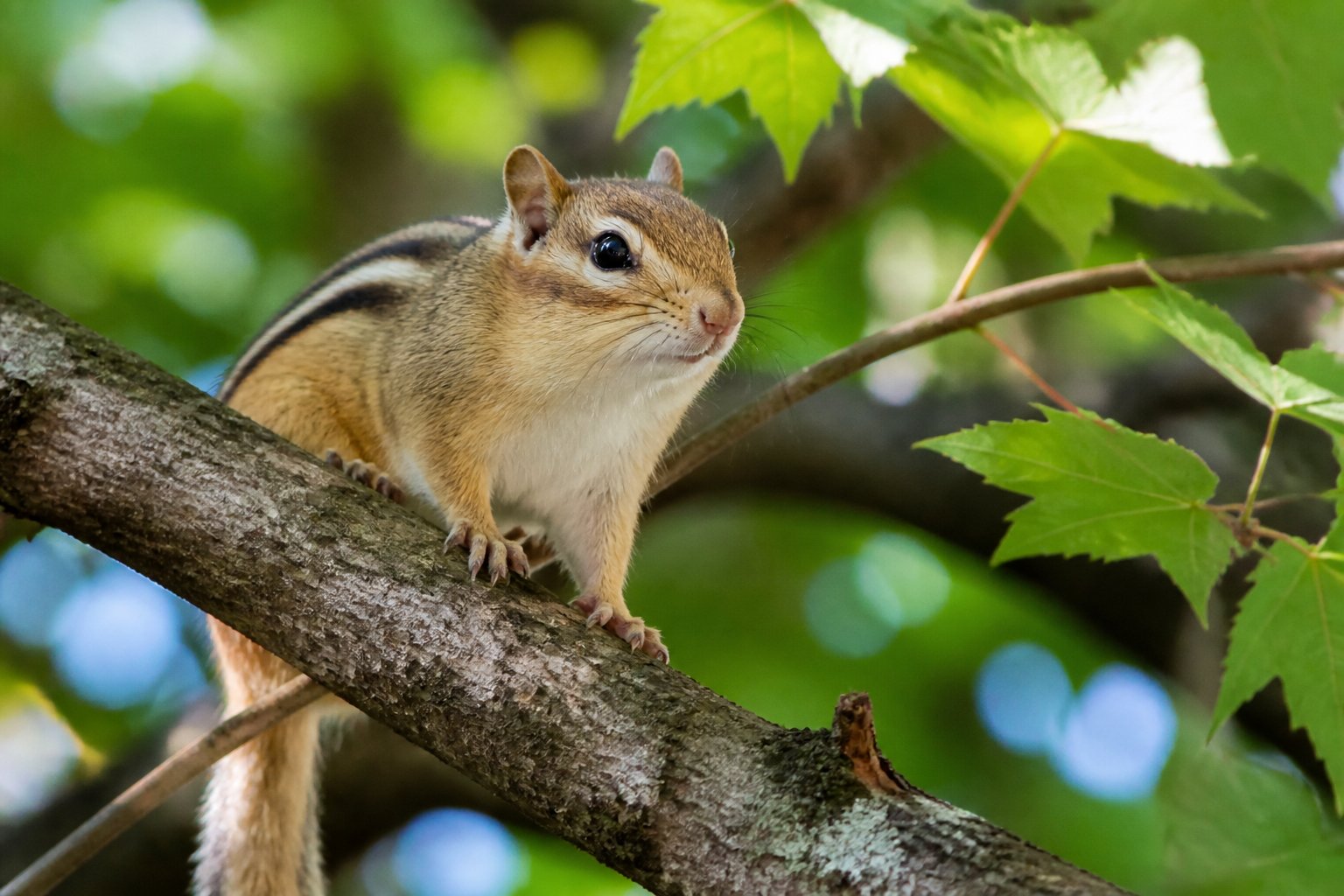
If you notice a chipmunk near your yard or hiking trail, you usually do not need to panic. Rabies in chipmunks is uncommon, and most chipmunks behave normally even when they are active around people.
How Real The Rabies Risk Is
The rabies risk from chipmunks is very low, especially compared to animals that often spread the virus. Infected animals usually transmit rabies through saliva, most often through a bite.
Small rodents are rarely part of that chain. According to Do Chipmunks Carry Rabies? Risks, Bites, and Key Facts, chipmunks almost never carry rabies.
Why Small Rodents Rarely Spread Rabies
Small rodents like chipmunks, squirrels, and mice are not common rabies hosts. Larger rabid animals usually kill them before they can pass the virus, and their contact patterns do not keep rabies moving through their populations.
How Chipmunks Compare With Common Rabies Carriers
Bats, raccoons, skunks, foxes, and unvaccinated dogs raise more concern for rabies. Those animals account for most human exposure in the United States.
Chipmunks are at the far low-risk end of the list. Seeing a chipmunk alone is not a reason to worry.
How Rabies Transmission Usually Happens
Rabies transmission usually requires infected saliva to enter the body through a bite, scratch, or contact with the eyes, mouth, or open skin. You cannot get rabies from simply seeing a chipmunk nearby, or from droppings or fur.
Signs That Make A Chipmunk More Concerning
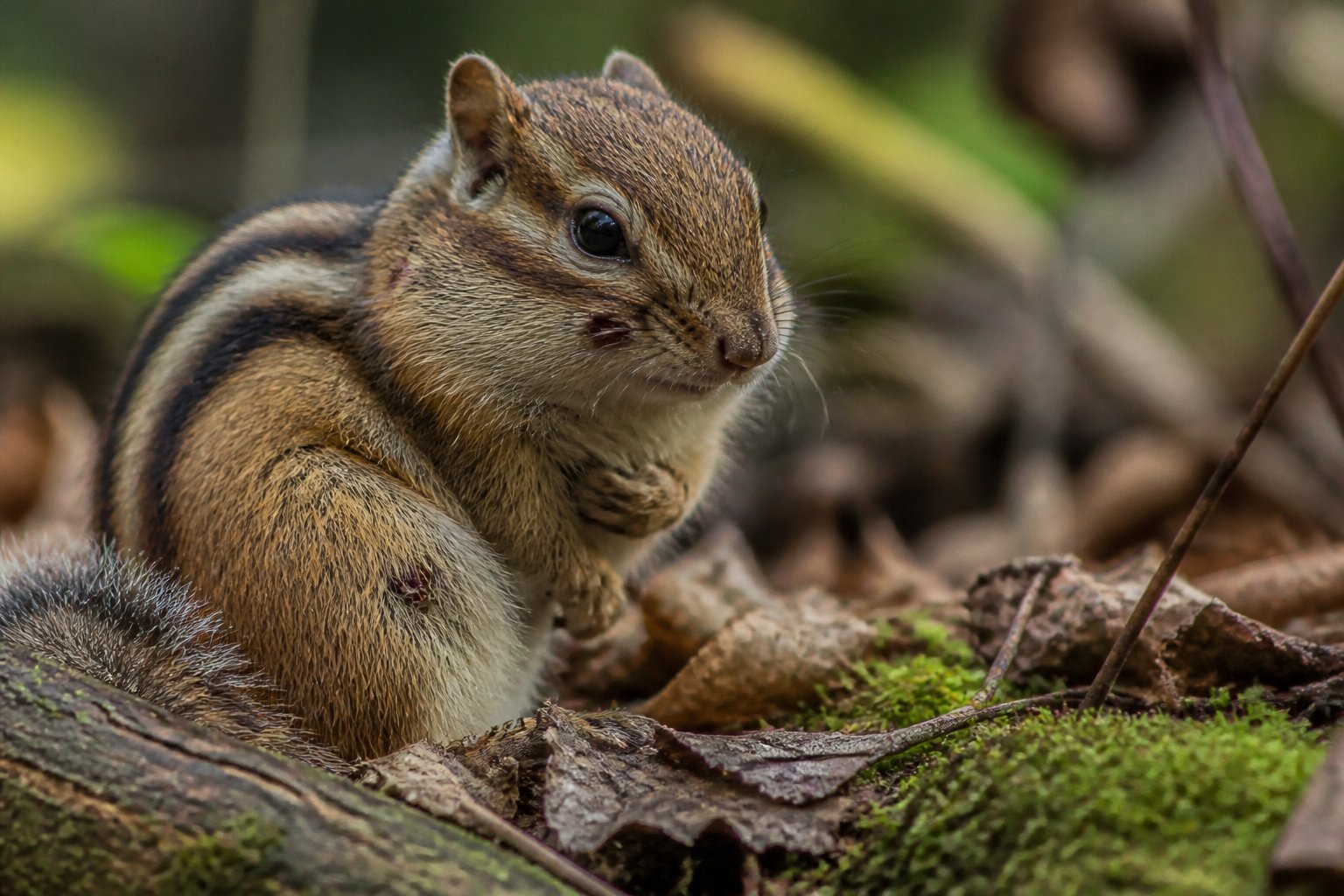
A healthy chipmunk is usually fast, alert, and quick to flee. If an animal seems unusually fearless, weak, or disoriented, you should be more cautious.
Rabies Symptoms In Chipmunks
Possible rabies symptoms in chipmunks include unusual aggression, stumbling, paralysis, seizures, drooling, or sudden loss of coordination. These signs are rare, and a sick chipmunk may have another illness or injury, so avoid guessing.
Normal Chipmunk Behavior Vs. Unusual Behavior
Normal chipmunk behavior is skittish, brief, and reactive. Unusual behavior includes daytime staggering, repeated failure to escape, twitching, or approaching people without fear.
When To Keep Your Distance And Call Local Officials
Keep your distance if a chipmunk looks sick, cannot move well, or acts strangely aggressive. If it bites someone or seems clearly ill, contact local animal control or your local health department so they can decide what to do next.
What To Do After A Chipmunk Bite
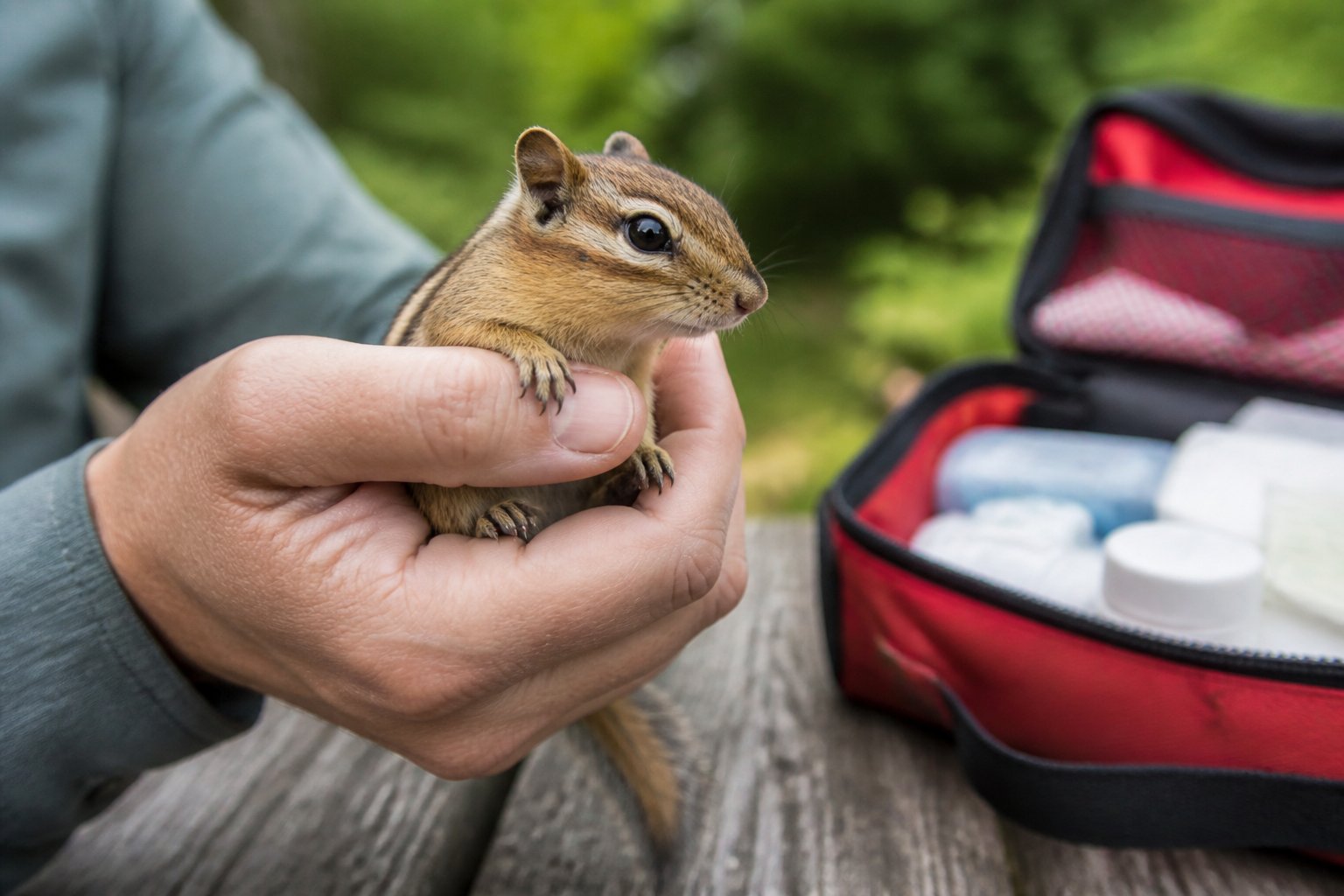
A chipmunk bite is more likely to cause a skin infection than rabies. You should still treat it seriously.
Quick cleaning and prompt medical advice can lower your risk of complications.
Clean The Wound Right Away
Wash the chipmunk bite with soap and running water for at least 10 to 15 minutes. Apply gentle pressure with clean gauze if it is bleeding, then cover it with a clean bandage.
When To Seek Medical Care
Seek medical care soon if the bite breaks the skin, is deep, keeps bleeding, or shows swelling, redness, or pus. You should also get checked if you have not had a tetanus shot recently or if the bite is on your face, hand, or near a joint.
When Rabies Post-Exposure Prophylaxis May Be Considered
You usually do not need rabies post-exposure prophylaxis after a typical chipmunk bite, because chipmunks almost never carry rabies.
A clinician or local health official may consider post-exposure prophylaxis, including rabies immune globulin, if the chipmunk acted very unusually or if rabies is suspected in the area.
If the exposure details are unclear, medical professionals may also consider prophylaxis.
If a chipmunk bites you, wash the wound, report the bite, and get medical guidance right away.


