
Worried about running into coyotes? Maybe you’re wondering if bear spray could actually help.
Bear spray does work on coyotes and can be an effective deterrent in dangerous situations. It’s meant to stop aggressive animals by causing quick, temporary discomfort, so you’ve got a chance to get away.
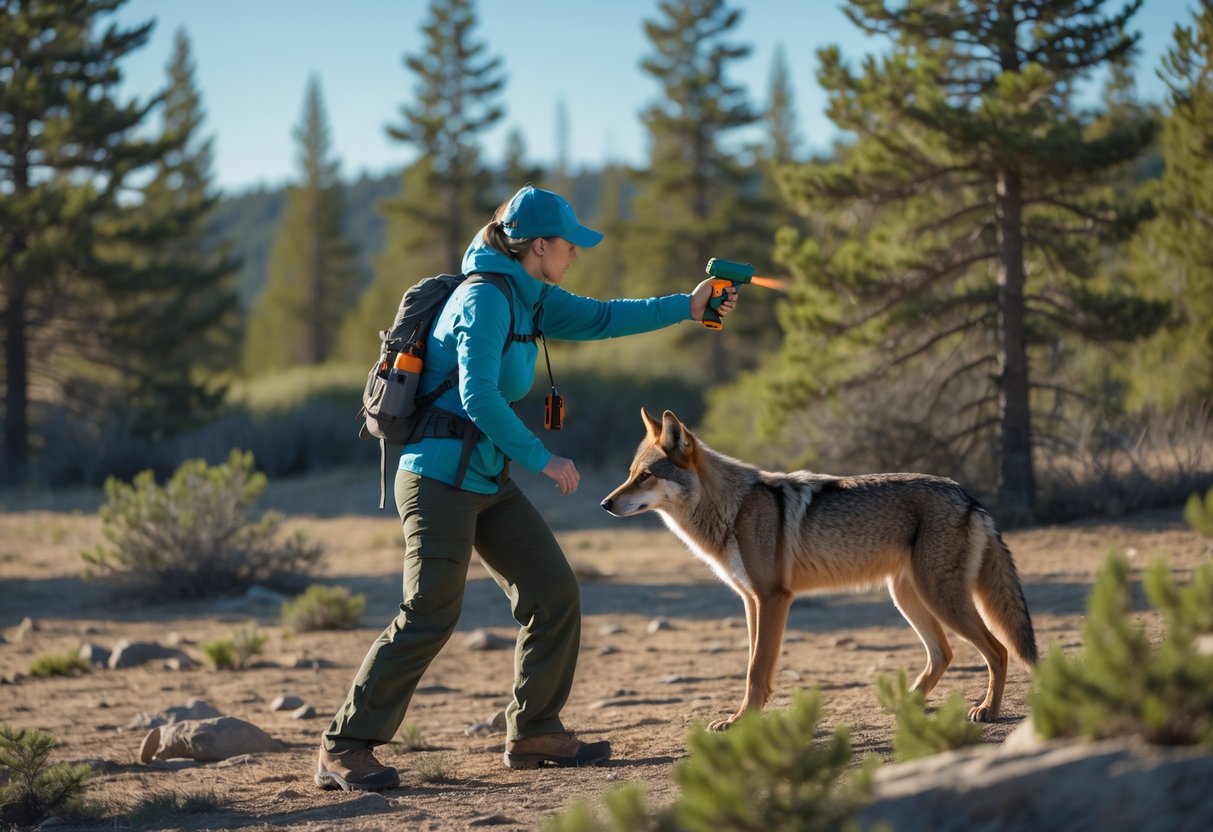
Coyotes might be smaller than bears, but they still react to pepper-based sprays like bear spray. If you walk your dog or hike in coyote territory, carrying bear spray might give you a little extra peace of mind.
Knowing how to use it really matters. That’s what makes the difference if you ever need it.
You might also want to check out other ways to stay safe and keep your pets out of trouble with coyotes. This article breaks down how bear spray works on coyotes and what else you can do to protect yourself and your loved ones.
Effectiveness of Bear Spray on Coyotes
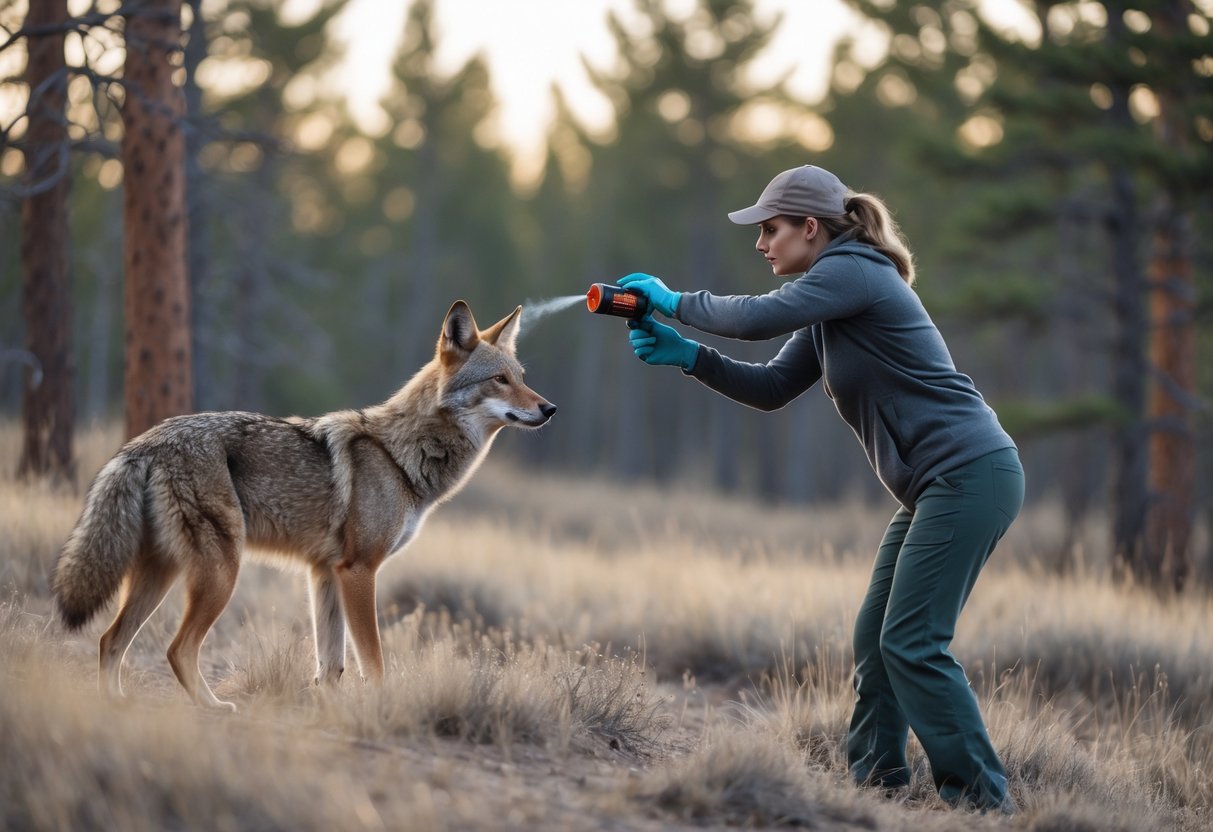
Bear spray can stop coyotes by irritating their eyes and respiratory system. The formula is strong—designed for big mammals—so it’s not just for bears.
How well it works? That depends on how you use it and what’s happening around you.
How Bear Spray Repels Coyotes
Bear spray contains capsaicin, which is the spicy stuff from chili peppers. When you spray it near a coyote’s face, the capsaicin burns their eyes and nose, making them cough and tear up.
The spray forms a cloud about 10–15 feet wide. That gives you some distance and a real shot at defending yourself or your dog.
Coyotes, like wolves and deer, feel the sting. Most of the time, bear spray stops coyotes before things get out of hand.
Strength and Ingredients Compared to Pepper Spray
Bear spray packs more capsaicin than regular pepper spray—usually around 1–2%. That’s stronger than most sprays made for people.
Some sprays made just for dogs or coyotes have lower strength or different chemicals, which might be easier on pets. But bear spray’s big cloud and high capsaicin level make it more effective when a coyote charges.
Factors Influencing Success Against Coyotes
How far you are from the coyote really matters. Bear spray works best at about 10–15 feet, before the animal gets too close.
Wind can mess things up, so try to spray with the wind at your back. If you spray into the wind, you might get a face full yourself—not fun.
The coyote’s mood matters, too. A charging coyote is more likely to turn tail after a blast of spray than one that’s just curious.
Always keep your dog close. Use bear spray quickly if a coyote acts aggressive.
Using it right gives you the best shot at a safe outcome.
If you want more details, check out how bear spray works on a variety of mammals including coyotes.
How to Use Bear Spray and Other Coyote Deterrents
Getting the hang of bear spray and other deterrents is key to staying safe around coyotes. You’ve got to act fast, keep your cool, and know when to use what.
That’s how you protect yourself, your pets, and your property—without going overboard.
Proper Technique for Deploying Bear Spray
First thing—pop off the safety clip from your bear spray. Use your thumb in front of the curled lip as you pull it off so you don’t accidentally spray yourself.
Hold the can firmly, both hands if you can. Aim a bit downward at the coyote’s face, usually around waist height.
Spray in short bursts—three to four seconds—when the animal’s 20 to 30 feet away. Don’t spray into the wind, or you’ll regret it.
After spraying, back away slowly. Don’t run.
If the coyote keeps coming, hit it with another burst.
Practice with an inert can before you actually need it. Seriously, it helps you get a feel for the distance and speed.
Important Safety Tips for Encounters
Always keep your bear spray somewhere easy to grab—like your hip or jacket pocket.
Don’t bury it in your backpack. That’ll just slow you down.
Remember, bear spray is your last line of defense. Make noise first—clap or shout—to let coyotes know you’re around.
Never turn your back or run. Quick moves can trigger a chase.
Keep your eyes on the coyote as you back away.
If you carry pepper spray for personal defense, know that it’s stronger than bear spray, but bear spray covers a bigger area. Pick whatever works best for you and your situation.
Comparison of Deterrents: Air Horns, Lights, and More
Bear spray stings the animal’s eyes and nose, so it usually leaves in a hurry. It works well, but you have to aim carefully.
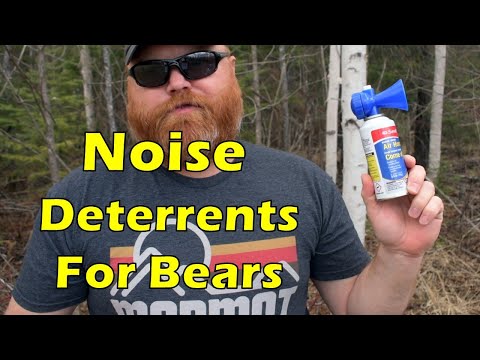
Air horns make loud, sudden noises that can startle coyotes and send them running. You can grab a small, portable one for quick use.
Flashlights or strobe lights can disorient animals at night. If you shine a bright light toward a coyote, it might just turn and leave.
Some folks like to mix things up and use more than one tool. You might blast an air horn or flash a light first, then go to bear spray if the coyote keeps coming.
Pick the deterrent that feels right for you and fits the situation. Try practicing with your tools, just so you’re not fumbling if you actually run into a coyote.
For more about the differences between pepper spray and bear spray, check out Gear Review: The Differences Between Bear Spray vs Dog Coyote Spray.


